Overview of Motorcycle Braking Systems
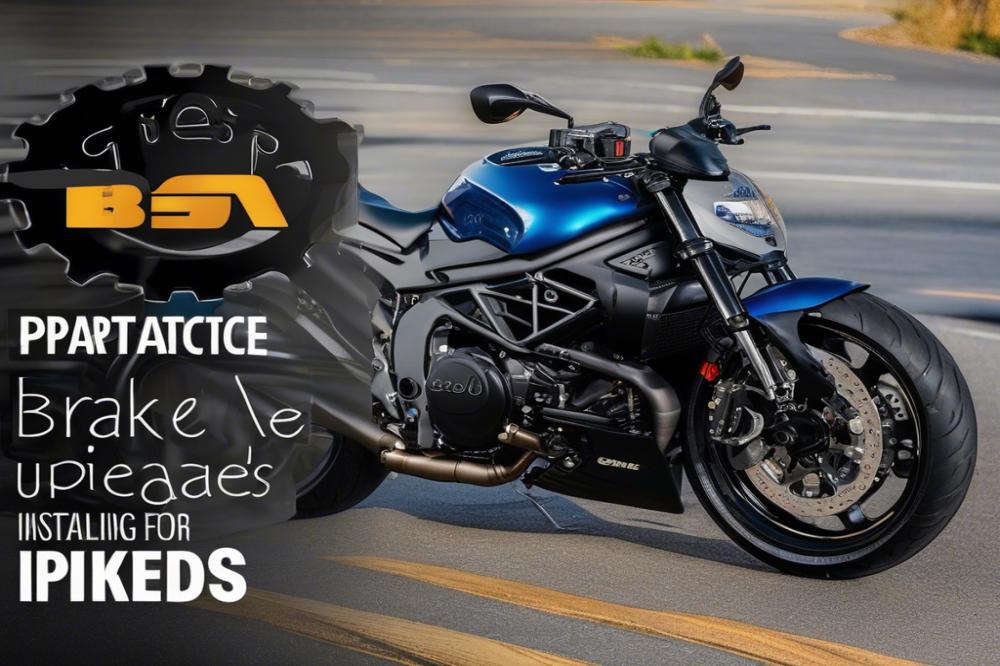
The braking system of a motorcycle is one of its most critical components, playing a pivotal role in the overall safety and performance of the bike. Unlike automobiles, which often feature multiple braking systems per wheel, motorcycles typically have disc brakes at each end, connected and operated through a network of hydraulics. This streamlined design allows riders to achieve impressive stopping power, but it also imposes a heightened responsibility on the rider to maintain and upgrade these systems thoughtfully.
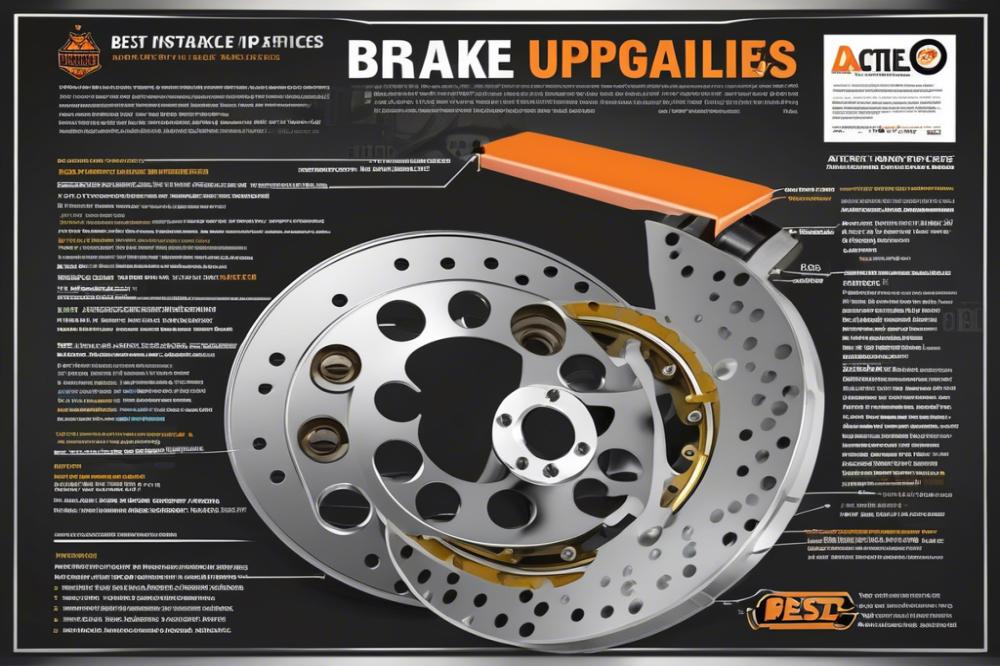
When discussing motorcycle brakes, it’s essential to delve into the nuances of brake rotors. These circular components are not just simple discs; they are sophisticated pieces of engineering that influence how well a motorcycle stops. Composed often of cast iron or carbon composite, they come in various designs, including slotted and drilled styles. Each variant contributes uniquely to heat dissipation and performance during spirited rides or grueling conditions.
Importance of Brake Rotor Upgrades
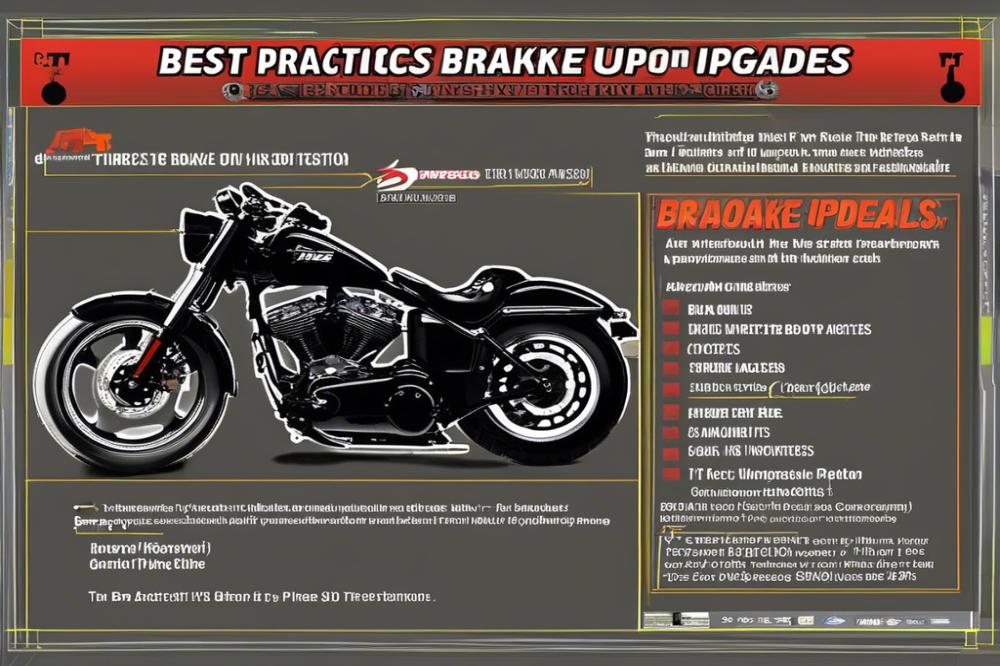
Considering the various contributions to motorcycle performance, one might wonder why brake rotor upgrades are essential. Well, the reality is straightforward: brakes wear down over time; they’re subjected to relentless friction and temperature changes. As components age or become less effective, the rider’s safety can hang in the balance. The benefits of upgrading become apparent as enthusiasts discover enhancements such as shorter stopping distances and improved modulation—your ability to deliver nuanced pressure to the lever.
Vicissitudes in riding styles also play a role. For those who embark on track days or high-performance applications, the need for superior stopping power translates into a life-saving measure. Conversely, casual riders may simply seek to customize their bike upgrades, adding aesthetics along with functionality. Thankfully, the market offers plenty of customization options, allowing every biker to find the right fit for their ride and riding style.
Purpose of the Article
This article aims to serve as a comprehensive guide for riders interested in navigating the world of brake rotor upgrades with confidence. We’ll delve into best practices, highlight specific considerations for various types of motorcycles, and offer valuable tips to ensure successful installations. To spice things up, expect a sprinkling of anecdotes and humor along the way!
Riding should always feel exhilarating, but even the most seasoned bikers can learn something new about effectively upgrading their machines. Whether you’re a novice looking to enhance your bike or a seasoned enthusiast investigating fine-tuning, we’ll cover it all. And just as motorcycle maintenance is critical, proper handling of brake rotors turns out to be a vital aspect of motorcycle care—think of it as pivotal as knowing How to Maintain Clip-On Handlebars.
So, strap in as we embark on this journey together. Remember, knowledge is power, and TRUE enthusiasts dare to venture beyond surface-level upgrades to enrich their riding experience.
Understanding Brake Rotors
Definition and Function of Brake Rotors
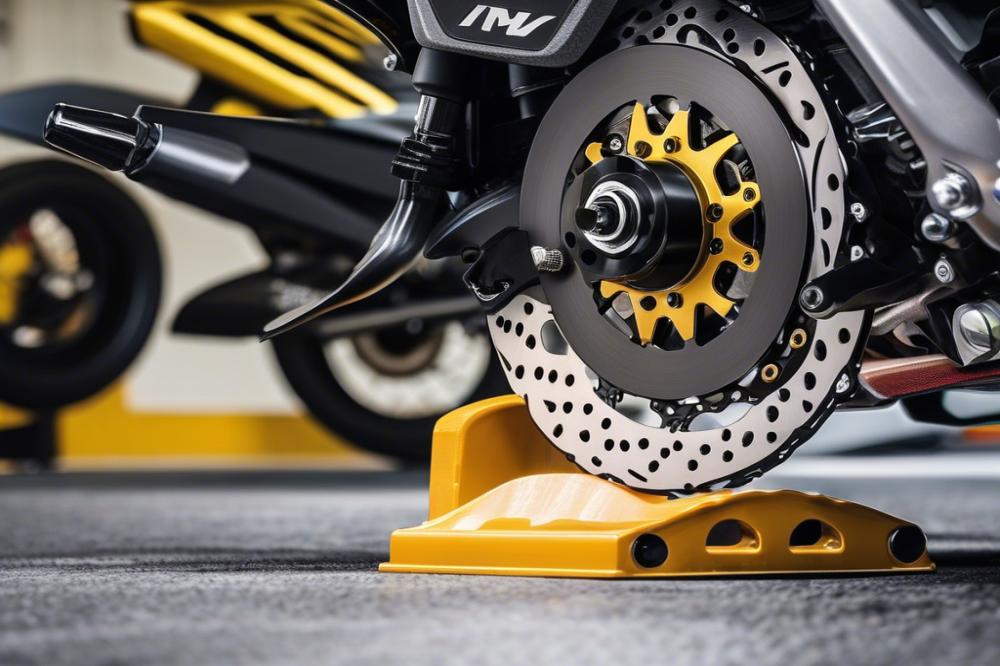
Brake rotors, often overlooked, play a crucial role in a motorcycle’s stopping power. These metal discs are mounted to the wheel hub and provide a surface for the brake pads to clamp down onto. When you squeeze the brake lever, hydraulic force pushes the pads against the rotors, converting kinetic energy into heat and slowing your motorcycle. Without reliable rotors, stopping distances can increase dramatically, endangering rider safety.
Types of Brake Rotors
Not all rotors are created equal. Solid rotors are often found on cruisers and lightweight motorcycles. They provide reliable performance but may be less effective under extreme conditions. Vented rotors feature internal cooling channels, allowing for better heat dissipation. This design reduces the risk of brake fade, which can be a game-changer during a long descent.
Then, we have slotted and drilled rotors. Slotted rotors come with grooves that help expel gases and debris during braking. The result? Improved contact and enhanced performance, especially in wet conditions. Drilled rotors, on the other hand, have holes that allow for even more airflow. This feature not only aids in cooling but also reduces weight, a significant plus for riders looking to shed pounds from their bike.
Role in Overall Motorcycle Performance
When considering bike upgrades, rotors are often the unsung heroes of motorcycle performance. Improved braking efficiency enhances handling and cornering capabilities. Riders who prioritize performance will invariably find brake rotor upgrades beneficial. A motorcycle equipped with advanced rotors handles better, provides more control, and inspires confidence. Furthermore, these components can be customized to suit the rider’s style—whether that’s street racing or leisurely scenic rides.
Investing in high-quality rotors can also boost longevity and reduce maintenance needs. Who wouldn’t want to ride with the assurance that their braking system is top-notch? Lightweight materials and precision engineering contribute to both performance and aesthetics. As riders, we all appreciate the unique feel when upgrading brake components. So, when it’s time to hit the road, you’ll know your bike is ready to deliver its best.
Benefits of Brake Rotor Upgrades
Upgrading your brake rotors can significantly enhance braking performance. When the stopping power is increased, every ride becomes safer. Enhanced grip on the brake pads allows for more reliable stoppage, especially in critical moments. As any rider will tell you, milliseconds matter when it comes to avoiding mishaps.
Another important aspect is improved heat dissipation. With greater surface area and advanced designs, upgraded rotors handle heat better during intense riding. Consider this: during a long ride, the heat generated can make standard rotors fade, leading to a disappointing brake response. High-quality rotors help maintain consistent performance, which is a game-changer.
Increased durability and lifespan set premium brake rotors apart from standard ones. Riders investing in these upgrades often benefit from materials that withstand the rigors of riding. When roads get tough, these parts hold up well, allowing for confident bike upgrades without the constant concern of wear and tear. Over time, this can translate into financial savings, as you won’t need to replace them as frequently.
Finally, better modulation and feel make a significant difference. Riders appreciate the ability to control braking force with finesse, which can sometimes feel like a symphony of precision. A well-upgraded system enables smoother transitions, providing instant feedback to the rider. It’s akin to feeling the pulse of your motorcycle performance intimately, enhancing the overall riding experience.
Choosing the Right Brake Rotor Upgrade
Assessing your riding style can significantly influence the selection of brake rotor upgrades. If you’re tearing through mountain passes or hitting the track, your needs will differ vastly from someone cruising on back roads. Consider whether your mileage consists of aggressive cornering or leisurely jaunts. Different riding habits demand distinct rotor characteristics. Braking performance is critical in varying conditions and terrains.
Compatibility with your existing brake system is paramount. Not all brake rotors play nice with every setup. Verify the measurements of your current components. The rotor diameter, bolt pattern, and thickness must align perfectly to avoid headaches during installation. Pay attention to your bike’s specifications. A mismatch could lead to disastrous results.
When it comes to comparing materials, each option offers a range of advantages. Cast iron rotors are commonly used and are renowned for their durability, making them a go-to for most stock applications. Carbon composite provides a unique edge in weight savings and heat dissipation, appealing to performance enthusiasts seeking motorcycle performance. Stainless steel, often found in high-end setups, can resist corrosion while offering efficient braking under varied conditions. Analyze how each material aligns with your riding intentions.
Understanding manufacturer specifications is crucial before making a purchase. Always consult the documentation provided with the bike. Recommendations from the manufacturer can guide decisions, particularly for high-performance applications. Many manufacturers design rotors uniquely suited for specific models. Observing these recommendations often leads to better performance and reliability. It’s not merely a guideline; it’s about enhancing your entire riding experience.
Bike upgrades frequently revolve around improving control and safety. Therefore, the right brake rotor can deliver substantial benefits. Increased stopping power and reduced fade can breathe new life into your ride. Modifying components can provide impressive results if thoroughly researched. Customization options exist beyond mere aesthetics; performance tweaks can reshape how your motorcycle interacts with the road.
Tools and Equipment Needed for Installation
Essential Tools for Brake Rotor Installation
When gearing up for a brake rotor upgrade, a few must-have tools are essential. A sturdy jack will elevate your motorcycle, providing the necessary clearance. Don’t forget a set of jack stands; safety is paramount. Wrenches and sockets in various sizes will tackle most bolts with ease. Including a torque wrench is advisable, as it ensures you achieve the proper tightness during installation. A ratchet and extensions can make reaching those hard-to-access nuts less of a hassle.
In addition to the tools mentioned, an impact wrench can be a lifesaver. This equipment makes quick work of stubborn bolts, reducing the chance of stripping heads. A brake cleaner is important too; maintaining cleanliness helps improve performance after you’ve finished installing the new rotors. Lastly, a good set of gloves can prove invaluable, protecting your hands from grime and sharp edges.
Safety Gear and Precautions
Prioritize safety when diving into any mechanical task. Wearing safety glasses protects your eyes from debris that may fly about once you start loosening stubborn screws. Gloves are also vital; you never know when a sharp edge might decide to make itself known. Long sleeves will shield your arms, particularly if you’re working with heated components or jagged metal.
Take a moment to ensure your work area is clear of distractions. An organized setup can prevent accidents and help keep your focus where it should be. If you’re working in a garage, put away any stray tools or equipment. Avoid clutter; it can be like a black hole for concentration, sucking it right away.
Importance of Having a Clean Workspace
Having a clean workspace cannot be overstated. A tidy environment fosters a clear mind, which is crucial when performing intricate tasks like installing new brake rotors. Grease, dirt, or even small hardware can wreak havoc if they end up in the wrong place.
An uncluttered bench allows you to easily grab tools as you need them. It also helps you avoid misplacing essential parts. Picture this: you’re halfway through the job and suddenly can’t find that crucial bolt. Frustration builds, stress levels soar, and suddenly that motorcycle performance upgrade feels miles away.
Taking a few moments to clear your space before starting can save time down the line. Plus, you’ll impress friends or fellow riders with your commitment to orderliness and precision. From safety gear to a clean area, every little detail counts in ensuring that your bike upgrades go off without a hitch.
Step-by-Step Installation Guide
Preparing the Motorcycle for Installation
Before diving into the exciting part of installing those shiny new brake rotors, it’s crucial to prepare your motorcycle. Start by gathering all necessary tools. You’ll need a socket set, torque wrench, and possibly some brake cleaner. Check if you have enough lighting in your workspace; it can be frustrating to lose a nut in the shadows!
Next, elevate your bike securely using a stand. This ensures stability while you work. Always engage the motorcycle’s parking lock to avoid any unexpected surprises. Adding a bit of extra precaution, put down a mat to catch any debris or dropped components. A clean workspace leads to clear thoughts — trust me!
Removing the Existing Brake Rotors
With a firm grip on your tools, locate the bolts securing the existing rotors. Usually, these are torqued pretty tight, so don’t be afraid to put some muscle into it. If they resist, a penetrating oil can work wonders. Allow it a moment to seep in; it’s like giving them a little encouragement.
Once the bolts are loose, remove them one by one. Keep an eye on how each component fits together; taking pictures can save you a headache later. Gently lift off the old rotors, and set them aside with care. They’ve served you well, but it’s time to upgrade for better motorcycle performance.
Installing the New Brake Rotors
The new rotors are your ticket to enhanced stopping power and style. Begin by aligning the new components with the hub. Make sure to match any directional indicators found on the rotor; nobody wants to install them backward! Position the rotor carefully and thread the bolts back through.
At this stage, do not tighten the bolts completely. Just snug them up enough to hold the rotor in place. After all bolts are in, use a torque wrench to tighten them. Adhere to the manufacturer’s specifications; this isn’t the time to improvise. A little finesse here leads to big benefits down the road.
Reassembling Braking Components
With the new rotors firmly in place, it’s now time to reattach any components you may have removed. This often includes the calipers and pads. These parts must also be in perfect harmony with the new rotors. Slide on the calipers and ensure they align correctly; a misalignment can lead to uneven wear.
Don’t forget to check the condition of your brake pads. If they are worn, consider replacing them too. This little bit of foresight could save you headaches later on and enhance the performance of your bike upgrades.
Conducting Initial Tests
After reassembling everything, it’s essential to conduct initial tests before hitting the road. Start by gently pumping the brakes to ensure everything seats properly. With a new set of rotors, it may take a few cycles to bed in perfectly.
Once you feel confident that the brakes are responsive, take your motorcycle for a slow test ride. Pay attention to any unusual sounds or sensations. It’s like tuning into a new melody; you’ll know if something’s off. Enjoy the ride, keeping the brake rotor upgrades benefits in mind. Smooth stopping is just around the corner!
Troubleshooting Installation Issues
During the installation of brake rotor upgrades, various problems can arise. Misalignments are a common headache. Many enthusiasts discover that rotors may not sit flush against the caliper. This misalignment can lead to uneven braking and premature wear. Occasionally, the issue stems from components not being properly torqued. Loose bolts can create an unsettling experience, especially when stopping suddenly!
Strange noises are another sign that something isn’t right. If you’re hearing grinding or squeaking sounds, it’s time to investigate. Often, these noises indicate that the brake pads aren’t making proper contact. You might want to check if the pads have seated correctly in their slots. Adjusting or repositioning them can solve the problem.
To correct misalignments, start by double-checking the rotor’s placement. A thorough examination of the mounting hardware is beneficial as well. Inspect each component meticulously for any signs of wear or damage. Sometimes, a simple adjustment of the caliper positioning will remedy the situation. Having a buddy hold the brake lever while you tighten bolts can ensure things line up perfectly.
In terms of functionality issues, air trapped in the brake lines can significantly affect performance. If you experience a spongy feel in the brake lever, bleeding the brakes is essential. This process removes any air bubbles, restoring proper hydraulic pressure. It’s a straightforward procedure, but one that often trips up new installers.
Testing after completing the installation cannot be overstated. Several critical checks can determine the success of your efforts. Initially, perform a visual inspection to confirm that everything appears as it should. Next, take the bike for a quick spin in a safe area. Pay attention to how the brakes engage. Sudden engagement or an unusually low pedal feel calls for further attention.
Remember that brake rotor upgrades confer numerous benefits, enhancing motorcycle performance and rider confidence. Skipping the test ride phase is like cooking a gourmet meal and never tasting it. Don’t fall into that trap! Embrace the full experience of your bike upgrades by ensuring everything functions as intended before hitting the open road.
Maintenance for Upgraded Brake Rotors
Recommended Maintenance Practices
Regular checks are crucial for maintaining upgraded brake rotors. Carbon deposits can accumulate on the rotor surface, affecting its performance. Cleaning rotors periodically with appropriate brake cleaner ensures optimal functionality. Inspecting pads alongside rotors allows you to catch issues early. Additionally, periodic tightening of hardware reduces the chances of vibrations from loose components. Always adhere to the manufacturer’s guidelines regarding brake fluid levels and replacement schedules. A well-maintained brake system enhances motorcycle performance and extends component lifespan.
Signs of Wear and When to Replace Rotors
Keep an eye out for unusual sounds when braking. Squealing or grinding noises often indicate rotor wear. Another red flag includes noticeable vibrations through the brake lever—this can suggest warping. Also, check for significant grooves or discoloration on the rotor surface; these are not good signs. If you notice a thickness reduction beyond the minimum specification, it’s high time for a replacement. Riding habits and the environment can influence rotor wear, so remain vigilant.
How to Prolong the Lifespan of Brake Rotor Upgrades
First things first, avoid aggressive braking whenever possible. Smooth deceleration promotes even wear across the rotor face, minimizing hotspots. If you’re into customization options, consider selecting high-quality brake pads designed specifically for upgraded rotors. These can significantly enhance longevity. Remember to break in new components gradually to maximize effectiveness. Finally, regular maintenance checks can spot potential issues before they escalate into serious problems. Enjoy your bike upgrades fully by taking care of those rotors; they do the heavy lifting every time you hit the brakes.
Legal and Safety Considerations
Installing upgraded brake rotors is not merely a matter of want—it’s also a matter of law and safety. Ignoring local regulations can lead to serious consequences, including fines or warranty voids. Make sure to check what is permissible in your area regarding motorcycle modifications. Some jurisdictions have strict guidelines about vehicle performance upgrades, particularly when safety is concerned.
Navigating the world of warranties can be a maze. Upgrading components may affect your original warranty. Always read the fine print before proceeding with any motorcycle performance mods. Some manufacturers require that any bike upgrades be performed by certified professionals to maintain warranties. If you’re unsure, reach out directly for clarification. Understanding these rules can save you a headache later.
Considering professional installation has its perks. Trained mechanics possess the knowledge to match the right components with your motorcycle, ensuring everything is installed safely and correctly. They adhere to industry safety standards, which can translate to better performance on the road. Not all DIY enthusiasts have the skill set required for this task, and that can lead to complications.
However, if you’re confident in your mechanical skills and have access to the right tools, DIY installation might offer a satisfying challenge. It’s critical to follow the manufacturer’s guidelines stringently. Think of it as a recipe; miss a step, and you might end up with a dish nobody wants to eat. Measure twice and cut once, as the saying goes. Document your process, too. This practice can be invaluable if you encounter issues down the line.
Safety standards should be front of mind. Upgraded brakes can provide significant benefits like improved stopping power, but only if they’re properly installed. Skipping any steps in the installation process could jeopardize your safety—and let’s be honest, no one wants to end up in a sticky situation because of a bodged upgrade. Balancing the thrill of customization options with the reality of safety is essential for every rider.
Ultimately, finding the right balance between personal touch and professional expertise leads to peace of mind. Each motorcycle is a reflection of its owner; it’s an extension of the rider’s personality. Taking legal and safety considerations seriously ensures your experience is both enjoyable and secure.
Wrapping Up the Essential Upgrades
In summation, enhancing your motorcycle’s stopping power through upgraded brake rotors can profoundly impact safety and performance. The importance of this modification cannot be overstated; effective braking is crucial, especially for those who enjoy the thrilling freedom of riding. Much like the foundation of a house, the efficiency of your braking system ensures stability and reliability on two wheels.
Prioritizing safety while riding is not just a recommendation; it is, in fact, a responsibility. Many enthusiasts overlook the essential components that keep them grounded on the road. A simple upgrade can transform a basic braking experience into a responsive and controlled ride. As riders, understanding the dynamics of stopping can mean the difference between a close call and a minor mishap. Remember, every time you pull that lever, the ability to stop on a dime matters, especially when dodging unexpected obstacles—think of it as having your own superhero cape, but for motorcycles!
Aside from improved safety, upgrades often bring better heat dissipation and ventilation, allowing the system to perform optimally even under heavy use. When done right, this can lead to a more enjoyable and confident ride. However, the adventure of upgrading doesn’t stop at just rotors. Exploring Different Styles of Wide Foot Pegs, for instance, can enhance your overall riding experience. Stability and comfort play pivotal roles, and coupling them with superb braking can make any ride feel like gliding through an open highway.
Always remember that TRUE excellence in motorcycle enhancements comes from understanding not only your bike’s needs but also your own riding style and habits. Whether you’re weaving through city streets or taking long, winding mountain roads, your motorcycle’s braking system deserves attention. Investing time, effort, and resources into quality brake upgrades—as well as understanding the dynamics of your machine—can significantly elevate your riding pleasure.
In closing, take the plunge into the world of brake rotor improvements with both eyes open, armed with knowledge and enthusiasm. Riders everywhere should embrace the responsibility of ensuring both safety and performance. Happy riding, and may your journeys be punctuated with smooth stops and exhilarating experiences!