Exploring Off-Road Motorcycling
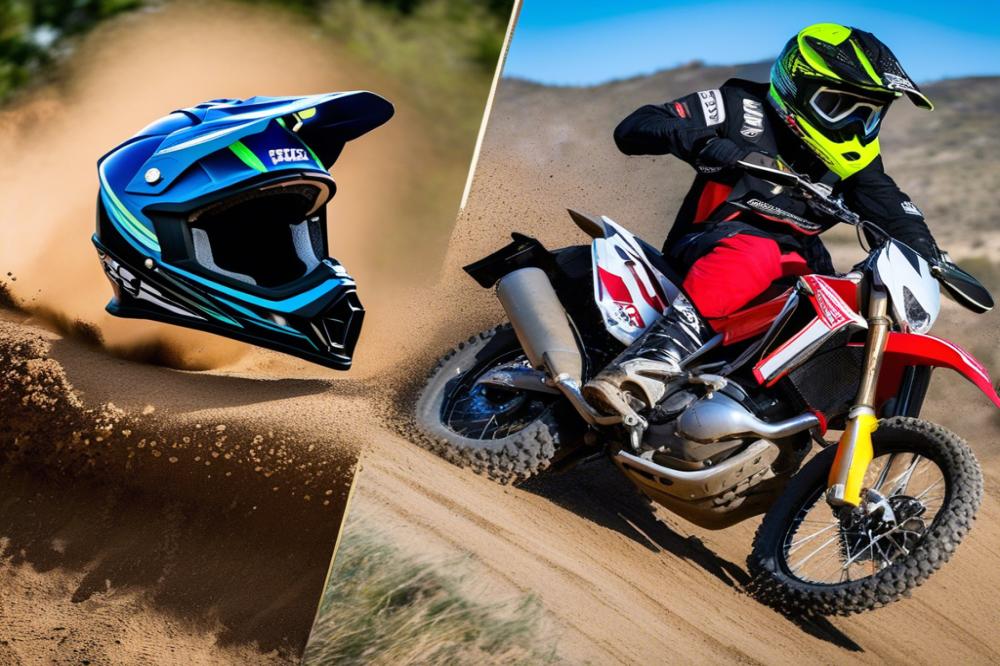
Off-road motorcycling is a thrilling pursuit that invites riders to navigate diverse terrains, from rocky trails to muddy paths. This exhilarating sport not only provides an escape into nature but also brings about a significant challenge that tests both skill and endurance. Riders are often at the mercy of the elements, making every ride a unique experience. The adrenaline rush is palpable, but with great excitement comes great responsibility.
The Significance of Safety Gear
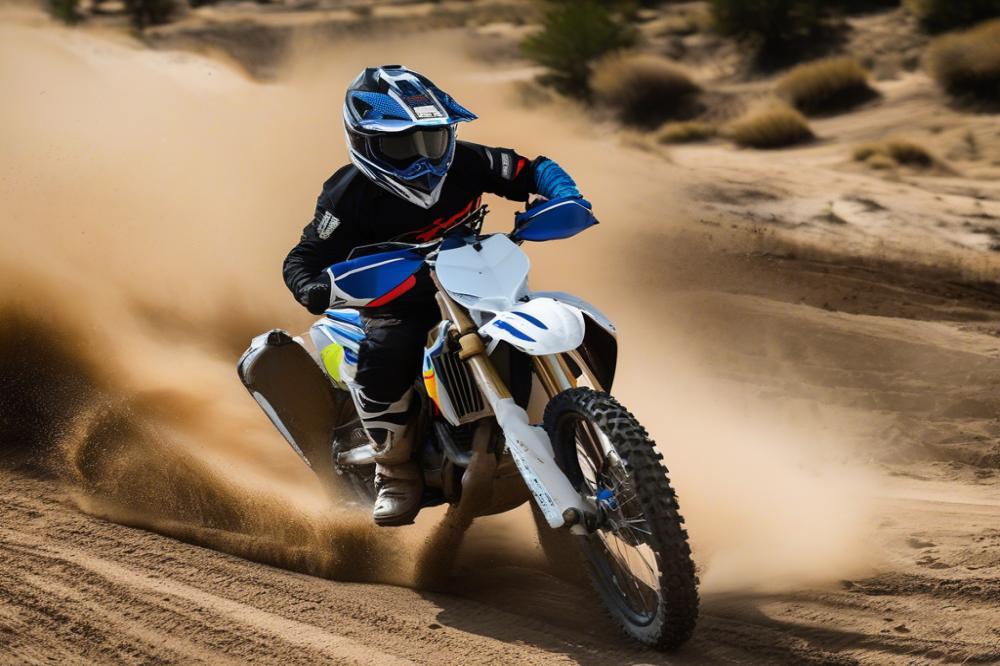
When it comes to motorcycle safety, one cannot overlook the importance of protective gear. It serves as the first line of defense against the unexpected spills that accompany off-roading. While the thrill of conquering wild trails can be enchanting, the reality of falls and accidents is just a heartbeat away. Therefore, choosing the right gear is essential. Helmets play an indispensable role in this equation, safeguarding the most precious asset a rider possesses—their head.
The Role of Helmets in Off-Road Riding
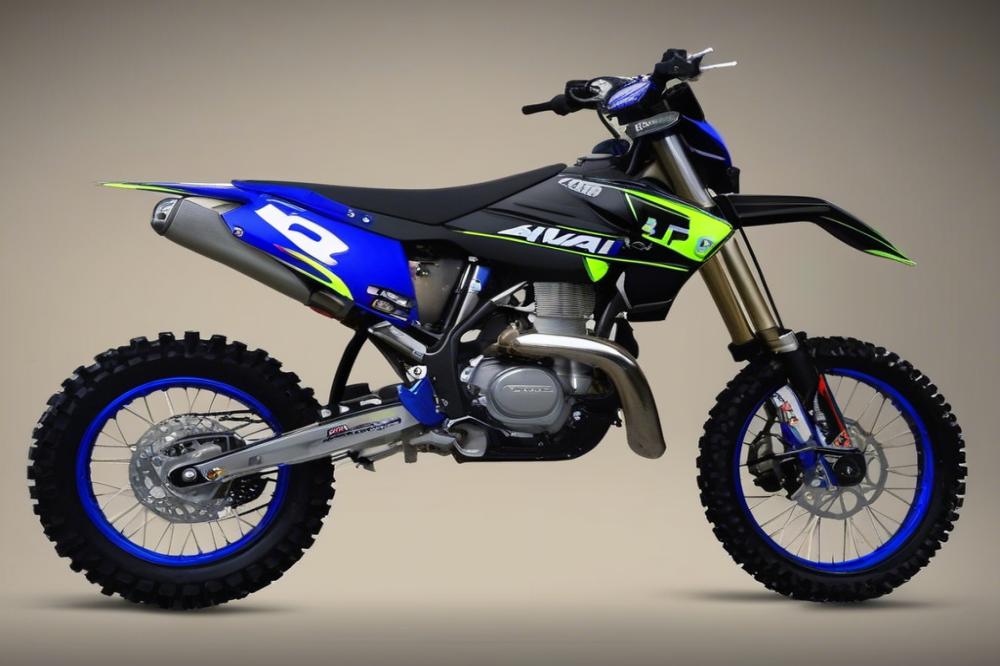
Rider protection, particularly through the use of helmets, significantly reduces the risk of serious injury. Off-road helmets provide not just comfort but also a crucial layer of safety, ensuring riders remain protected regardless of the challenges they face on the trail. Talks about the benefits of off-road helmets often highlight their design, which focuses on mitigating impacts and incorporating ventilation for those tough climbs. There’s a certain irony to the fact that while helmets shield against dust and debris, they also provide a sense of freedom; the freedom to push limits while knowing you’re prepared for whatever may come your way.
Imagine this scenario: you’re riding through a remote area, feeling the wind rush past. Suddenly, your front tire catches a hidden edge, sending you into an unexpected somersault. In that split second, a well-fitted helmet could make the difference between a minor bump and a major headache—literally. Thus, engaging in off-road biking without the proper helmet is akin to diving into deep water without a life jacket; it’s simply not wise.
In the world of motorcycle enthusiasts, safety is not just a checklist item; it’s a mindset. Just like in any adventure, being prepared only amplifies the fun. While conversations around gear might steer toward trendy riding apparel, let’s not forget that our noggins deserve the utmost protection too. We all want to look good, but style should never outshine safety. So, before you hit the trails, remember—your helmet is not just an accessory; it’s a lifeline. And while you’re at it, consider Exploring Different Types of Riding Gloves with Armor, as they too add to your protection when navigating those rugged routes.
Understanding Off-Road Helmets
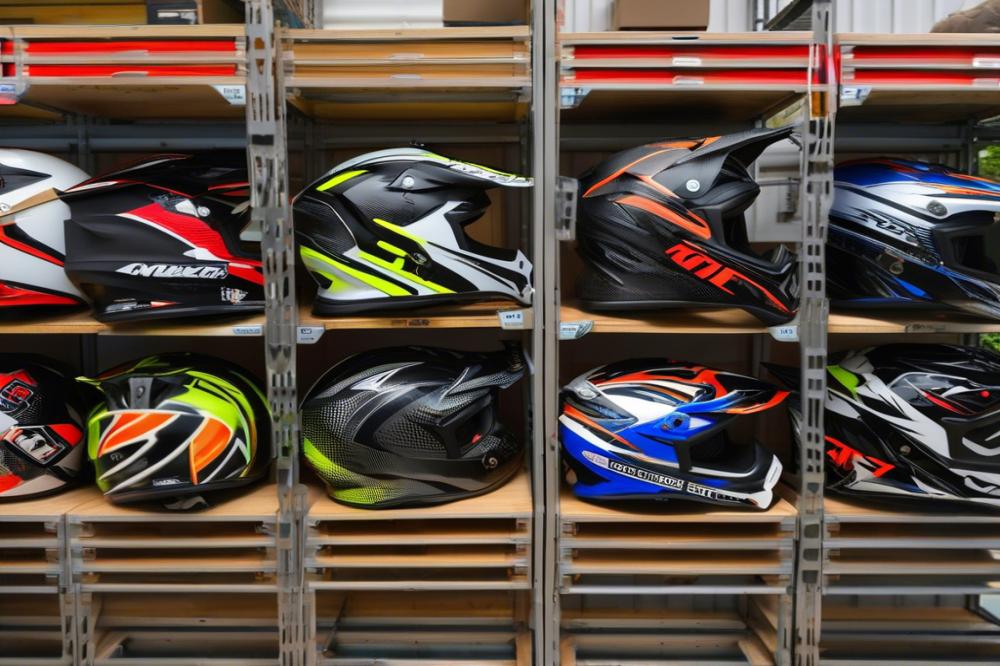
Definition and Purpose
Off-road helmets are designed specifically for riders who navigate rugged terrains. Their primary purpose is to offer enhanced protection against injuries, which can be quite serious in extreme riding situations. Think of it as a fortified guardian for your head, ready to take a hit from an unexpected fall or impact.
Differences from Street Helmets
While street helmets prioritize aerodynamic shapes and street-specific features, off-road helmets embrace a different philosophy. The designs include wider visors for enhanced visibility and ventilation to keep riders cool during strenuous activities. Such helmets often feature a more extended chin bar for added face protection. In contrast, motorcycle safety on the road typically involves different risks; hence, street models may not have the same rugged attributes.
Types of Off-Road Helmets
Several types exist within the realm of off-road helmets, each tailored to a specific riding style. Motocross helmets often dominate the scene, boasting an aggressive design and an emphasis on airflow. These are commonplace among those who race or tackle challenging obstacles. On the other hand, dual-sport helmets blend elements from both motocross and street helmets. They accommodate diverse riding conditions while maintaining rider comfort.
Adventure helmets also command attention. These models function as excellent protective gear for long-distance rides that may shift from highways to challenging backroads. Riders can appreciate a variety of options available, from lightweight materials to comfort-focused interiors.
No matter the type, rider protection should remain a priority. Selecting the right helmet can be the difference between a minor scare and a major injury. Choosing the right helmet is about fitting personal style with the utmost functionality. Understanding what categories exist allows riders to make informed decisions, crucial when gearing up for an off-road adventure.
Safety Standards and Certifications
Choosing a helmet for off-road riding demands careful consideration of safety standards. They act like the lighthouse guiding riders through the fog of uncertainty. Without proper certification, one might as well be wearing a colander on their head for protection. Safety should never be a secondary thought. It’s the backbone of motorcycle safety.
Importance of Safety Standards
Standards exist to establish a baseline for protective gear. They dictate how much impact a helmet can withstand. Riders should prioritize helmets that comply with these essential guidelines. After all, the battlefield out there can be relentless, and a sturdy helmet often means the difference between a minor bruise and serious injury.
Overview of Popular Certifications
Various certifications are recognized worldwide. The DOT (Department of Transportation) certification is essential in the United States. It guarantees that helmets meet federal safety standards. Meanwhile, ECE (Economic Commission for Europe) is a benchmark used in many countries. This certification reflects rigorous testing and is often preferred in Europe. Snell is another heavyweight in the world of safety. It advocates stricter testing protocols and promotes innovation in helmet design. Each certification holds its weight and tells a different story about the helmet’s capabilities.
Understanding the Impact of Certifications on Helmet Quality
Certifications significantly influence how a helmet performs under duress. The differences manifest in the materials used and their durability during accidents. For example, a helmet that has passed Snell testing might offer enhanced protection due to advanced design techniques. Riders often overlook the importance of these distinctions, yet they can save lives. Investing in certified helmets also correlates with the off-road helmets benefits. Investing in protective gear engineered to meet these standards ensures better rider protection.
The relationship between quality and safety certifications cannot be overstated. When purchasing headgear, the certifications should be part of the decision-making process. Rushing into a purchase can lead to regrettable choices down the road—literally. Prioritizing safety translates into smarter riding experiences and fewer hospital visits.
Helmet Features to Consider
Fit and Comfort
When selecting a helmet, achieving the right fit is crucial. A helmet that feels snug without being overly tight will enhance your riding experience. Comfort contributes significantly to concentration, especially during long rides. Remember, a proper fit can also aid in the helmet’s effectiveness in motorcycle safety.
Weight and Aerodynamics
Heavier helmets can lead to fatigue over time, particularly on rough terrain. Look for options that balance weight with durability. Aerodynamics plays a role in how easily your head moves while riding. A streamlined helmet may reduce drag and offer a more pleasant journey. Consider how these factors affect rider protection.
Ventilation Systems
Riding can lead to sweat pouring down your brow. Ventilation systems come to the rescue by allowing airflow, keeping you cool. A well-ventilated helmet can make or break your comfort during a hot day out. The right airflow also reduces the risk of fogging, keeping your vision crystal clear.
Visors and Face Shields
Protecting your eyes from debris is vital in off-roading. High-quality visors can enhance your field of vision while reducing glare. Face shields not only shield your eyes but also safeguard your face from wind and dust. Check if the shield can be easily replaced; this feature is part of maintaining protective gear.
Liner Materials and Padding
A helmet’s liner plays a major role in absorbing impact during an accident. Different materials offer varied levels of cushioning and protection. Memory foam may provide a cozy feel, while impact-absorbing foam ensures maximum safety. Padding should be removable for washing, keeping hygiene at the forefront of your motorcycle safety standard.
Types of Off-Road Helmets
Full Face vs. Open Face Helmets
Full face helmets provide comprehensive coverage, encasing the entire head. Riders often appreciate this for its robust protective features. In contrast, open face versions leave the chin exposed, allowing for better ventilation and conversation. While the latter can enhance comfort during warm rides, it sacrifices some rider protection. When discussing motorcycle safety, the choice boils down to preference. Think about the terrain you’ll tackle. Serious off-road enthusiasts might lean toward full-face designs, while casual riders may opt for open models.
Modular Helmets
Modular helmets combine the best of both worlds. With a chin bar that lifts, they allow riders to switch between full and open face configurations. This adaptability is especially appealing for those who frequently navigate diverse environments. On the trails, a modular helmet offers solid protective gear while still granting occasional airflow and convenience. They tend to strike a balance between comfort and functionality, making them popular among adventure seekers.
Dual-Sport Helmets
Dual-sport helmets target riders who transition between on-road and off-road adventures. These helmets feature a design that accommodates both worlds, ensuring a snug fit under various conditions. They often include a visor to fend off sun glare and wind. It’s a versatile solution for those who don’t want to invest in multiple types. When weighing options, consider the diverse scenarios you might find yourself in. A dual-sport helmet provides an all-in-one answer, especially in unpredictable weather.
Youth Helmets
When selecting helmets for younger riders, safety cannot take a backseat. Youth helmets come in sizes tailored specifically for children, prioritizing their unique anatomical needs. It’s crucial to look for products that adhere to established safety standards, as the stakes are high in motorcycling. Kids can be unpredictable, and protective gear must meet rigorous criteria. Investing in a quality youth helmet lays the foundation for safe riding habits. Plus, seeing a child excited about their helmet can brighten any parent’s day.
Choosing the Right Size
Importance of Proper Fit
The right fit is paramount for safety and comfort. Off-road helmets are not merely decorative; they serve a crucial role in motorcycle safety and protective gear. A helmet that fits improperly can shift during a ride, minimizing its ability to provide rider protection in an emergency. Picture this: sliding down a rocky trail, and your helmet slides askew. Not exactly the image of security, right? A good fit keeps it snug against your head, allowing you to focus on the thrill of the ride instead of adjusting your gear.
Measuring Head Size
To find the perfect size, you need to measure your head accurately. Grab a flexible measuring tape for this task. Wrap it around your forehead, just above your eyebrows, and take note of the circumference. This measurement is essential since helmet sizes vary by manufacturer, so what fits one person might not fit another. Don’t be shy if your size falls between two options; many brands make helmets with adjustable padding to provide an optimal fit.
Fitting Tips and Adjustments
Fitting your new helmet requires a few tricks up your sleeve. Start by placing the helmet on your head and adjusting the straps. A good rule of thumb is ensuring that it sits low on your forehead but still allows for visibility. If you can turn your head and the helmet moves with it, you’re on the right track. Remember, if you can easily wiggle the helmet or it feels too loose, it’s time to reconsider. Tighten those straps but avoid making them uncomfortable.
Accessories like cheek pads can enhance your helmet fit. Swapping them out for a thicker or thinner set can help modify the helmet’s snugness. Often, there’s room for creativity in craftsmanship. Consider that just as you wouldn’t wear shoes two sizes too big, neither should you wear a helmet that doesn’t fit. Investing a little extra time in fitting can mean the difference between a safe ride and a risky adventure.
Remember to revisit your helmet fit regularly. Over time, helmets may mold to your head shape or become loose due to wear. Keeping an eye on your gear’s condition is vital for maintaining rider protection on those bumpy trails. After all, you wouldn’t want your helmet played like a tambourine while you navigate through dirt and dust.
Brands and Price Ranges
Overview of Popular Off-Road Helmet Brands
Many manufacturers focus on producing high-quality protective gear for off-road enthusiasts. Brands like Bell, Shoei, and Arai are often mentioned as leaders in the field. Each offers a range of models that cater to various riding styles and preferences. For those seeking budget-friendly options, consider brands such as HJC and Fly Racing. While these helmets may not possess all the bells and whistles, they provide solid rider protection.
When it comes to features, some brands stand out for their innovation. One notable example is Giro, known for incorporating advanced ventilation systems and lightweight materials. Enthusiasts looking for a blend of style and safety might find the designs from Troy Lee Designs appealing. Ultimately, personal preference plays a significant role in brand choice, as aesthetics and fit can vary greatly.
Price Comparison and Budget Considerations
Acquiring off-road helmets can be a financial commitment. Prices typically range from $100 to over $800, depending on features, materials, and brand reputation. Lower-end models may suffice for casual riders, while serious enthusiasts should consider investing in something with more robust protection.
Budget-conscious individuals might explore seasonal sales or clearance events for potential savings. However, keep an eye out for subpar offerings that may compromise motorcycle safety. Finding a balance between cost and quality is essential. Do not forget to factor in potential additional expenses, such as replacement parts or accessories, when making a purchasing decision.
Evaluating Cost vs. Protection and Features
Rider protection should never be compromised for a lower price. Helmets with advanced safety features, such as MIPS (Multi-directional Impact Protection System), can significantly enhance performance during impact. This technology is especially valuable when navigating challenging terrains.
Consider also the weight and comfort of the helmet. A lightweight design can improve riding experience, while a well-padded interior ensures a snug fit for long rides. Some affordable models may lack crucial features that enhance safety or comfort, leading to regret later on. Thus, it’s wise to read reviews and consult fellow riders before making a choice.
Everyone wants a good deal, but remember that off-road helmets benefits extend beyond mere aesthetics or a lower price tag. Comfort, safety ratings, and the type of activities planned should heavily influence decisions. Invest time in understanding what you’re purchasing. Protecting oneself is priceless, but don’t let price be the sole factor in your decision-making process.
Maintenance and Care
Cleaning and Maintenance Tips
Cleaning your helmet is essential for both longevity and hygiene. After every off-road adventure, dirt and debris can accumulate, so give it a thorough rinse. Use warm water and mild soap to gently scrub the exterior, avoiding harsh chemicals that could degrade the materials. Pay special attention to the visor and interior padding; they can harbor odors and bacteria. A soft-bristle brush can help loosen caked-on grime without scratching surfaces. Periodically check straps for fraying or signs of damage—after all, a loose strap during an incident could thwart the protective gear’s primary purpose. Consider using a dedicated helmet bag for storage; it can prevent unnecessary scratches and keep it looking fresh.
When to Replace Your Helmet
Knowing when to retire your helmet can save your life. A general rule of thumb suggests a replacement every five years, even if it seems intact. The materials degrade over time, slowly compromising motorcycle safety. Should you experience a significant impact, replacing your helmet immediately is crucial, even if visible damage is absent. Remember, the invisible might be more dangerous than the obvious. Keep receipts and records of replacements to maintain a safe inventory of your protective gear.
Signs of Wear and Tear to Watch For
Common signs can indicate it’s time for a new helmet. Look for cracks, dents, or deep scratches on the outer shell; they can signal damage that diminishes rider protection. Also, deterioration of the foam liner may not be readily visible but can substantially impair effectiveness. If the chin strap feels loose or the padding has compressed, these are red flags. An unusual smell from the interior lining may suggest bacterial buildup, making it unsafe for use. Regularly inspecting your equipment keeps you ahead of the game, ensuring every adventure remains thrilling yet safe.
Final Thoughts on Selecting Off-Road Helmets
When it comes to choosing the best helmets for your off-road adventures, several key points warrant a recap. Prioritize features such as safety certifications, ventilation systems, and weight. Comfort should not become secondary; a good fit enhances the riding experience significantly. Additionally, consider aesthetics and style, but always remember that looks shouldn’t overshadow protection.
Life is an adventure, but it’s one where you want to return home in one piece. Prioritizing safety means understanding the risks of off-road riding and making informed choices to mitigate them. A helmet is not merely an accessory; it’s often the difference between a minor mishap and a serious injury. Just ask the seasoned riders who have tales that could fill a library. With proper gear, one can tackle even the wildest trails, armed with confidence and a sturdy helmet.
In conclusion, select a helmet that resonates with you; the right choice reflects not only personal style but also commitment to safety. Research thoroughly and don’t shy away from testing various options. After all, each rider is unique, and the ideal helmet fits like a glove. Importantly, remember to consult resources like ‘The Ultimate Guide to Chest Protectors’. It will broaden your understanding of protective gear. It might feel overwhelming at times, but that’s TRUE for any worthwhile investment in your safety and enjoyment. What a ride it will be when you’re equipped to face the twists and turns that lie ahead!