Overview of Clip-On Handlebars
When it comes to enhancing your riding experience, clip-on handlebars play a pivotal role in the equation. These accessories, often seen gracing the motorcycles of track racers and spirited riders alike, offer notable benefits that extend beyond mere aesthetics. When properly maintained, they can significantly improve motorcycle performance and comfort. Think of them as a bridge connecting the rider to the machine, allowing for more intimate control and maneuverability. Their design lends itself to a lower, more aggressive riding posture, which can also be a game-changer when navigating twisty roads.
Having been embraced by the motorcycle community, these handlebars tap into the desire for customization options which enable riders to personalize their bikes to suit their individual styles and needs. Not every motorcycle comes equipped with these components stock, leading many riders to seek them out as essential bike upgrades. As you explore the world of two-wheelers, you may find that the right handlebars can transform your bike into a reflection of your personality.
Target Audience and Purpose
This article aspires to cater to a diverse audience that ranges from novice riders to seasoned enthusiasts. Newcomers may still be grappling with understanding the components of their motorcycles, while experienced riders might be exploring ways to maximize their machines’ performance. Whether you’re looking to deepen your knowledge of motorcycle ergonomics or simply enhance your riding comfort, the maintenance tips provided here will prove invaluable. You might even find yourself chuckling at the various quirks that come with bike upkeep.
The purpose of this discussion pivots around the necessity of regular maintenance for your handlebars. Just like any other motorcycle component, neglect can lead to diminished performance and safety risks. Proper upkeep enables riders to extract the utmost from their clip-on handlebars, securing both functionality and safety for every twist of the throttle. Maintaining these components might feel akin to keeping your treasured vintage car in mint condition – it’s about that longer-lasting joyride. Alongside advice on routine checks and adjustments, we will touch on the best practices that ensure both safety and performance, making you an informed rider with your future rides. So, buckle up, or rather, grip those handlebars tight as we delve into the essentials.
In addition, it’s relevant to mention the parallels to motorcycle customization more broadly, including pointers on shifting to Exploring Different Styles of Wide Foot Pegs. Balancing style and function not only enhances aesthetics but also contributes to performance in significant ways. Remember, every ride is an opportunity to improve. With that spirit in mind, let’s embark on a journey toward optimal motorcycle handling and comfort.
What are Clip-On Handlebars?
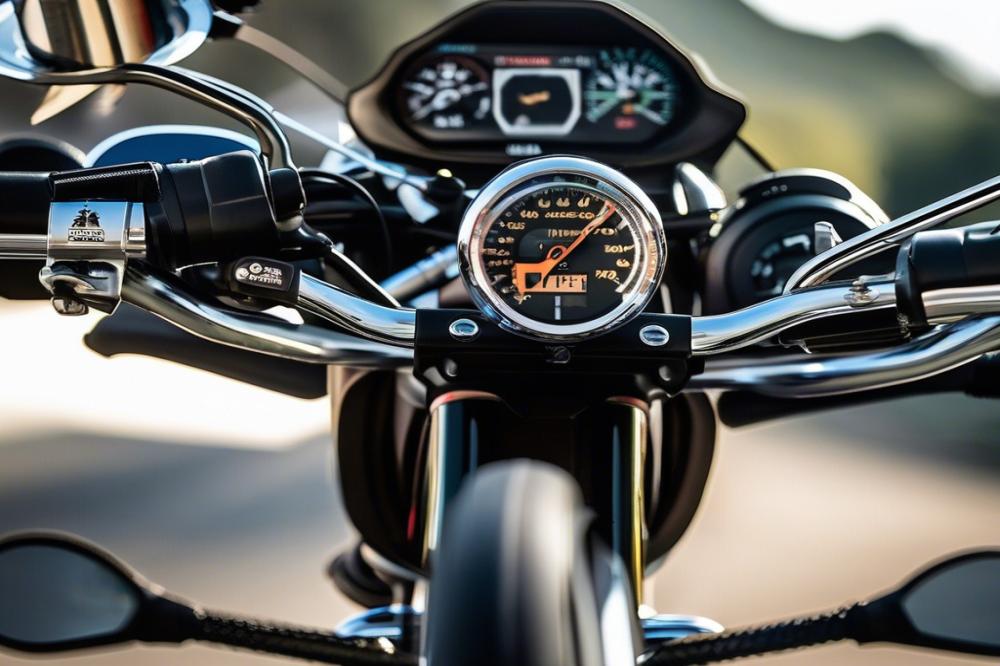
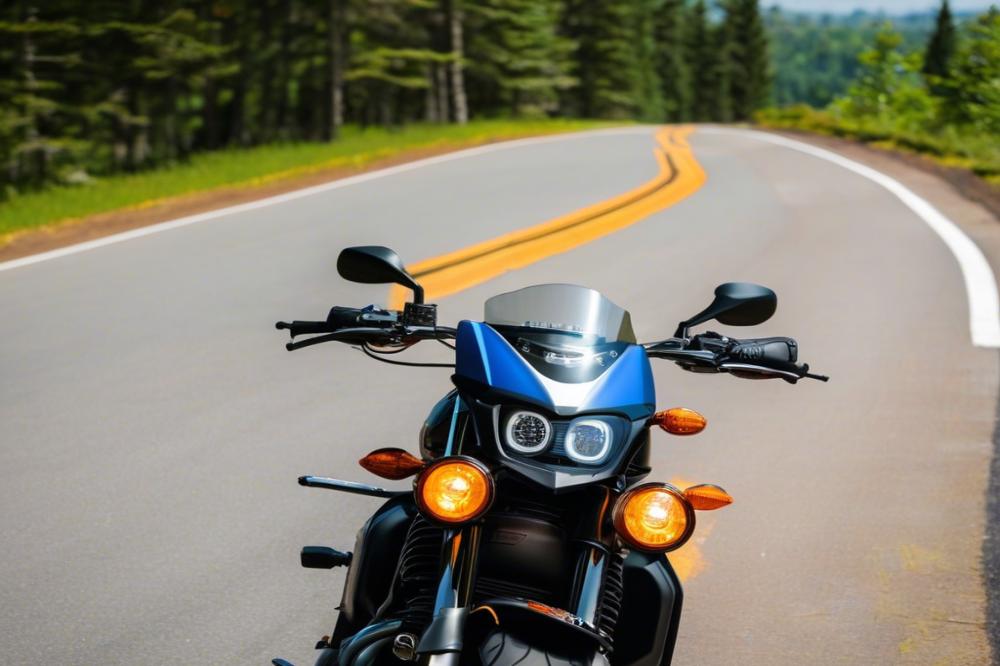
Clip-on handlebars serve as a specialized attachment for sport bikes, transforming their riding ergonomics and aesthetic appeal. These components typically consist of low, lightweight tubes that mount directly to the fork tubes. Such design offers a more aggressive riding position compared to traditional handlebars, which usually sit higher and wider.
Unlike their conventional counterparts, clip-on handlebars allow for greater rider control during speed and turning. They enable the rider to lean forward, maintaining better aerodynamics. This strategic posture can ultimately enhance motorcycle performance, making cornering and acceleration more efficient. The customization options available with clip-ons can further cater to individual preferences, adapting the bike to various road conditions or personal styles.
In practice, sport bike enthusiasts turn to clip-ons for both style and function. They frequently utilize these handlebars for track racing, where responsiveness is paramount. While some may consider switching to clip-on handlebars as merely an upgrade, it’s a decision that significantly impacts a bike’s handling characteristics. Often, riders delight in the additional comfort afforded by the ability to position their hands more naturally during high-speed maneuvers.
Maintenance can vary depending on the model and usage. Regular inspections are essential. The aim is to prevent wear and tear on mounting brackets. Riders should also be mindful of any adjustments needed after extensive use. Proper alignment helps maintain stability and handling. The thrill of riding can quickly diminish if a loose handlebar introduces instability.
Moreover, the aesthetic and performance benefits of clip-on handlebars often appeal to the younger demographic. This segment tends to prioritize both look and feel. Whether on the open road or a local track, the added dynamism cannot be understated. Riders often find themselves grinning ear to ear after a long ride, cradled in the uncompromising hold of precision-engineered components.
Benefits of Using Clip-On Handlebars
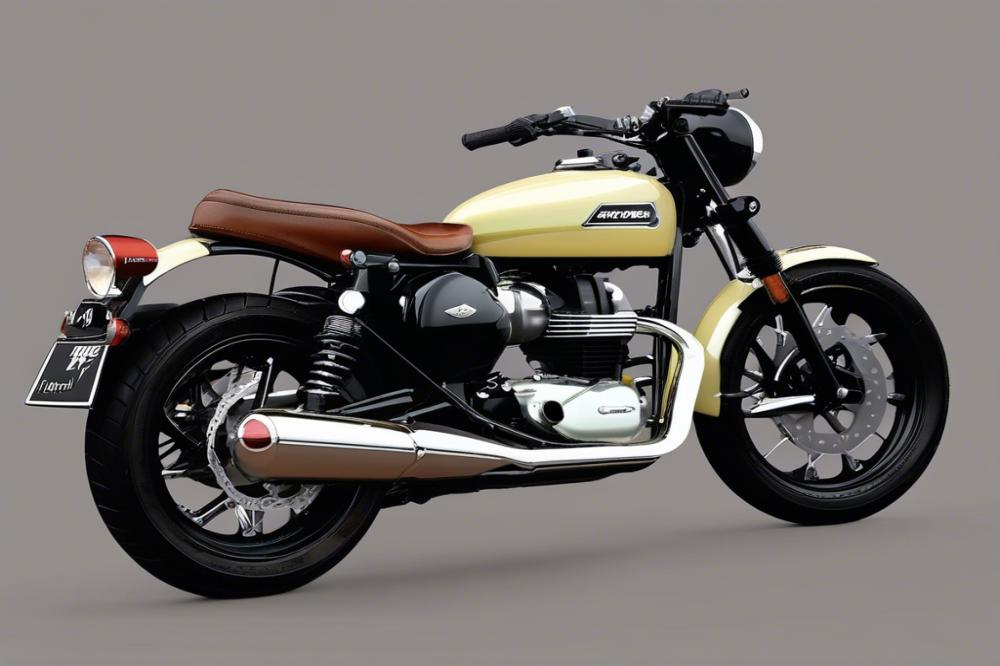
Riders often find clip-on handlebars beneficial for several reasons. Firstly, they improve aerodynamics significantly. The lower profile allows for a more streamlined position, reducing wind resistance during rides. This efficiency translates into enhanced motorcycle performance, allowing more speed with less effort.
Weight savings also play a crucial role in the advantages of these handlebars. Compared to traditional designs, clip-ons contribute to a lighter overall setup. Less weight on the bike can enhance handling and reduce fatigue over long distances. After all, who doesn’t want a bike that feels nimble and quick?
Control that riders experience with clip-ons is another notable advantage. The design places the driver in a more aggressive riding posture, enhancing body leverage. This results in improved feedback from the motorcycle. A tighter grip on the handlebars translates into better responses while navigating tight corners or executing sharp turns.
Customization options abound. Riders can easily adjust the height and angle of the handlebars to suit personal preferences. Each biker has their own unique riding style, and this level of customization means that every ride can be tailored to the individual. Whether it’s cruising or racing, there’s a setup for everyone.
One cannot overlook the aesthetic appeal. Bikes equipped with clip-ons often have a sleek and sporty look. Riders enjoy showing off their machines, and these handlebars undoubtedly enhance that visual appeal. A well-designed bike can turn heads on the road.
Finally, the riding experience is fundamentally enhanced. Riders report feeling more connected to the bike while using clip-ons. This increased connection often leads to a more invigorating ride. Besides, enjoying the thrill of leaning into turns becomes more profound when the setup feels just right.
Common Types of Clip-On Handlebars
When it comes to clip-on handlebars, enthusiasts face a myriad of choices that can enhance both aesthetics and functionality. These components come in various designs aimed at meeting diverse rider preferences. Constructed from materials like aluminum, carbon fiber, and steel, each offers distinct advantages. Aluminum is lightweight and affordable, while carbon fiber provides superior stiffness and absorbs vibrations effectively. Steel, though heavier, boasts exceptional durability.
Styles also play a significant role. Standard clip-ons allow a more relaxed riding posture, while aggressive versions cater to sportbike riders seeking optimal aerodynamics. Additionally, adjustable models offer unparalleled customization options. Riders can tweak their handlebar height and width based on personal comfort or motorcycle performance. These adjustments can drastically change the feel of the bike, making a significant impact on handling.
Color and finish can reflect individual style. Anodized finishes often enhance appearance and resist corrosion, adding a layer of protection. Some riders might opt for a sleek matte black, while others could prefer eye-catching chrome. Style should complement performance; a bold design often catches the eye, but functionality should not be sacrificed.
These handlebars can also influence a motorcycle’s handling characteristics. They change weight distribution and rider posture, thus impacting control during twists and turns. This factor is critical, especially for track days or spirited rides through canyons. The potential for upgrades plays a vital role in making a selection. Riders looking to enhance their machines with clip-on handlebars can often find options that seamlessly blend with existing bike upgrades.
Comfort remains paramount. A comfortable grip reduces fatigue during long rides, which is of utmost importance for serious motorcyclists. Grips come in different shapes and materials, providing more choices for personal preference. Some riders may prefer a thicker grip for better control, while others might favor a slimmer profile.
Ultimately, choices about clip-on handlebars are informed by both practical concerns and personal taste. Before making a purchase, consider riding style, comfort, and potential adjustments. Each rider’s experience varies, so selecting components meant for their specific needs is essential. Whether upgrading for performance or individuality, informed decisions can lead to an enhanced riding experience.
Installation of Clip-On Handlebars
Planning to install clip-on handlebars? A well-executed upgrade can significantly enhance motorcycle performance while adding a touch of personalization. Let’s break down the installation process step-by-step, along with necessary tools and safety precautions.
Required Tools
Gather the following essential tools before diving in:
- Socket wrench set
- Torque wrench
- Phillips screwdriver
- Flathead screwdriver
- Bike stand or paddock stand
- Rags for cleaning
- Safety gloves
Safety Precautions
Safety is paramount when performing any motorcycle upgrades. Always wear safety gloves to protect your hands. Ensure the bike is stable. Placing your motorcycle on a stand helps prevent it from tipping over while you work. Avoid working in a cluttered area. A clean workspace minimizes accidents.
Step-by-Step Guide
Now onto the nitty-gritty:
Begin by removing the existing handlebars. Use a socket wrench to loosen and disconnect the handlebar clamps. Keep track of all screws and components; a small container can be handy. Next, unplug control cables connected to the handlebars. Take care not to damage these important components. Once everything is disconnected, lift the old handlebars off and set them aside.
Next, clean the area where the new clip-on handlebars will be mounted. Dirt and debris can hinder proper fitting. Begin aligning the new handlebars with the motorcycle’s fork. Ensure that they fit snugly against the fork tubes. Alignment is key; misalignment might not only affect aesthetics but also compromise functionality.
After positioning the handlebars, it’s time to attach them to the fork. Slide the clamps over the handlebars and tighten them using the socket wrench. Be cautious; overtightening can lead to damage. Utilize the torque wrench for accurate tightening following manufacturer specifications.
Once secured, reattach the control cables. Make sure everything is connected correctly. Test the smoothness of throttle and brake functions before finalizing. A quick check here can prevent future headaches. Furthermore, consider customization options to add to your bike’s style. Some riders enjoy tweaking lever positions for comfort.
After confirming all connections are in place, give the bike one last inspection. Look for loose screws or misalignments. Start the motorcycle and test the handlebars at low speeds. Listen for any unusual sounds and feel how the bike responds. This initial ride can highlight any adjustments necessary.
Congratulations! You’ve successfully installed your new handlebars. The benefits are manifold, including enhanced riding posture and improved handling. Don’t forget to routinely check the tightness of the screws in the coming weeks. Regular maintenance is crucial to prevent any mishaps.
Regular Maintenance Practices
Maintaining your bike’s clip-on handlebars can feel like a chore at times, but think of it as a routine check-up for your ride. Regular inspections are crucial for ensuring motorcycle performance. Start by assessing the bolts and clamps. These grip points can loosen over time due to vibrations and general use.
Next, cleaning is essential. Dirt and grime accumulate quickly, especially after a long ride. Use a microfiber cloth and a suitable cleaner to wipe down the handlebars, taking care not to use abrasive materials that may scratch the finish. A little TLC goes a long way in preserving both aesthetics and functionality.
Inspection Strategies
Check for cracks and signs of wear on the handlebar material. Steel or aluminum options may develop stress points after extensive use. If you notice anything out of the ordinary, it may be wise to consider replacement before embarking on a long journey.
Pay attention to the angle and position of the clip-on setup. Adjustments might be necessary to cater to personal comfort or riding style. Riding with improperly aligned handlebars can lead to discomfort, not to mention hinder your control on the bike. After all, a comfortable rider is often a safer rider.
Customizations and Upgrades
Customization options abound when it comes to handlebars. Riders frequently personalize their setups to enhance grip or aesthetics. Upgrades can range from ergonomic grips to sophisticated finishes that complement your bike’s paintjob.
Do not forget to apply a bit of lubrication to any moving parts. This simple addition can smooth things over, allowing for a more responsive ride. Overlooking such details can lead to frustrating performance issues down the road.
Routine Checks
Lastly, develop a habit of routine checks. Each time you ride, take a moment to glance at the handlebars. Is everything snug? Are there any visible signs of trouble? Recognizing issues before they escalate can save time and money in the long run.
By incorporating these practices into your maintenance routine, you not only maximize the benefits of your clip-on handlebars, but also enhance your overall riding experience.
Troubleshooting Common Issues
Riders may experience various challenges with clip-on handlebars. Each problem can affect not only comfort but also overall motorcycle performance. Recognizing the symptoms early is crucial for effective resolution.
Loose Fit
A common issue involves the handlebars feeling loose while riding. This can lead to uncertain steering, making the bike feel unstable. First, check the mounting clamps. Tighten bolts to the manufacturer’s specifications.
If the fit remains wobbly, inspect the rubber grommets. Over time, they may degrade or compress, so replacing them can provide a snug fit. Riders who seek adjustments may find customization options beneficial.
Vibration Sensations
Some may notice excessive vibrations traveling through the handlebars. Vibration can cause fatigue during long rides. Ensure that the mounting hardware is correctly tightened. Additionally, consider using vibration-damping grips or bar ends. These solutions help absorb some of the unwanted vibration.
Corrosion Problems
Corrosion can sneak up on any rider. Moisture may lead to rust, especially on metal components. Regular inspections can help identify early signs of rusting. Investing in high-quality materials can certainly mitigate this risk.
When corrosion appears, cleaning the affected area is paramount. Use a soft cloth and a suitable metal cleaner. Afterward, applying some protective wax can prevent future issues. This simple routine keeps your enhancements looking sharp.
Improper Alignment
Alignment problems manifest when handlebars seem crooked or misaligned. Keeping everything aligned ensures better handling and rider safety. Start by loosening the mounting clamps slightly. Adjust the handlebars to their proper position, then retighten. Having a buddy hold the bike can help during this process.
Pay attention while riding. Any tilt when the bike is straight can indicate a misalignment issue that needs addressing.
Handling Changes
Many riders encounter changes in handling characteristics after upgrading clip-ons. They may experience tighter turning radius or altered weight distribution. This alteration can arise from incorrect installation or mismatching components.
Take time to recheck the installation manual. Sometimes a few millimeters of height adjustment can make a significant difference in comfort and performance. If issues persist, consulting with a professional mechanic can save a lot of headaches.
Brake and Clutch Cable Tension
Altered handlebars lead to shifts in brake and clutch cable tension. Cables that are either too tight or too loose can seriously impact safety. Inspect the cables for any signs of strain or wear and tear.
Adjust accordingly, making sure there is enough slack to prevent binding during full turns. Both cable management and proper setup can significantly enhance bike upgrades and performance.
When to Replace Clip-On Handlebars
Identifying the right moment to replace those handlebars isn’t rocket science, but it does require some attention. If you notice excessive wear or damage, it’s a clear signal. Cracks or significant scratches can indicate that they’ve taken a beating over time.
Degradation often results from exposure to elements like moisture and UV light. Rust is another telltale sign; if that steel starts to show its age with flaky patches, it’s time for a change. Also, if you find your grip feels less secure, it may indicate that the bar has warped or become loose. Safety should always reign supreme—never ignore a compromised setup.
Factors Affecting Durability and Lifespan
Clip-on handlebars endure a lot, especially in high-performance settings. The materials used matter. Aluminum and carbon fiber each offer distinct advantages and challenges. Aluminum tends to be more affordable and can withstand a fair amount of abuse, while carbon fiber weights less and boasts better vibration absorption. However, it’s also more susceptible to cracking under stress.
Riding style plays a big role too. Aggressive maneuvers that push limits can wear them down faster than a Sunday cruise with friends. Regular maintenance also cannot be overlooked. A little cleaning and inspections can add years to their lifespan. Neglect? That can be a death sentence.
How to Select Replacements
Once you decide a replacement is in order, understanding your options is critical. Clip-on handlebars benefits include improved ergonomics and handling. Customization options abound, allowing riders to find bars tailored to their unique preferences. Think about your bike’s overall performance—upgrades should enhance your ride, not hinder it.
Before making a final choice, consider the width, height, and rise of the new handlebars. A bar that feels right when stationary may not deliver the same comfort during a ride. Compatibility with your current setup is vital to ensure they fit without causing a mess of issues down the line.
Moreover, price fluctuations can be staggering. Investing slightly more in quality could save you hassles later. Go ahead, invest in those handlebars like they’re the most critical part of your bike. In many ways, they are your connection to the asphalt beneath you.
Personalizing Your Clip-On Handlebars
Customization options for clip-on handlebars extend far beyond merely selecting the right style. Grips can dramatically alter both comfort and control. From rubber to foam, each material offers a different tactile experience. A good grip can feel like a handshake from an old friend—familiar and reassuring.
Finishes also play a key role in personalization. Anodized aluminum, carbon fiber, or even matte versus glossy can change the overall vibe of your motorcycle. Choose a finish that speaks to you. It’s like choosing the right outfit for a big night out; it should reflect who you are.
Accessories provide another layer of customization. Mirrors, bar ends, and risers can enhance utility while adding flair. Ever thought about integrating a phone mount? Having your navigation at a glance might just save your trip—or your sanity. Each accessory can function like the cherry on top of a sundae, making your motorcycle a little more “you.”
Engaging in customization doesn’t just enhance aesthetics; it can also elevate motorcycle performance. The right controls and grips can yield better handling and response times. Thoughtful upgrades might just perform wonders, transforming your ride into a more enjoyable experience. It’s not just about looks; it’s about feeling connected to your machine.
Consider the look and feel of your bike. Does it reflect your personality? A well-thought-out design can turn heads and start conversations. Perhaps you envision a sleek, minimalist appearance, or maybe you prefer something more rugged and adventurous. Whatever your preference, take the time to think it through. After all, are you not riding a reflection of your individuality?
Finally, don’t underestimate the value of comfort. A personalized setup can mitigate fatigue during long rides, enhancing your overall experience. Well-designed handlebars can act as your posture’s best friend, keeping you relaxed and in control. When it comes to motorcycle upgrades, what could be more vital than a good grip on your elements?
Wrapping It Up
Maintaining clip-on handlebars is not just an exercise in mechanical diligence; it’s a crucial aspect of ensuring rider safety and performance on the road. An ill-maintained setup can lead to unpredictable handling and, potentially, accidents that could have been easily avoided. As highlighted throughout this article, adhering to best practices such as regular inspections and proper tightening of components can make a significant difference in both longevity and functionality.
A well-kept handlebar system provides a significant advantage in Enhancing Control with Power Commanders. This technology, while exciting, thrives on a solid, reliable foundation; slack or misaligned handlebars could negate the benefits of such performance enhancements. It’s a bit like trying to enjoy a gourmet meal while sitting on a rickety chair—no one wants to wobble while savoring the ride.
Moreover, keeping your handlebars clean can help spot potential issues before they escalate. Think about it: a little dirt might seem harmless, but it can hide threats like cracks or loose fittings. Just as you wouldn’t ignore a pesky check engine light on your vehicle, dismissing minor wear on your handlebars could land you in a tight spot down the road. Remind yourself to check for wear and tear regularly, especially if your adventures involve less-than-smooth trails.
Safe riding is tied directly to proper care and maintenance. Just like you wouldn’t race with an untested engine, don’t hit the highway without verifying your clip-on setup is in top shape. Each ride brings its own set of challenges and joys, making routine check-ups not just recommended, but essential. After all, a little time spent on maintenance can lead to countless hours of enjoyable—and safe—riding.
In conclusion, your journey depends on more than just a beautiful day and a potent engine. It relies on your commitment to the upkeep of every part of your motorcycle. So, next time you plan to take to the open road, remember that the best adventures begin with a trusty ride. Keep those handlebars in check, and may your every twist and turn be TRUE!