The Significance of Motorcycle Market Trends
Understanding motorcycle market trends is not just an academic exercise; it’s akin to navigating a winding road on two wheels. Bikers and industry stakeholders alike should recognize that awareness of these trends lays the foundation for sound decision-making. The dynamics of motorcycle sales reflect broader economic shifts, consumer behaviors, and technological advancements. Thus, a comprehensive grasp of this landscape can illuminate paths toward both opportunities and challenges.
This article endeavors to shed light on the intricate relationship between market trends and their implications. Emphasis will be placed on providing insights that can foster a deeper appreciation for the forces at play. While some individuals may approach market analysis with trepidation, it’s essential to view it as a map guiding stakeholders through a complex terrain. By understanding what’s around the bend, one can transition from mere survival to thriving in a competitive environment.
Stakeholders ranging from manufacturers to consumers must prioritize researching motorcycle market trends to optimize their strategies. Potential buyers can benefit from buying advice tailored to current conditions, ensuring they make informed decisions. On the flip side, businesses must adapt their selling strategies to glean the utmost advantage from emerging patterns. The motorcycle market is teeming with nuances; recognizing them is vital for success. Whether you’re a weekend rider or a seasoned dealer, the importance of grasping these trends can’t be overstated. After all, it’s not just about the ride — it’s about enhancing safety and enjoyment for everyone on the road.
The rich tapestry of this market reveals distinct patterns that rely on changing demographics and shifting attitudes toward motorcycle ownership. For instance, the surge in interest within younger generations hints at a potential renaissance in motorcycle culture. Therefore, companies and consumers alike stand to benefit from effective analysis of such trends. Whether one is hunting down the latest models or devising innovative selling techniques, researching motorcycle market trends tips can yield significant dividends.
Understanding Market Trends
Definition of Market Trends in the Motorcycle Industry
Market trends in the motorcycle industry refer to the patterns and shifts in consumer behavior, preferences, and economic conditions that influence buying habits. Observing these trends can shed light on the direction the industry is headed. It’s akin to reading the weather before going for a ride—knowledge is power. Recognizing these trends is critical for manufacturers, dealers, and buyers alike.
Types of Market Trends Relevant to Motorcycles
Various trends emerge in the motorcycle sector, each contributing to the larger picture. One such trend is the growing popularity of electric motorcycles. The shift towards sustainability cannot be overlooked. Another often-discussed trend is the rise of adventure touring bikes, reflecting a shift in consumer aspirations towards exploration and travel.
The demographic shifts also play a significant role. Younger generations tend to seek out different riding experiences compared to their predecessors, influencing manufacturers’ designs and marketing strategies. Additionally, seasonal changes affect motorcycle sales; warm months often bring a noticeable spike in purchases. This seasonal cycle can be as predictable as clockwork, but each year brings its own surprises.
Factors Influencing Motorcycle Market Trends
Many variables affect motorcycle market trends. Economic health stands at the forefront. When disposable income rises, so too do motorcycle sales. Conversely, during economic downturns, potential buyers often tighten their belts, which can lead to stagnant sales. The influence of technology cannot be discounted either. Innovations in bike safety features and performance improvements entice consumers to upgrade or purchase new models.
Cultural phenomena, such as motorcycling becoming an emblem of freedom, also shape trends. This allure captivates enthusiasts and newcomers alike, drawing them into the fold. Moreover, the role of social media in showcasing trends should not be underestimated. Platforms like Instagram create vibrant communities that influence buying decisions, often dictating fashion and style in the motorcycle world.
Government policies pertaining to emissions and safety regulations further complicate the landscape. Manufacturers must navigate these regulations while innovating their products. Each of these factors intertwines, creating a complex web that anyone interested in researching motorcycle market trends must untangle.
Current Motorcycle Market Landscape
Overview of the Global Motorcycle Market
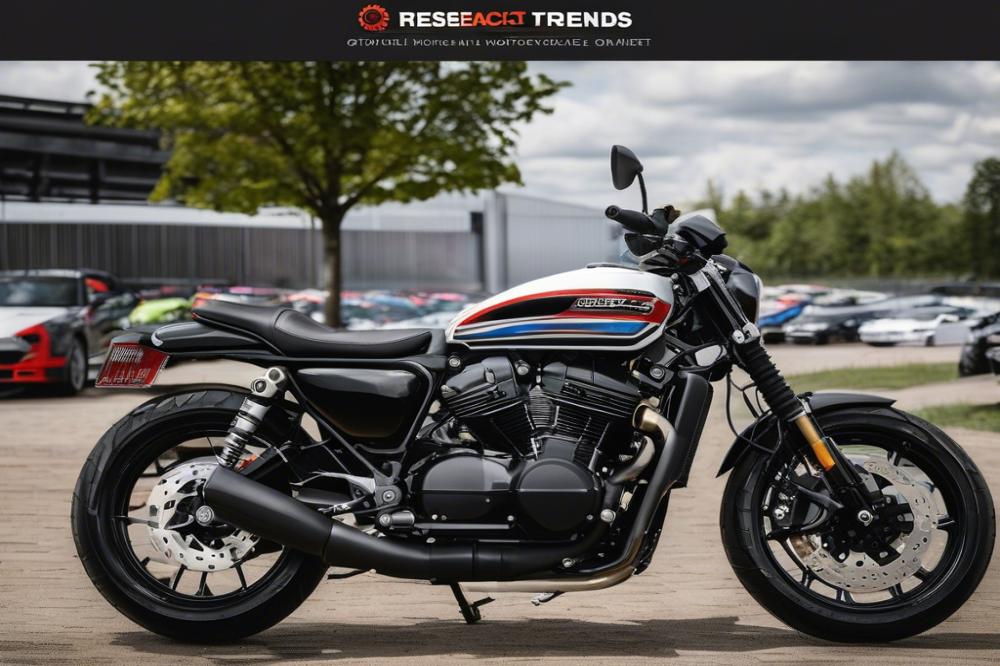
The motorcycle market is a dynamic and multifaceted arena. In 2023, its value continues to rise, driven by increasing urbanization and consumer mobility demands. Enthusiasts and casual riders alike have spurred motorcycle sales, making it a significant sector within the automotive industry. The appeal of two-wheeled transportation is undeniable. It offers an exhilarating experience, often accompanied by a sense of freedom that cars simply cannot replicate.
Technological advancements have played a pivotal role in this landscape. Electric motorcycles are emerging as a noteworthy category, reflecting consumer preferences for sustainability. As gas prices fluctuate and environmental awareness rises, many riders are considering electric options. Solutions like e-bikes cater to those new to the market while providing solid alternatives for seasoned riders. Trends suggest that the market is gradually moving toward cleaner, greener technologies.
Key Players and Competitors in the Industry
Several key players dominate the global motorcycle market. Brands like Honda, Yamaha, and Harley-Davidson are household names, recognized for their durable and innovative products. Each company brings unique strengths to the table. From powerful touring models to nimble sport bikes, these brands have something for everyone.
Competition is fierce, especially with newer entrants vying for a slice of the pie. Start-ups focusing on electric motorcycle solutions are gaining traction. Notably, they are catering to a niche that resonates with younger consumers who prioritize innovation and sustainability. Established manufacturers are not resting on their laurels either; they are investing heavily in research and development. Watching these rivals adapt their selling strategies can yield insightful researching motorcycle market trends tips.
Emerging Markets and Growth Opportunities
Emerging markets present a treasure trove of opportunities. Regions like Southeast Asia and Latin America show promising growth potential. With improving economies and rising middle classes, demand for motorcycles is skyrocketing. In countries such as India and Indonesia, motorcycles are more than just transportation; they symbolize status and independence.
Furthermore, urbanization plays a critical role in shaping market dynamics. Crowded streets enable motorcycles to navigate traffic more easily than cars. The convenience factor cannot be overstated. Buyers in these regions are looking for practical and affordable options, a trend that influences manufacturers’ designs and marketing approaches.
Growth opportunities also lie within the realm of accessories and aftermarket parts. Riders are often passionate about personalizing their machines. This creates a vibrant market for customization, giving entrepreneurs and established brands alike room for expansion. As selling strategies evolve, they must account for these burgeoning demands.
The motorcycle industry, complex yet exhilarating, thrives on innovation and competition, adapting continually to shifting consumer preferences and global economic factors. Savvy buyers and sellers must remain alert to capitalize on these ongoing changes.
Consumer Behavior and Preferences
Analysis of Consumer Preferences in Motorcycle Purchasing
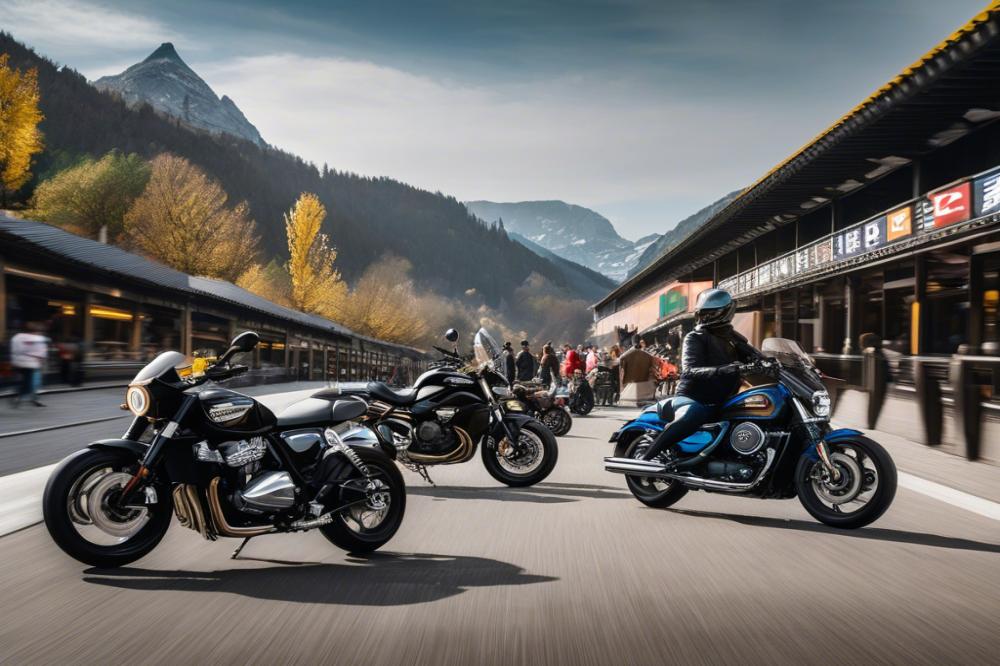
Understanding consumer preferences is pivotal for anyone involved in motorcycle sales. Buyers often weigh their options based on brand reputation, performance, and aesthetics. When contemplating a purchase, many individuals are not merely looking for a means of transportation. Instead, they seek an extension of their identity, a reflection of style, and sometimes, a rebellious spirit. Researching motorcycle market trends reveals that the allure of well-established brands continues to dominate choices. Affordability and financing options also play critical roles. Consequently, dealerships must navigate these multifaceted preferences to effectively position their offerings.
Impact of Demographics on Motorcycle Sales
Demographics serve as a lens through which motorcycle sales can be assessed. Factors such as age, gender, and geographic location shape buying behaviors. For instance, younger riders often gravitate toward lightweight models and sport bikes, reveling in speed and agility. In contrast, seasoned bikers may seek cruisers or touring motorcycles for longer journeys. Moreover, urban dwellers show a growing appetite for electric models due to environmental concerns and city regulations. Understanding these shifts can aid in tailoring selling strategies. Consider how different demographics prioritize features like comfort, storage, or fuel efficiency. Knowing the audience can direct marketing efforts effectively.
Trends in Consumer Demands for Technology and Sustainability
Technology is rapidly becoming a cornerstone of motorcycle design and consumer expectations. Features such as advanced navigation systems, Bluetooth connectivity, and smart helmets are not just novelties; they’re now essentials for many riders. The connected experience has redefined what is desirable in motorcycle ownership. Moreover, sustainability has emerged as a key consideration. Many buyers lean toward eco-friendly models that minimize their carbon footprint. Electric motorcycles are gaining traction, appealing to environmentally conscious consumers while offering innovative technology. The intersection of sustainability and tech-savvy features creates a rich tapestry of consumer demands, which both manufacturers and retailers must heed closely.
Given these insights, utilizing researching motorcycle market trends tips can foster informed decisions in buying advice and selling strategies. Consumer behavior is continually evolving, keeping those involved on their toes. This dynamic landscape demands an authentic understanding of what today’s riders truly value.
Economic Factors Affecting the Market
Influence of Economic Conditions on Motorcycle Sales
Economic conditions serve as a barometer for motorcycle sales. When disposable income rises, enthusiasts seek two-wheel escapades more fervently. A thriving economy often translates to increased consumer confidence, which can lead to splurges on motorcycles. Conversely, during tough economic times, priorities shift. Buyers tend to hold off on luxury items, including those shiny new bikes. Every uptick in unemployment can create a ripple effect, cutting deep into sales figures. Watching consumer sentiment closely is crucial when researching motorcycle market trends.
Analysis of Pricing Strategies in Relation to Market Trends
Pricing strategies significantly influence market dynamics. As motorcycle brands adjust cost structures, they must remain attuned to the broader economic landscape. Competitors often engage in price wars to attract cost-conscious consumers. Yet, it’s not always about lowering prices; some brands leverage premium positioning. The argument is that higher price points can signal quality and exclusivity. Market trends dictate that firms need savvy selling strategies to appeal to diverse customer segments. In uncertain times, discounts can be a double-edged sword. They may drive short-term sales, but they can erode brand value in the long run.
Effects of Economic Downturns and Recoveries
Economic downturns pose unique challenges to the motorcycle industry. Companies must adapt swiftly to survive the shifting winds. Layoffs and reduced hours can tighten the budget for potential buyers. During these periods, many enthusiasts may turn to second-hand options instead of investing in new models. Memories of past recessions show how sales can plummet; dealerships often resort to aggressive promotions. In contrast, when recovery stages begin, there’s a notable resurgence in purchases. Emerging trends can highlight a shift back to premium bikes as confidence returns. This cycle of downturn and recovery offers rich insights for anyone gathering buying advice. Understanding these phases equips manufacturers and dealers with tools for navigating turbulent waters.
Technological Innovations
Role of technology in shaping motorcycle market trends
Technology plays a pivotal role in defining market dynamics. Innovations not only transform motorcycles but also influence consumer preferences significantly. It’s as if every new gadget or feature invites buyers to reconsider their choices. The relevance of connectivity has surged in recent years. Riders now expect their machines to do more than just rev up. They desire integration with smartphones and access to navigation tools on the fly. Increased demand for cutting-edge features aligns closely with lifestyle changes. Riding has morphed from mere transport into a multifaceted experience, blending adventure with digital convenience.
Trends in electric motorcycles and alternative fuel sources
The rise of electric motorcycles signifies a shift from traditional fuels to alternative sources. Awareness of environmental issues has grown vastly among consumers. Many are now considering the sustainability factor when making purchasing decisions. Electric options appeal to a younger demographic, eager to embrace eco-friendly practices. Their desire for lower emissions resonates with a wider audience as well. Manufacturers, understanding the market’s pulse, have ramped up production. This trend indicates an ongoing need for researching motorcycle market trends. Consumers expect more choices, greater efficiency, and robust performance from electric models. It seems they are no longer willing to compromise.
Impact of accessories and smart technology on consumer choices
Accessories often make or break a sale, influencing consumer choices profoundly. Riders are drawn to customization possibilities that allow individuality to shine. From high-tech helmets to integrated sound systems, options are vast. Smart technology doesn’t stop at the bike itself; it extends to wearables, which enhance safety. These innovations often play a crucial role in buying advice and selling strategies. Consumers appreciate features that promote safer riding experiences, such as adaptive lights and collision detection. The market is shifting, and savvy sellers know how to capitalize on these trends. As technology evolves, accessories become less of an afterthought and more of a necessity.
Keeping abreast of these changes not only helps manufacturers but also informs consumers. Users are expected to navigate a complex landscape where informed choices matter greatly. The digital age has provided tools to compare models, assess features, and read reviews with ease. This newfound accessibility alters the traditional dynamics of motorcycle sales, compelling sellers to adapt or risk obsolescence. Indeed, staying attuned to technological advancements has become crucial in ensuring success in this market.
Regulatory and Environmental Considerations
Overview of Regulations Affecting the Motorcycle Industry
A myriad of regulations shape the landscape of the motorcycle industry. This encompasses safety standards, emissions requirements, and licensing procedures. For example, the National Highway Traffic Safety Administration establishes crashworthiness criteria. In various regions, including the European Union, stringent emissions laws are enforced to tackle air pollution. Compliance with these regulations can significantly affect manufacturing costs and product designs. For manufacturers, adapting to evolving legal frameworks is just part of the game. It’s not only about avoiding penalties; rather, regulations can also become a driving factor in the competitive nature of motorcycle sales.
Impact of Environmental Policies on Market Trends
Environmental policies wield considerable influence over consumer preferences and corporate strategies. As government incentives promote electric and hybrid vehicles, electric motorcycles are gaining traction. Shoppers are increasingly drawn to eco-friendly options, while manufacturers scramble to innovate in this direction. With climate change pressing forward, policies favoring sustainable alternatives will likely sway purchasing habits. Those offering green options could see an upswing in buyers. Moreover, electrification isn’t merely a trend; it’s a necessity for survival in this industry. Companies that ignore these dynamics may find themselves struggling—after all, nothing drives modern consumers quite like a good ‘green’ story.
Future Implications of Sustainability in Motorcycle Manufacturing
Sustainability in manufacturing isn’t just a catchphrase; it’s becoming the mantra of the future. Efforts to minimize waste and enhance resource efficiency are gaining momentum. Embracing renewable energy sources within manufacturing processes can not only reduce costs but also bolster brand reputation. Companies are increasingly prioritizing materials that are sustainable and ethically sourced. This shift promises to reshape product design and consumer expectations alike. Additionally, gaining insight into researching motorcycle market trends is critical for developing relevant buying advice and effective selling strategies. As markets evolve, savvy decision-makers will need to stay ahead of potential regulations and sustainability initiatives.
Motorcycle enthusiasts often seek information on reputable brands prioritizing eco-friendliness. Collectively, these factors will propel the industry towards a more sustainable future, appealing to a broader customer base. In this light, companies that lead the charge in sustainability may find themselves reaping the benefits of a conscientious consumer base eager to support responsible practices.
Importance of Market Research
In the motorcycle industry, understanding the landscape is critical. Manufacturers and retailers must navigate an ocean of consumer preferences, technological advancements, and competitive dynamics. Market research plays a vital role in this navigation.
Benefits of Researching Motorcycle Market Trends for Manufacturers and Retailers
Grasping the nuances of motorcycle sales trends provides invaluable insights. First, manufacturers can tailor their production strategies. This responsiveness can lead to innovations that meet emerging consumer demands. Retailers benefit as well, using these insights to stock the right models that match customer interests.
Another advantage lies in enhanced customer engagement. Armed with robust data, businesses can adapt their marketing strategies salting them with effective communication. This shift leads to increased sales and improved customer loyalty. After all, no one enjoys buying a motorcycle that’s out of touch with their desires.
Methods and Tools for Effective Market Research
Various methodologies exist to conduct market research. Surveys and questionnaires can yield quantifiable data on consumer preferences. Utilizing social media analytics reveals trends and sentiments that might otherwise remain hidden. Engaging with online communities or forums can serve up grassroots insights, too, which often provide more authentic perspectives than traditional methods.
Focusing on various analytical tools enhances research efforts. Tools like Google Trends or industry-specific analytics platforms deliver rich data sets that can shape strategic decisions. Consider, for instance, how data visualization software can offer clear pictures of complex market dynamics. Making these patterns visible can lead to enlightening conclusions.
Tips for Effective Motorcycle Market Research
When diving into researching motorcycle market trends, consider a few handy tips. Start by clearly defining your target audience. Understanding who your motorcycle buyers are enables precise marketing strategies. Additionally, collecting competitive intelligence aids in drawing comparisons that highlight your unique selling propositions.
Many businesses fail to appreciate the role of continuous learning. Trends shift daily—what’s relevant today may change overnight. Therefore, staying current is not just beneficial; it’s necessary. Implementing ongoing consumer feedback mechanisms can help retain insight into shifting preferences.
Lastly, never underestimate the power of anecdotal evidence. Encouraging customers to share their buying experiences can reveal invaluable insights that numerical data sometimes overlook. Often, storytelling illuminates the human side of market research, helping to connect with customers on a deeper level.
Final Thoughts on the Motorcycle Market Landscape
Reflecting on the current landscape, it is clear that market trends profoundly influence the motorcycle industry. Consumer preferences have shifted towards electric and eco-friendly alternatives, changing the dynamics of competition. Additionally, the growing popularity of adventure touring has led manufacturers to adapt, prioritizing versatility and performance. This turbulence creates both challenges and opportunities. Stakeholders must navigate these evolving waters with vigilance and insight.
Looking forward, the future of motorcycle market research appears promising yet complex. Emerging technologies such as connected vehicles and the rise of artificial intelligence will guide product innovation and consumer engagement. Moreover, as demographics shift, understanding the desires of new rider segments becomes crucial. Hence, anticipating these trends will require not only keen observation but also adaptability in strategy.
It is advisable that all parties involved, from manufacturers to retailers and potential buyers, immerse themselves in comprehensive market analysis. Seeking knowledgeable buying advice can provide key insights that may lead to sound investments and strategic decisions. Engaging in detailed research helps to identify developing patterns that can inform inventory choices, marketing strategies, and customer outreach.
As riders, whether seasoned or newcomers, consider their travel gear essentials, the importance of informed choices cannot be overstated. Just as every individual journey is influenced by choices made along the route, the collective direction of the motorcycle industry is determined by the insights shared among its stakeholders. Embracing thorough market research isn’t just a response to current trends; it’s a proactive approach to shaping a future that meets the aspirations of riders everywhere.