Getting Started on Your Motorcycle Journey
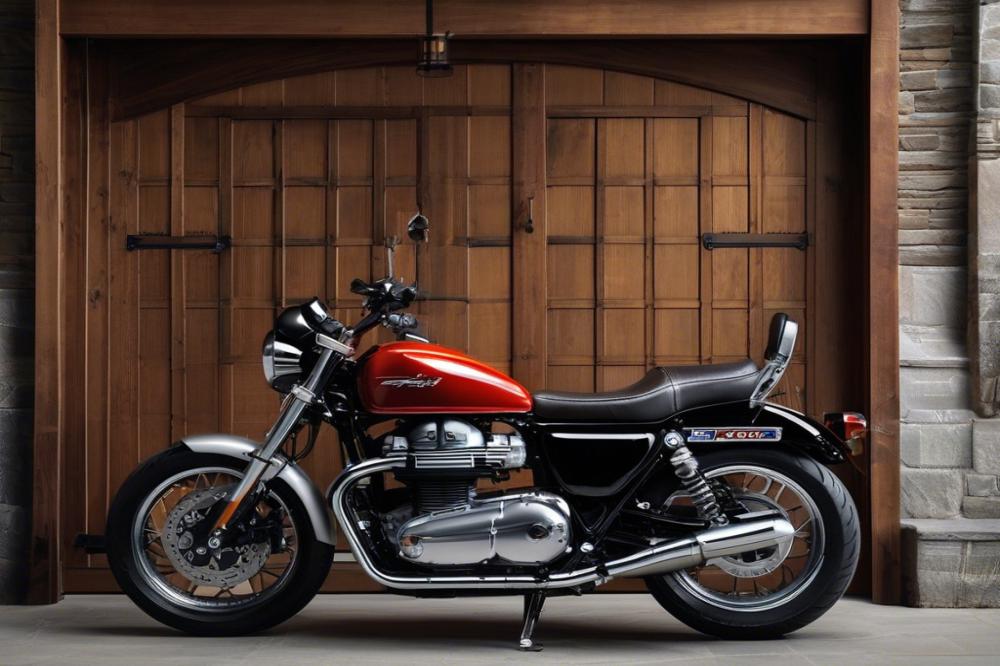
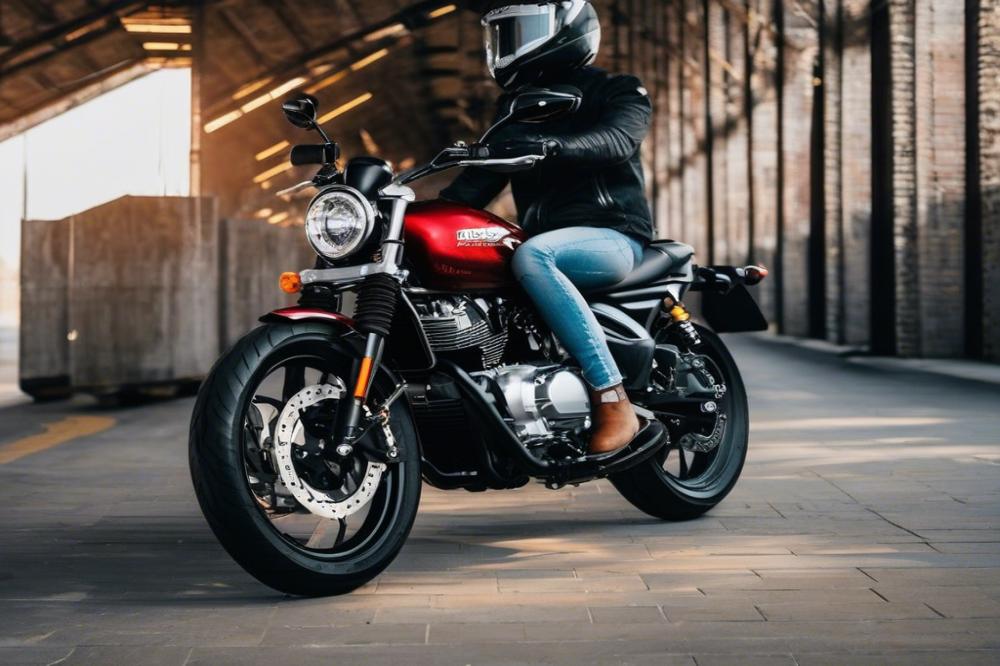
The thrill of a motorcycle ride evokes an undeniable sense of freedom, akin to catching the wind with your hair flowing behind you. With the world spread out before you, each curve in the road becomes an invitation for adventure. As the engine roars to life and you feel the bike vibrate beneath you, the exhilaration can be almost addictive. The journey into motorcycling, however, begins far before the first twist of the throttle.
Choosing the right first motorcycle is essential. There’s a daunting array of options available, each with unique characteristics, appeal, and performance capabilities. Selecting a model that’s not only suitable for your skill level but also aligns with your riding style can make all the difference. A well-informed choice fosters confidence, ensuring a safer and more enjoyable riding experience. It sets the foundation for a rewarding journey rather than a frustrating chore.
This article serves as a practical guide, brimming with how to choose your first motorcycle tips and solid buying advice. We’ll discuss key considerations, from understanding your personal needs to evaluating various motorcycle types. Furthermore, we will explore tips for navigating motorcycle sales and effective selling strategies should you decide to upgrade down the line. Additionally, we can’t forget the importance of rider communication, particularly in fostering camaraderie and ensuring a supportive environment as you embark on your biking venture.
So, buckle up—well, actually, you might want to strap on your helmet! Let’s dive deep into the world of motorcycles and learn how to steer your first purchase in the right direction.
Understanding Motorcycle Types
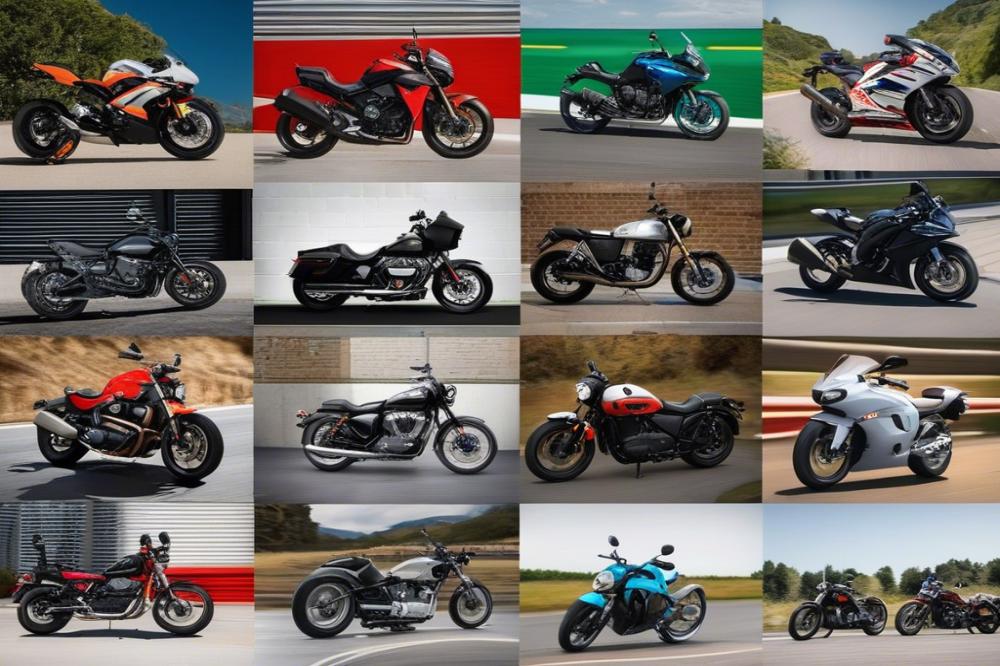
When embarking on the journey of choosing your first motorcycle, it’s vital to grasp the various types available. Each motorcycle type offers a different experience, catering to distinct riding styles and preferences.
Cruisers
Cruisers are known for their low seat height and comfortable riding position. Riders often appreciate their relaxed nature, making them ideal for leisurely rides around town. However, these machines can be heavier, which may pose a challenge for some beginners. Ideal for enjoying long, scenic views, they may leave less room for agility.
Sportbikes
Sportbikes boast impressive speed and sharp handling. Their lightweight frames allow for quick acceleration and intense cornering capabilities. However, this performance comes at a cost—riding positions can be strenuous and aggressive. If adrenaline is your thrill, this style suits you, but novice riders might find them daunting.
Touring Motorcycles
Designed for long-distance travel, touring motorcycles provide extensive comfort and ample storage space. Features like large windshields and heated grips enhance the experience on extended trips. Yet their size and weight can be intimidating for newcomers. If you plan on taking epic road trips, they are worth considering.
Dual-Sport Bikes
Dual-sport bikes merge street and off-road capabilities. They’re versatile, allowing riders to tackle everything from highways to rugged trails. While they adapt well to various terrains, some find their lighter build can be less stable at highway speeds. These bikes encourage adventure and exploration.
Dirt Bikes
Dirt bikes offer a thrilling off-road experience. Their lightweight design and knobby tires enable riders to conquer rough terrains. However, they lack the comfort and features needed for road travel. For those who crave trails over tarmac, a dirt bike may ignite your passion.
Choosing Based on Riding Style
Your riding style is monumental when determining the right motorcycle. Novice riders often appreciate the comfort of cruisers for relaxed city rides. Conversely, thrill-seekers may lean toward sportbikes to satisfy their need for speed. Consider where you’ll be riding most often and what you hope to achieve with your bike.
This is a pivotal moment. By reflecting on your preferences and lifestyle, you will better understand how to choose your first motorcycle. Keep in mind the myriad motorcycle sales options available, as well as actionable buying advice. Remember, selling strategies vary based on the type you ultimately decide on, so choose wisely!
Assessing Your Experience Level
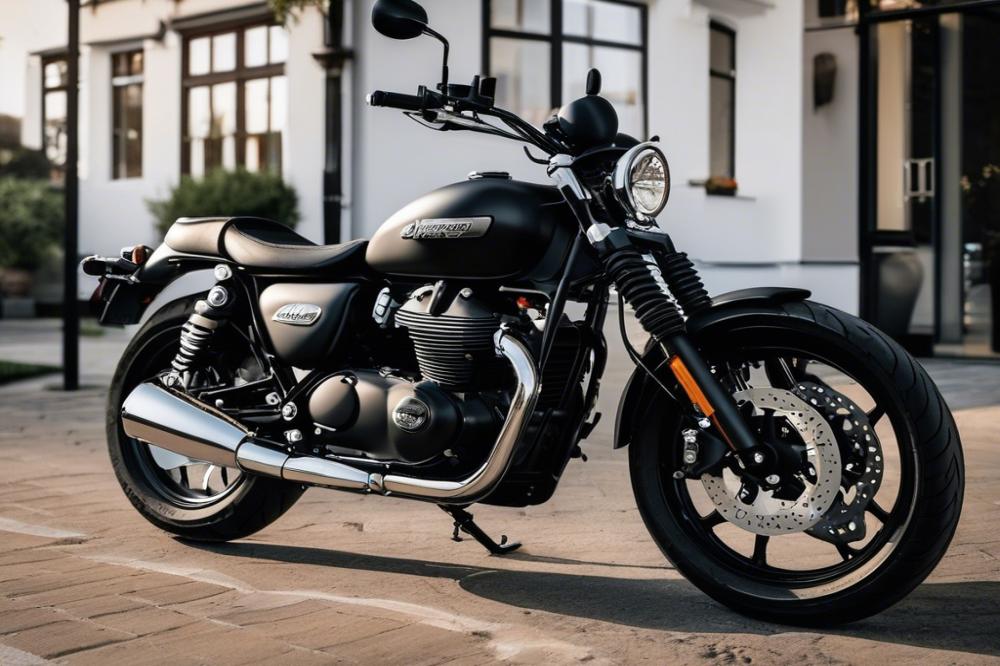
Recognizing your skill level is crucial. If you’re fresh out of the gate, don’t rush into motorcycle ownership. A novice who jumps onto a powerful machine might find themselves in over their head, quite literally. Take a moment to reflect on your riding experience.
Options for Beginners: Training Courses and Licenses
Many communities offer motorcycle safety courses. These programs equip new riders with essential skills. You might think riding is just hopping on and zooming away, but it’s an art. Acquiring a motorcycle license adds legitimacy to your new hobby. Most regions require passing both a written test and a riding skills evaluation. Don’t underestimate the value of these lessons—they can save you from unfortunate tumbles.
The Role of Practice and Gradual Progression
Practice makes perfect, or so the saying goes. Start with a learner bike, something manageable and not intimidating. As you grow comfortable, consider progressing to larger models. Gradual exposure to various riding conditions builds confidence and skill. Remember, each ride presents a learning opportunity, so take it slow. A seasoned rider once told me, “Good judgment comes from experience, and a lot of that comes from bad judgment.” Embrace the journey of learning.
When pondering how to choose your first motorcycle, think of it as a series of steps rather than a race. Motorcycle sales can be tempting, with shiny new models catching your eye. However, keep in mind your capability and experience. Buying advice often leans toward smaller bikes for newcomers. This way, you can develop your skills without feeling overwhelmed.
Don’t be shy about seeking assistance. Fellow riders can offer tips and insights that steer you in the right direction. They might even share some selling strategies if you ever decide to upgrade. Watch, learn, and enjoy the ride. Riding isn’t merely a mode of transport; it is a community and a lifestyle.
Setting a Budget
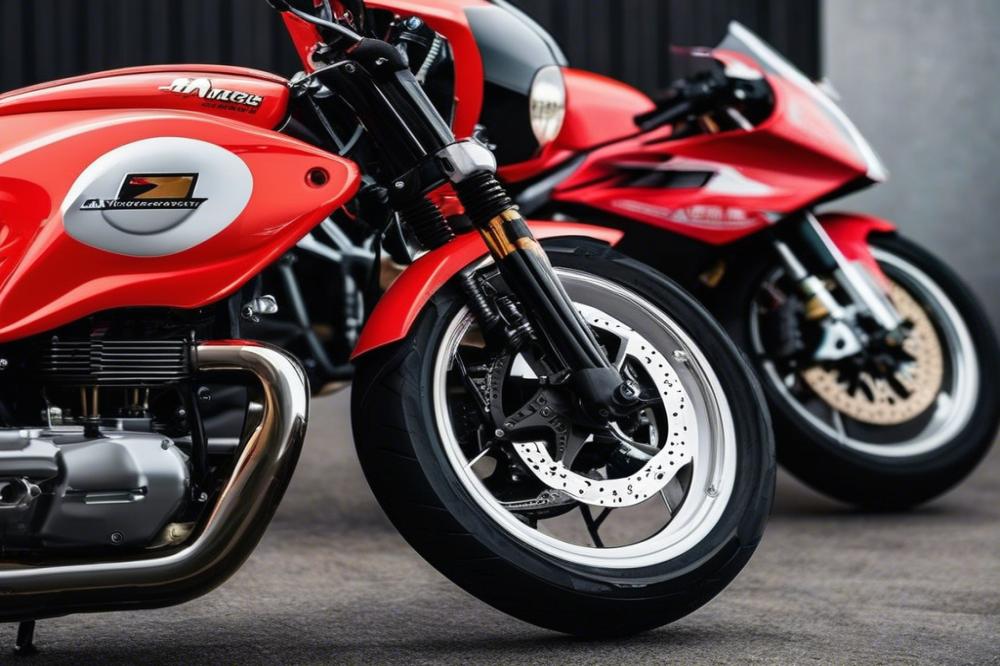
Diving into motorcycle ownership requires careful financial planning. A solid budget involves several elements. The purchase price should be your starting point. New bikes typically come with a higher sticker price, while used motorcycles might offer more flexible options.
Also, don’t forget about insurance. Motorcycle sales can often blindside first-time buyers with high premiums. Rates vary widely based on factors like model, your riding experience, and location. Be sure to obtain several quotes before committing.
Next, you’ll need gear. A helmet, jacket, gloves, and boots aren’t just accessories; they are essential for safety. These items can add a couple of hundred dollars to your initial purchase. Factor in maintenance costs as well. Regular upkeep is necessary for safety and longevity, and it can sometimes sneak up on you.
Fuel is another consideration. Sportier bikes might guzzle gas, while cruisers often have better mileage. Calculating a rough estimate of monthly fuel costs can keep your total expenses in check.
New versus Used Motorcycles
Choosing between a new and used motorcycle has significant financial implications. New bikes come with warranties but depreciate rapidly in the first few years. A used motorcycle may require more immediate repairs, but the initial savings can be substantial. In this realm, buying advice is invaluable. Don’t chase shiny models without considering reliability.
Another point worth noting involves potential hidden costs. If purchasing a used bike, always consider the condition. A neglected bike might seem like a steal but could turn into a costly burden. Case in point: that gorgeous vintage model may need significant restoration work.
Finding Financing Options and Payment Plans
Many first-time buyers look into financing options. If you lack upfront cash, motorcycle loans can spread the cost over time. Research various lenders to see what terms they can offer. Offerings vary from credit unions to large banks. Be sure to compare interest rates and repayment schedules.
Payment plans can also ease your budget woes. Some dealerships offer in-house financing with flexible plans. This can sometimes mean lower interest rates or special promotions. Always read the fine print to avoid unexpected fees.
In the end, setting a reasonable budget is essential. Preparing for all the expenses associated with owning a motorcycle will save you headaches later. Choosing wisely now can mean years of enjoyable riding down the road.
Physical Comfort and Fit
Finding a motorcycle that fits you is crucial. It’s not just about aesthetics; comfort can make or break your riding experience. Sit too high, and you might feel like you’re perched atop a giraffe. Sit too low, and it could feel like riding a tricycle. Proper fit offers confidence and control.
Measuring Seat Height, Weight, and Reach
Seat height is a primary consideration. If you can’t confidently touch the ground with both feet, you’ll struggle with balance. Generally, a good rule of thumb is standing next to the motorcycle and checking if you can comfortably place one foot flat on the ground. Next comes weight. Heavier bikes may intimidate new riders. An ideal first bike should feel manageable in weight. Keep an eye on the specifications; it’ll help you gauge if you can maneuver it easily.
Reach plays a pivotal role, too. When you sit on the bike, your arms should comfortably extend to the handlebars. If you’re stretching like a cat in yoga class, that’s a red flag. Try various models in stores or at motorcycle sales events. Adjust the mirrors to see if your vision remains unobstructed when you sit naturally.
Test Riding: What to Look For and Comfort Tips
Never skip the test ride. It’s like going on a blind date—important to know if it’s a good match. Pay attention to how the bike feels while you’re moving. Does it vibrate too much? Are the handlebars at a comfortable height? While riding, assess if you can easily shift your weight. This ensures better handling, especially when you’re turning.
Comfort tips include wearing your usual riding gear. If you’re unsure what it feels like to ride in jeans, don’t test the bike that way. Also, make sure to ride long enough to simulate real conditions. A few minutes might not reveal how the bike truly feels after an hour. Inquire about different models for buying advice; a knowledgeable salesperson can help navigate your concerns.
Chat with other riders about their experiences. They often have insights on models that provide greater comfort for beginners. Seasoned bikers can also share selling strategies for when it’s time to upgrade. Remember, choosing your first motorcycle is a blend of personal preference and practicality. Embrace the journey!
Safety Features and Gear
Key Safety Features to Look for in Your First Motorcycle
When diving into motorcycle sales, prioritizing safety features becomes essential. Look for anti-lock braking systems (ABS) as they significantly reduce the risk of skidding during sudden stops. Another feature of great importance is a solid frame. Motorcycles with a robust structure can handle impacts better. Also, traction control systems offer a safety net, especially for inexperienced riders navigating varied road conditions.
Moreover, LED lighting makes a world of difference, enhancing visibility during evening rides. Consider bikes equipped with crash bars, which provide extra protection in case of a tumble. It’s wise to choose models with a smoother power delivery; this can reduce unforeseen power surges that often intimidate new riders.
Essential Riding Gear: Helmets, Jackets, Gloves, Boots
Riding without proper gear is akin to walking a tightrope without a safety net. Helmets are non-negotiable; they protect your noggin and can greatly reduce injury severity in case of a mishap. Full-face options typically provide the best coverage. While shopping, look for DOT or ECE certification to ensure quality and protection.
A durable jacket made for riding offers both comfort and protection. Leather is a common choice but consider textile options for more versatility in weather conditions. Gloves are equally critical. They not only keep hands warm but also provide grip on the handlebars. Breathable materials help improve comfort during long rides.
Finally, don’t overlook the importance of sturdy boots. They should have reinforced toes and provide support around the ankles. Riding gear is a critical component, acting as the first line of defense for novice motorcyclists.
Role of Safety Gear in Protecting New Riders
Understanding the role of safety gear is vital when embarking on your riding journey. Think of it as your armor against the unexpected. Sometimes, the road throws curveballs, and having the right gear can make all the difference. Improper gear can lead to serious injuries, and we all know that riding should be about freedom and thrill, not regret.
While searching for how to choose your first motorcycle tips, remember that investing in safety gear is just as important as the bike itself. It’s not merely an accessory; it’s a shield. When the asphalt greets you unexpectedly, that helmet isn’t just a piece of plastic; it’s your guardian angel. Being a cautious motorcyclist is not about being alarmist; it’s about having the wisdom to ride with sense while enjoying the open road.
Gear up wisely, protect yourself, and unleash the thrill waiting in the wide-open world ahead.
Researching Brands and Models
When considering your first motorcycle, delving into popular brands and models can significantly influence your decision. Several manufacturers are frequently touted for their beginner-friendly offerings. Brands such as Honda, Yamaha, and Kawasaki often lead the pack, producing models designed with newcomers in mind. The Honda Rebel 500, Yamaha MT-03, and Kawasaki Z400 have garnered positive attention for their manageable power and responsive handling.
As you navigate this research, explore various reviews and ratings. Trustworthy motorcycle sales websites can be goldmines of information. Always look for insights from real users, not just what the marketing department said. You want the scoop on comfort levels, riding ease, and overall performance. Remember, one person’s perfect ride might feel like a bucking bronco to someone else.
Evaluating Reviews and Ratings
Make it a habit to cross-reference reviews. Some models may have glowing assessments online, yet you might find nitty-gritty details that reveal underlying issues in forums or community boards. Pay attention to recurring themes among feedback. If multiple reviewers mention that a bike struggles with low-speed handling, it’s worth taking note. Knowledge is power, especially when you soak in diverse opinions.
The Importance of Reliable Dealerships and Manufacturer Reputation
Finding a trustworthy dealership is crucial. The relationship you build there could make or break your first experience. Quality dealerships offer more than just sales; they provide support and guidance. Knowledgeable staff can provide invaluable buying advice and selling strategies, ensuring you ride off with confidence. Check their reputation in your community. Are they known for excellent service? Do their customers rave about post-purchase support?
In addition, understand that the manufacturer’s reputation matters. Consider how long they’ve been in the game and their track record regarding reliability and customer service. A well-established company with a strong history generally offers peace of mind. Issues can arise with any motorcycle, but a reputable manufacturer is more likely to have your back when it counts.
So, as you ponder how to choose your first motorcycle, remember that thorough research on brands and models, combined with diligent reading of reviews, will pave the way for a wise decision. Your bike should feel like an extension of yourself, not a burden. Choose wisely and ride safely!
Customizing Your Motorcycle
Basic Modifications for Comfort and Performance
When it comes to personalization, comfort is key. Upgrading the seat can make those long rides far more enjoyable. Consider options that provide extra cushioning or back support. Additionally, handlebar adjustments may enhance your posture, preventing strain during extended journeys.
Performance tweaks also deserve attention. Slip-on exhaust systems can improve sound and might even boost horsepower. Simple modifications like changing the air filter can lead to better airflow and engine efficiency. Remember, however, to strike a balance between comfort and performance; after all, a nimble bike can feel great, but only if you can stay in the saddle for more than ten minutes!
Understanding the Potential Warranty Implications
Before diving headfirst into motorcycle sales, it’s prudent to explore warranty conditions. Some manufacturers provide limited coverage that may be voided by modifications. Carefully read the fine print. Not all upgrades will impact your warranty, but certain modifications, such as engine changes, could lead to costly repercussions down the road.
Always clarify what’s permissible before making alterations. Consulting with your dealer or a trusted mechanic can save you from unexpected headaches. Nobody wants to find out their bike’s warranty is void after a simple tweak.
Importance of Maintaining the Motorcycle’s Integrity
Maintaining the integrity of your motorcycle is essential. Once you start customizing, it should still function as designed. Over-engineering components may lead to mechanical issues. Always keep safety in mind. If a modification compromises structural integrity, the joyride could quickly become troublesome.
Regular maintenance checks should not fall by the wayside as you modify. A well-kept motorcycle offers peace of mind, whether you’re on the highway or the city streets. Furthermore, paying attention to how your changes affect handling and stability cannot be overstated.
Taking these points into account helps ensure your experience remains enjoyable and safe. Each ride should be exhilarating, not nerve-wracking, and nothing undermines your enjoyment like a faulty part.
The Importance of Ongoing Education
Exploring Additional Training and Advanced Riding Courses
Many riders believe that passing the basic training course is sufficient. However, reality suggests that continuing education is vital. Advanced riding courses offer invaluable skills that build confidence and improve safety. These classes often cover cornering techniques, emergency braking, and hazard awareness. Participating strengthens your ability to navigate unexpected situations. After all, it’s akin to getting a cheat sheet for life’s curveballs.
Staying Informed About Motorcycle Skills and Safety
Understanding the nuances of motorcycle operation doesn’t stop after obtaining a license. Regularly seeking new knowledge keeps riders sharp and prepared. Engaging with materials such as articles, videos, and podcasts can enhance your skill set. Topics might range from maintenance tips to advanced braking methods. Familiarity with motorcycle safety gear is equally essential. Knowing what gear to wear is as important as learning how to ride. Stay curious; your safety depends on it.
Joining Motorcycle Communities for Support and Advice
Finding a community can make the journey more enjoyable (and less daunting). Involvement in local riding clubs or online forums can yield fantastic benefits. Fellow enthusiasts often share practical how to choose your first motorcycle tips and buying advice. The camaraderie found in these groups is unmatched; it’s like joining a family that shares your passion. Don’t underestimate the power of dialogue. Members frequently discuss selling strategies and experiences that may change your perspective. A simple question can transform into an enlightening conversation.
Final Thoughts on Your Motorcycle Journey
In summary, choosing your first motorcycle is a nuanced journey that involves several key considerations. Start by assessing your experience level, lifestyle needs, and personal preferences. Comfort should be paramount; after all, nothing ruins a thrilling ride quite like an uncomfortable seat. Additionally, do your homework on different types of bikes, from cruisers to sportbikes, and contemplate how they align with your riding goals. Remember to factor in not just the price of the motorcycle, but also the long-term costs associated with ownership.
Take your time with this decision. Buying a motorcycle is not merely a transaction; it’s an entry point into a vibrant community and a fulfilling hobby. Opportunities to connect with fellow riders are plentiful, so consider visiting local riding groups or forums. Sharing stories over a cup of coffee or attending meet-ups can spark lifelong friendships based on a shared passion for two wheels.
Furthermore, investing in enhanced safety gear is crucial. A good helmet, jacket, and protective gloves can make a world of difference, and your well-being should always come first on the open road. Ride safe, but also embrace the freedom and exhilaration that comes with being a motorcyclist. The wind in your hair and the rumble of the engine beneath you can create unforgettable moments. Just imagine the stories you’ll collect along your journey!
As you prepare to embark on this exciting adventure, take a moment to reflect on the joys that await you. The road is calling, and while your first motorcycle choice may feel daunting, think of it as the first chapter in a story filled with countless discoveries. Happy riding!