Understanding Your Selling Options
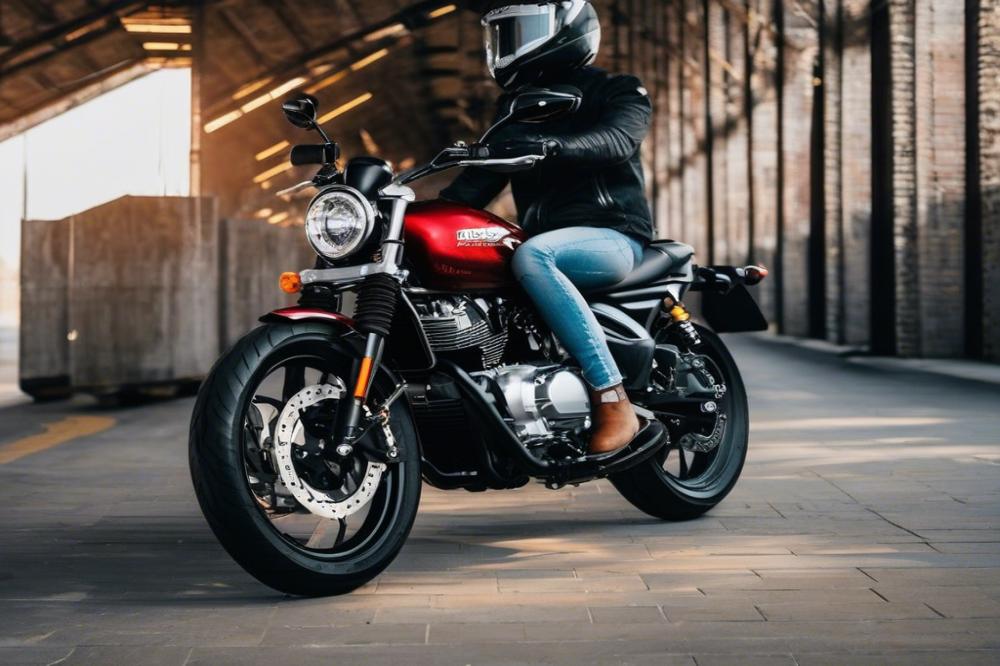
Motorcycle owners often face a crossroads when it’s time to part with their beloved two-wheeled machines. Should they turn to a dealer or seek out a private buyer? Each path offers its own set of opportunities and challenges, making the decision largely dependent on one’s individual circumstances. The world of motorcycle sales can be riddled with complexities, especially when navigating the nuances of different selling strategies. The key to achieving a seamless transaction lies in understanding these options—after all, knowledge is power.
The Audience at Hand
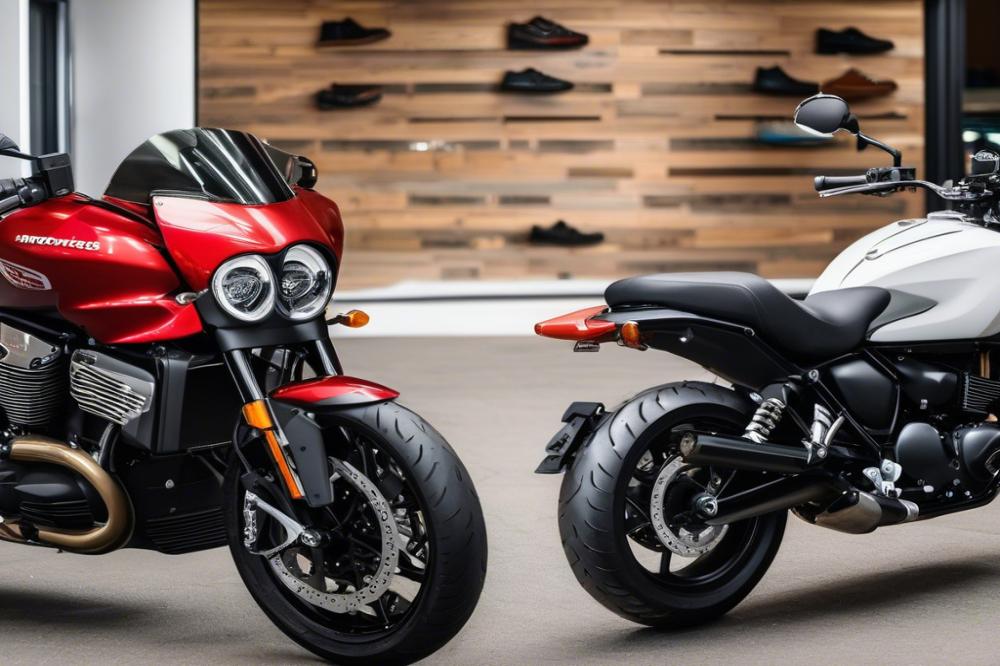
Individuals seeking to sell their motorcycles come from diverse backgrounds. Whether you’re a weekend warrior looking to upgrade to a newer model or perhaps a novice attempting to make room in the garage for that vintage bike you’ve been eyeing, your motivations can influence the selling process. Circumstances vary; some may need quick cash due to unforeseen expenses, while others might favor taking their time to fetch a better price through patient negotiations. Recognizing these ulterior motives is imperative during motorcycle sales, as it allows for tailored approaches.
Grasping the Importance of Choices
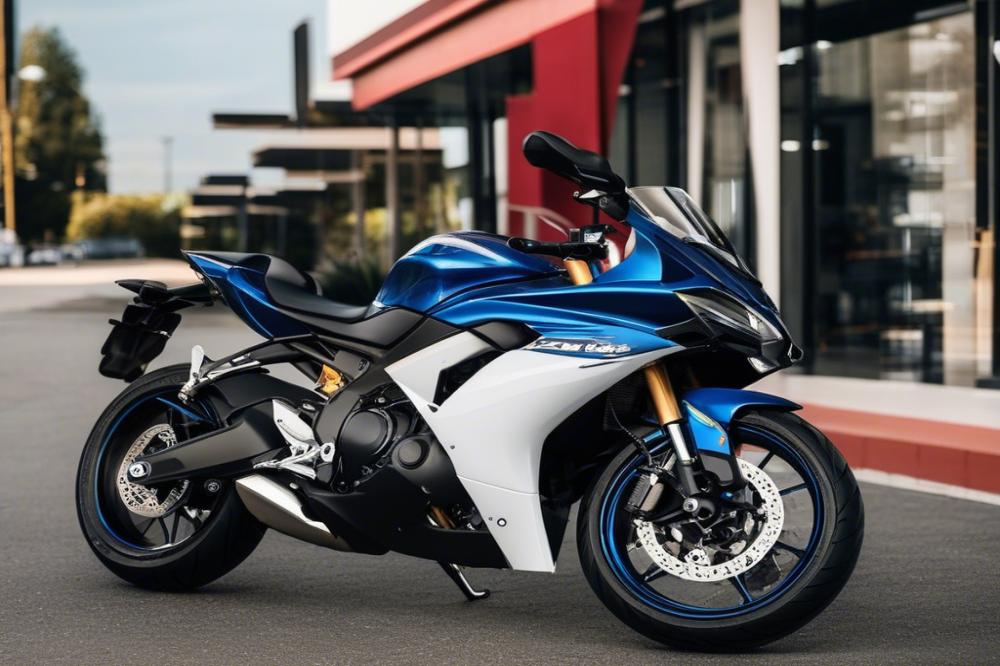
Pondering the differences between selling to a dealer versus engaging with a private buyer is no mere academic exercise. This understanding can significantly impact the outcome of your sale. Dealers often provide convenience. When that motorcycle device you’ve cherished for years no longer serves your needs, they can swiftly assess its value and cut you a check, sometimes with minimal hassle. But beware—quick fixes often come at a price. Private sales may demand more time and effort, yet they afford the potential for higher returns if approached correctly.
Setting the Stage
Conversations with potential buyers can unfold like a game of chess, with both parties contemplating moves and counter-moves. Implementing effective selling strategies hinges on keen observation and adaptability. As you weigh options, consider the kind of buyer you wish to attract. Retail dealerships typically cater to those seeking instant gratification, while private buyers may possess a keen eye for detail and value. These selling to a dealer vs private sale tips may be the beacons guiding you toward clarity.
In Conclusion
Ultimately, clarity in your objectives will steer your decision-making. Each selling route presents its own peculiar quirks and potential for profit or loss. Navigating motorcycle sales doesn’t have to be fraught with confusion or anxiety. With a well-thought-out plan and sound buying advice, you can confidently embark on your selling journey, knowing that you’re equipped to face whatever comes your way.
Understanding the Selling Process
When it comes to selling your motorcycle, the distinction between working with a dealer and engaging in a private sale deeply influences the experience. Selling to a dealer typically involves a streamlined process, whereas a private sale demands more effort from you.
Sales to a Dealer
Initially, you’ll want to assess your motorcycle’s value. Many dealerships provide quick appraisals, which can be completed in a matter of minutes. This method often leads to immediate cash offers, giving you the financial turnaround you desire. Keep in mind, dealers may offer less than private buyers, as they need to account for their profits.
After appraising, you usually sign over the title and complete some paperwork. Dealers handle the transaction’s legalities, which can feel like a breeze. Overall, you might expect the entire process from appraisal to cash in hand to occur within a day or two.
Private Sales
Conversely, engaging in a private sale requires patience and persistence. The first step involves preparing your motorcycle for listings, which might include cleaning and tuning. In the world of motorcycle sales, this preparation can make all the difference. Listing your bike takes various forms: online marketplaces, social media, or community boards.
Once your motorcycle is listed, the waiting game begins. Interest from potential buyers may not pour in immediately. Responding to inquiries and coordinating viewings can be time-consuming. When an interested buyer comes knocking, you’ll likely negotiate terms. Keep your best selling strategies in mind during this phase; being open yet firm helps secure a good deal.
Once you finalize a sale, both parties typically meet to exchange the motorcycle and payment. This part of the private sale process can be a mixed bag; sometimes, buyers don’t show, or they come equipped with unreasonable offers. Overall, a typical private sale may take several weeks or even months. Having this in mind serves as a useful piece of buying advice.
Timeline Expectations
Ultimately, selling to a dealer generally provides quicker resolutions. Expect a few hours to a couple of days for the entire process. In stark contrast, private sales can stretch into weeks or months. The duration may vary based on market demand, your motorcycle’s appeal, and your negotiative prowess. With effective selling to a dealer vs private sale tips, you can navigate whichever route you choose with greater clarity and purpose.
Advantages of Selling to a Dealer
Convenience is possibly the greatest advantage when selling to a dealer. No one wants to spend hours haggling over price, especially when there is a simpler route available. In a world where time is precious, a dealer can offer an efficient and streamlined transaction process. You can walk into a dealer, showcase your motorcycle, and leave with cash in hand in record time.
Further, negotiations can be a real headache. Engaging with potential buyers often involves back-and-forth discussions that can last days or even weeks. By contrast, dealers typically have a fixed offer, eliminating the drawn-out bargaining game. They set their prices based on market research, which can accelerate the entire selling process.
Immediate payment is another compelling factor. Most dealers are prepared to provide payment on the spot, allowing you to avoid the awkward wait that often accompanies private sales. You hand over the keys, they hand over the cash—simple as that. Who wouldn’t want such an uncomplicated transaction?
Paperwork is often the nemesis of private sales. Titles, bills of sale, and all the legal mumbo jumbo can cause headaches for those unfamiliar with the process. Dealers usually handle all the necessary documentation. Their experience in motorcycle sales means your title transfer will be executed properly, freeing you from future complications.
Additionally, selling to a dealer can elevate peace of mind. For those wary of scams or untrustworthy buyers, this option provides a level of security. A dealership has a reputation to uphold, so they are less likely to engage in fraudulent behavior. This environment can feel much safer for individuals reluctant to venture into the world of private sales.
Another key benefit comes in the form of time-saving. When you consider the various selling strategies, dealing with a dealer often proves to be the most efficient. No lengthy waiting periods for buyers to decide whether they want to seal the deal. Instead, you can move on quickly to your next adventure.
Always keep in mind that selling to a dealer may not yield the highest price point compared to private sales. However, the trade-off can be well worth it. Quick resolutions and hassle-free payments can outweigh the potential for a slightly higher profit margin down the line. For buyers looking for solid buying advice, working with a dealer can also facilitate a smoother transition into their new motorcycle.
Disadvantages of Selling to a Dealer
When opting for motorcycle sales through a dealership, anticipate a significantly lower sale price compared to a private sale. Dealers often operate with tight margins. They must account for overhead costs, which naturally gets passed onto you. Selling strategies that favor dealerships typically marginalize your profits.
Control over the selling process is markedly diminished. Dealing with dealers may feel more transactional and less personal. You might find yourself at the mercy of their valuations, which can be frustrating. The negotiations may lack the flexibility you experience with private buyers.
Additionally, emotions can play a role. Buyers who are passionate about motorcycles might offer more than just cash; they bring enthusiasm. A dealer, on the other hand, may see your cherished bike as just another unit to flip for profit. This emotional disconnect can leave you feeling undervalued.
Moreover, quick sales might lure you in, but consider what you’re sacrificing. If you’re in a rush, remember: any haste can lead to poor decision-making. Take a step back; wouldn’t you prefer to maximize your return? This aspect is crucial in your motorcycle sales journey.
Furthermore, the dealer’s offer might come with strings attached. They might request warranties or additional services that could further eat into your profit. Filtering through these layers can become tiring, detracting from the excitement of selling. Be wary of what you compromise on.
Buying advice often revolves around securing the best price. Therefore, let’s not forget the balance of convenience versus returns. In evaluating selling to a dealer vs private sale, weigh your options carefully and keep your financial goals in sight.
Advantages of Private Sale
One significant advantage of engaging in a private sale is the potential for a higher sale price. Dealerships often need to markup the price to cover their overhead costs. Individuals selling directly to buyers can sometimes avoid this price inflation, resulting in an overall better financial outcome.
Building a personal connection with prospective buyers can make a considerable difference. When selling motorcycle sales privately, the emotional aspect often can lead to a smoother negotiation process. Interested buyers who feel a sense of connection are more likely to agree to a price that reflects the true value of the bike.
Having better control over the sale and its terms is another essential benefit. Unlike the rigid policies of a dealership, private sales allow the seller to set their conditions. This flexibility can lead to a more tailored approach to selling, which can enhance the overall experience for both seller and buyer.
Private buyers may also be less influenced by market fluctuations than dealerships. By offering transparency in the motorcycle’s history and condition, sellers can foster trust. That trust often translates into a willingness to pay a premium, benefiting the seller.
Negotiating terms directly with buyers means that the seller can adjust according to the interest level. If a buyer is particularly excited about a motorcycle, one might even negotiate additional perks like warranties or accessories, which can motivate a sale more effectively than a simple transaction at a dealership.
Sellers have the bonus of leveraging their unique knowledge about the motorcycle. Enthusiasts can share anecdotes and experiences that ignite the buyer’s passion. Personal testimonies can make the bike feel less like a commodity and more like a coveted item.
Utilizing effective selling strategies is crucial in private sales. Providing buying advice based on the seller’s experiences can significantly influence a buyer’s decision. It positions the seller as an authority, which may lead to quicker negotiations and a satisfying sale.
The freedom to choose how to market the motorcycle adds another layer of control. Social media platforms, online marketplaces, or local communities can reach the right audiences efficiently. Each channel offers a different type of engagement and can attract serious buyers looking for a good deal.
Maintaining a personal approach allows sellers to showcase their character. Humor and genuine enthusiasm during negotiations can break the ice. A buyer, smiling and feeling at ease, might be more inclined to meet the asking price.
It’s worth mentioning that closing a sale privately can often happen more quickly than anticipated. Enthusiasts looking to make a purchase are typically well-informed and eager to finalize a good deal. The act of connecting over a shared interest in motorcycle culture can motivate quick decision-making.
Disadvantages of Private Sale
For many, a private sale can quickly devolve into a time-consuming process. Endless inquiries from interested parties can feel like an unending carousel. If you’re not equipped with strong negotiation skills, getting a fair price may seem nearly impossible. Conversations can stretch on, filled with back-and-forth exchanges that test your patience.
Time wasters abound, too. It’s all too common to encounter individuals who have little intention of following through with a purchase. These moments can leave sellers feeling frustrated and disheartened, particularly when genuine buyers are overshadowed by those simply kicking tires. The art of selling strategies becomes vital here, as managing inquiries effectively can help filter out the serious buyers from those just window shopping.
Additionally, the potential for scams looms large in the realm of private sales. In an age where digital communication reigns supreme, discerning genuine connections from deceitful schemes is crucial. Scammers may use phishing tactics or other dubious methods, making it imperative to remain vigilant. Trusting one’s instincts plays a key role in navigating these murky waters.
For motorcycle sales, the importance of careful vetting cannot be overstated. Each conversation should feel like a chess match, where you anticipate the next move of the buyer. Moreover, arranging viewings can be a logistical nightmare. Your schedule may not align with prospective buyers, leading to cancellations or rescheduling that taxes your already limited time.
Buying advice is often incomplete when it comes to private sales. Sellers might find themselves unprepared for questions that delve into the vehicle’s history or condition. Understanding every nuance of your motorcycle can lead to better responses during negotiations. Your success hinges on being an informed seller.
Lastly, the emotional toll of a private sale can be significant. The desire for a quick outcome often collides with the complexities of human interactions. Selling to a dealer vs private sale tips suggest that dealing with the professionals might just be less messy. Sometimes you just want to offload an item without complicated drama.
Factors to Consider When Choosing
Assessing the condition of your motorcycle is paramount before making a decision. Scratches, dents, or mechanical issues can drastically influence your selling strategy. Consider performing a thorough inspection. An excellent way to evaluate your bike’s worth is to consult a trusted mechanic. Any discrepancies in its condition could diminish your negotiation power, especially if you pursue a private sale.
Market demand and pricing cannot be overlooked. Research similar models to gauge the going rates. Factors such as brand, age, and modifications will also factor into the price. Websites like Kelley Blue Book often provide reliable assessments. Knowing what buyers are willing to pay can help you strategize effectively, whether you are contemplating selling to a dealer or opting for a private sale.
Personal circumstances may greatly dictate your selling approach. If you’re in a hurry, selling to a dealer often provides quick cash. However, the trade-off can be a lower offer. On the other hand, if you’ve got time to spare, a private sale might fetch a higher price. Weighing your urgency against potential profits is crucial in deciding the best route. After all, time can be as valuable as money.
Consider your emotional attachment to the motorcycle. Sentiment can cloud judgment, leading to unrealistic expectations in negotiations. When selling to a dealer, remember they typically see hundreds of bikes. They’ll be more focused on the business side of things. Thus, understanding their perspective can make discussions more straightforward and productive.
Evaluate your target audience for motorcycle sales. Are you aiming for enthusiasts who appreciate unique modifications? Or perhaps you’re looking for a first-time buyer who needs reliable transportation? Tailoring your selling strategy to the audience can significantly impact your effectiveness. This is one of those selling to a dealer vs private sale tips that can make all the difference.
Lastly, be mindful of external factors like seasonal trends. Riding seasons often affect the demand for motorcycles. Listing your bike in warmer months might attract more buyers. Conversely, a winter sale might find limited interest. Timing, alongside thoughtful preparation, can influence both your selling strategy and the overall outcome.
Preparing Your Motorcycle for Sale
Cleaning your motorcycle begins with a thorough wash. Soap and water work wonders here. Don’t forget to address the wheels and undercarriage; dirt there can be a dealbreaker. After the wash, a detail spray can add an impressive shine. Investing some elbow grease pays off by enhancing the bike’s appeal.
Next on your checklist should be maintenance. Change the oil if it hasn’t been done in a while; fresh oil signals care. A well-tuned engine can make a significant difference in buyers’ perceptions. Inspect the brake pads and tires, too. Wear and tear can often become negotiation points. Address minor repairs before showing the bike to potential buyers.
Visual appeal goes beyond cleanliness and mechanics. Stock accessories that elevate the motorcycle can catch the eyes of interested parties. Consider cleaning or polishing chrome parts. Even small enhancements create a more inviting look. Remember, a well-presented bike tells a story about how it has been cared for.
Gathering necessary documents is another vital step in the process. Proof of service history is essential; it validates your claims of maintenance. Title and registration should be easily accessible. Potential buyers appreciate transparency, and having everything on hand adds credibility. Photocopies of your title may also be beneficial during negotiations, especially when discussing terms with dealers.
Don’t overlook the importance of service records. A well-documented history can bolster trust in motorcycle sales. Buyers often look for evidence of high-quality care. Familiarize yourself with the features of your bike, as well. Being knowledgeable about specifications helps you answer potential questions confidently.
Finally, consider your intended audience. Selling to a dealer vs private sale tips can guide your conversation strategy. Understand buyers’ needs, especially if they’re looking for specific features. Knowing your bike’s selling points gives you an edge in negotiations. Present your motorcycle with enthusiasm; passion is contagious.
Marketing Your Motorcycle for Private Sale
Promoting your motorcycle effectively can make a considerable difference in your sales experience. Think of it as casting a wide net; the more you broadcast your offering, the more potential buyers will see it. Online platforms have revolutionized motorcycle sales, providing an avenue to reach a diverse audience. Social media, classifieds, and specialized motorcycle forums can all play a pivotal role in your selling strategy.
Using Online Platforms and Local Classifieds
Engaging with online marketplaces such as Craigslist, Facebook Marketplace, or dedicated motorcycle sales sites can widen your reach dramatically. Each platform has its own unique user base, which can help you target specific demographics. Remember to check your local classified ads as well; traditional mediums can sometimes yield surprising results.
Reaching out to motorcycle clubs or community groups online is another clever method. These forums often attract enthusiasts who know what they want. Posting your listing there can generate serious interest.
Creating Appealing Listings
A successful listing begins with compelling photos. High-quality images, shot from multiple angles, showcase your motorcycle’s best features. Illumination is crucial; natural light works wonders here. Consider capturing the minor details, too, like the dashboard and tires. Those elements can aid in conveying the motorcycle’s condition accurately.
Descriptive language elevates your listing further. Craft a narrative around your motorcycle, highlighting its history. Mention any upgrades or unique features that might set it apart from others on the market. Capturing the essence of the ride can help buyers envision themselves revving it up on the road.
Effective Selling Strategies
When crafting your listing, utilizing keywords relevant to motorcycle sales is essential. Phrases like “well-maintained” or “low mileage” can draw attention. Be straightforward but engaging; customers appreciate authenticity. Respond quickly to inquiries and keep communication open. A swift response can be your golden ticket to sealing the deal.
Tap into local motorcycle events as well; exhibiting your bike at local shows can generate visibility. Buyers appreciate hands-on experiences, and a live demonstration can ignite interest. Such opportunities also facilitate networking with other sellers and buyers alike.
Lastly, price your motorcycle competitively while remaining realistic. Research similar listings to gauge the market value accurately. Clear pricing helps manage buyer expectations. It can be a fine balance; however, fair pricing combined with effective marketing can lead to a swift sale.
Final Thoughts on Selling to a Dealer vs Private Sale
When considering whether to pursue selling to a dealer or opting for a private sale, one must weigh various factors. Each approach comes with its own set of advantages and challenges. Rapid transactions often characterize dealings with dealers, allowing sellers to offload their motorcycle quickly. Conversely, private sales offer the chance for potentially higher returns, especially for well-maintained bikes.
It’s crucial to consider personal priorities before making a decision. Do you value speed over the final sale price? If quick cash is your primary goal, dealing with a motorcycle dealer might be the way to go. On the flip side, for those willing to invest time and effort, private sales often yield better financial outcomes.
Selling strategies can also depend on the type of motorcycle being sold. Enthusiasts may appreciate specific models and variants, which can make a private sale more appealing. Meanwhile, a dealer’s expertise in the market can facilitate a smooth transaction, especially for less common bikes. Having clarity on your motorcycle’s value through pricing guides or appraisal services can aid you, regardless of your chosen route.
Buying advice is equally important in this context. Researching market trends can give insight into what type of sale makes sense for your situation. If you find yourself in a hurry, note that dealers usually streamline processes, handling paperwork and negotiations for you. This allows for peace of mind; however, one must remember that convenience often comes at a price.
In conclusion, the decision ultimately hinges on individual circumstances. Time, financial goals, and emotional attachment to the motorcycle in question all play roles in shaping your approach. Reflections on personal priorities are essential as you navigate this process. Remember the selling to a dealer vs private sale tips mentioned to aid your decision-making. With careful deliberation, you’ll find a path that aligns with your needs.
Final Thoughts on Dealer vs. Private Sales
Navigating the world of motorcycle sales can feel like trying to ride a bike uphill—challenging but rewarding if you stick with it. Both selling to a dealer and opting for a private sale come with their own set of benefits and drawbacks. On one hand, dealers often offer you quick cash and the convenience of handling paperwork on your behalf—a tempting proposition for those who prioritize immediacy and peace of mind. Yet, this convenience comes at a price, often resulting in a lower offer compared to what one might achieve in a private sale.
Conversely, engaging in a private sale may take longer and demand more effort, from creating compelling advertisements to meeting potential buyers for test rides. However, many sellers find the hard work pays off, as they can retain a robust portion of their motorcycle’s value. Think of it as baking a cake: while the dealer option might give you a quick slice, the private sale route requires you to mix the ingredients, but you get to enjoy the whole dessert at the end!
Considering each path’s attributes, your personal circumstances will significantly influence the decision. If time is of the essence or you’re feeling overwhelmed, a dealer could serve as a useful navigation tool in your selling process. On the other hand, if you have the luxury of time and desire a potentially better price, rolling the dice with a private sale might be the way to go.
In summarizing the discussion, potential sellers should ask themselves key questions. Is your priority speed, or do you prefer a better return on your investment? Are you comfortable with negotiation, or would you rather avoid it altogether? Balancing these factors will ultimately lead to the best decision tailored to your individual needs.
As a final piece of buying advice, reflect on what aligns best with your lifestyle and preferences. Selling a motorcycle is not just a transaction; it’s a step towards your next adventure. Choose wisely, and you might just find the process to be as thrilling as the rides you’ve taken on that two-wheeled companion!