The Role of Coolant in Motorcycle Maintenance
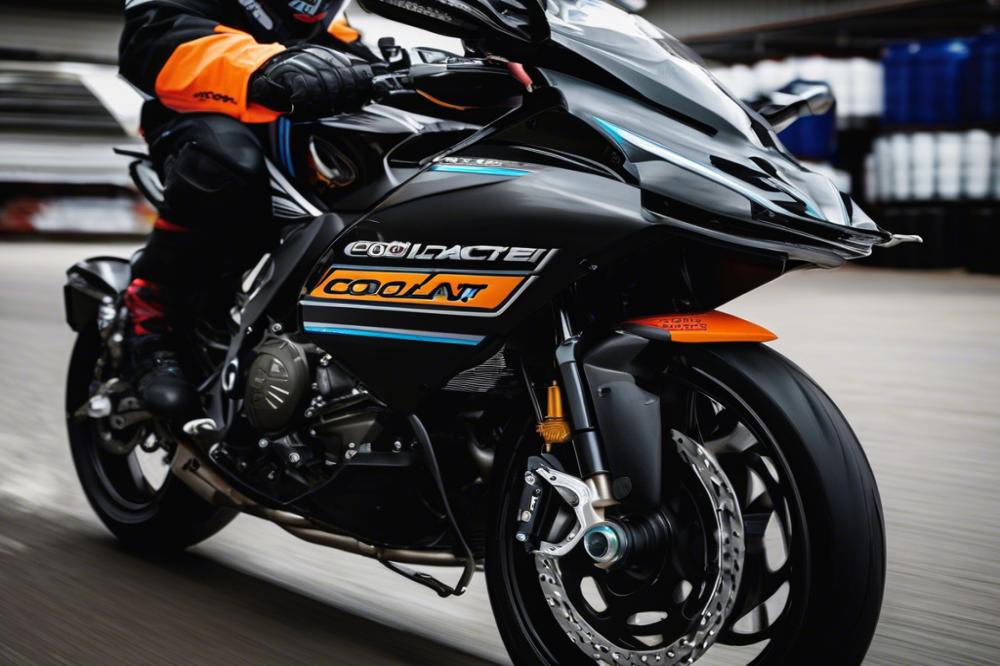
When it comes to maintaining your bike, one often overlooked hero is the liquid that keeps its engine cool. Coolant plays a critical role in your motorcycle’s health, acting much like a guardian angel by regulating temperatures, preventing overheating, and safeguarding various engine components against wear and tear. Without proper coolant, you might as well invite an unwelcome inferno into your bike’s heart!
A Glimpse at Coolant Types and Their Functions
Diving deeper into the world of fluids, you’ll encounter a variety of coolant types, each with its own unique characteristics. Ethylene glycol and propylene glycol are two of the primary players on this stage, ensuring your engine operates smoothly by absorbing and redistributing heat. These fluids not only enhance temperature control but provide corrosion protection for critical parts, making them essential for long-lasting motorcycle care. By choosing the right coolant, you are investing in the longevity and performance of your beloved two-wheeled companion.
The Objective of This Article
As we journey through this article, we aim to illuminate the myriad coolant benefits, teasing apart the information you must consider when selecting your bike’s lifeblood. Expect a blend of maintenance tips flavored with practical advice. Whether you’re a seasoned rider or a novice enthusiast, understanding how to protect your motorcycle is pivotal. Just like you wouldn’t send your child into a snowstorm without a coat, do not venture out on the road without ensuring your motorcycle’s protective measures are in place. So, grab your metaphorical helmet; we’re setting off on a comprehensive exploration of cooling solutions, perfectly timed even for the climate of your understanding. So, buckle up, and let’s make your bike the coolest of them all!
Understanding Motorcycle Cooling Systems
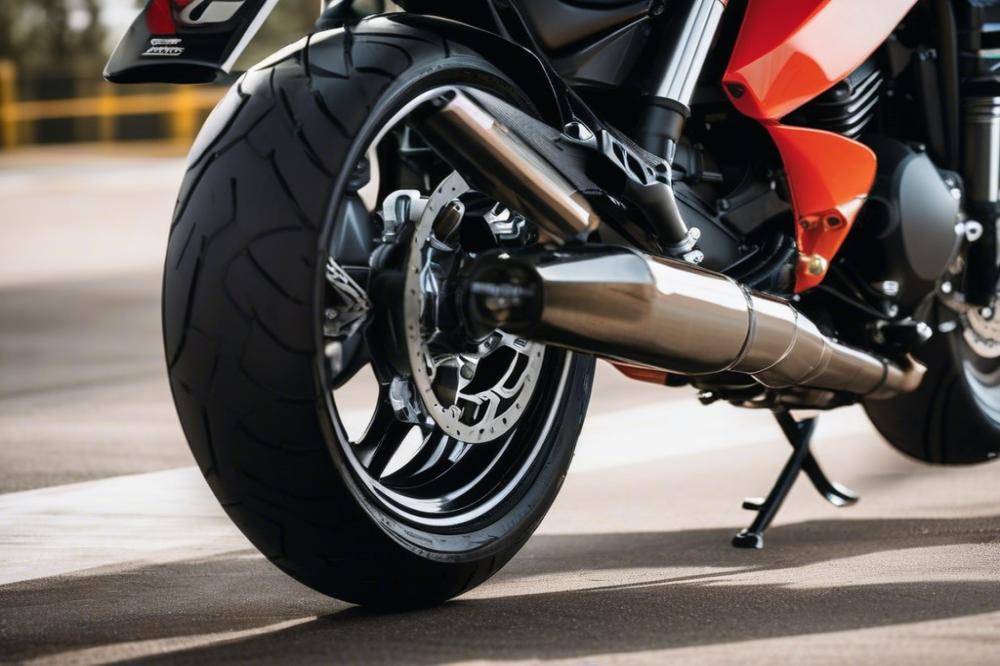
Motorcycle engines generate a significant amount of heat during operation. Combustion within the engine creates intense temperatures that, if left unchecked, could damage critical components. This is where cooling systems come in to save the day, acting like a refreshing breeze on a hot summer afternoon.
Liquid Cooling vs Air Cooling
When it comes to cooling methods, two main types dominate: liquid cooling and air cooling. Air-cooled engines rely on ambient air to dissipate heat. As the bike moves, air flows over the engine, carrying heat with it. However, this method may be less effective in stop-and-go traffic or during slow rides. Riders can liken it to sweating in the sun when there’s no wind.
On the flip side, liquid-cooled engines use a liquid coolant to regulate temperatures. This method tends to be more efficient, enabling motorcycles to maintain optimal operating conditions, even during long rides. Picture it as a well-ventilated room versus a stuffy one; the room with airflow provides a more comfortable environment.
The Role of Coolant in Maintaining Engine Temperature
Coolant plays a crucial role in the motorcycle’s overall operation. This fluid circulates through the engine and radiator, absorbing heat from critical areas. It then transfers the heat away, preventing the engine from overheating, which is a vital part of motorcycle care. Maintaining proper levels is essential for the bike’s protection.
Regular maintenance checks can help keep the coolant in optimal condition. Coolant benefits include preventing corrosion and facilitating efficient heat transfer. A rider equipped with good maintenance tips knows that a well-cooled engine can improve performance and extend the lifespan of their machine. After all, no one wants to be stranded on the side of the road due to an overheated engine.
If cyclists compare their motorcycles to a well-tuned orchestra, the cooling system resembles the conductor. Without proper temperature management, the entire engine could fall out of harmony. Ultimately, understanding these cooling systems allows riders to make informed decisions about their motorcycle’s needs, helping them enjoy the open road without a hitch.
Types of Motorcycle Coolants
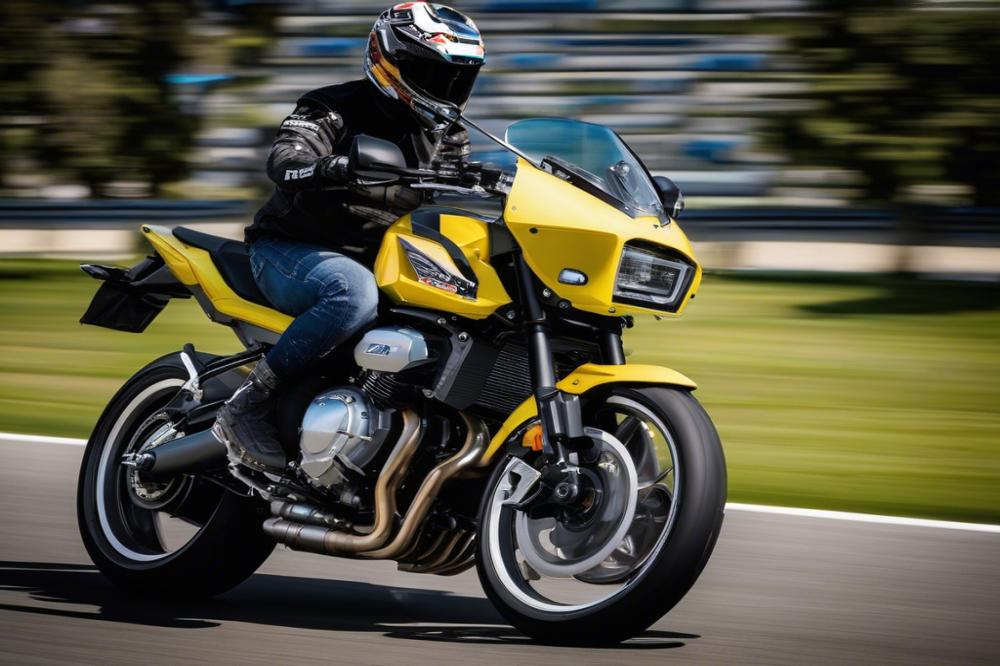
Ethylene Glycol Based Liquids
Ethylene glycol is a common choice for many motorcycle enthusiasts. This type effectively lowers the freezing point and raises the boiling point, which proves advantageous in various climates. Riders appreciate the long-lasting nature of this option; it often contains corrosion inhibitors that provide bike protection as well. However, one must exercise caution. Ethylene glycol is toxic and should never be ingested. It can be deadly to pets too, so proper handling is crucial in motorcycle care.
Propylene Glycol Based Liquids
Propylene glycol serves as another alternative, gaining popularity for its non-toxic properties. This is especially beneficial for those who wish to prioritize safety without sacrificing performance. Many riders report favorable coolant benefits, including effective heat dissipation. Working well in both air-cooled and liquid-cooled systems, this option can enhance engine performance. It’s wise to remember, though, that while safer, it may not offer the same anti-freeze capabilities in extreme conditions when compared to its ethylene-based counterpart.
Water-Based Coolants and Their Benefits
Water-based solutions also attract attention among conscientious riders. Naturally, water has exceptional thermal conductivity, making it an excellent cooling agent. When combined with additives, these solutions can minimize corrosion and improve the cycle’s efficiency. Some enthusiasts swear by DIY mixtures that keep costs low while maintaining adequate protection. Always remember that using straight water can lead to rust and mineral build-up, which can cost dearly in the long run. Maintenance tips for these systems often emphasize the importance of regular checks to maintain optimal levels.
Striking a balance between effectiveness and safety is crucial. Choosing the right type enhances longevity and performance, ensuring your bike remains in top shape. With these dynamics in mind, riders are better equipped to make informed decisions. Picking the appropriate coolant means engaging in more than just a routine check; it’s about achieving peak motorcycle performance while keeping safety at the forefront.
Choosing the Right Coolant for Your Motorcycle
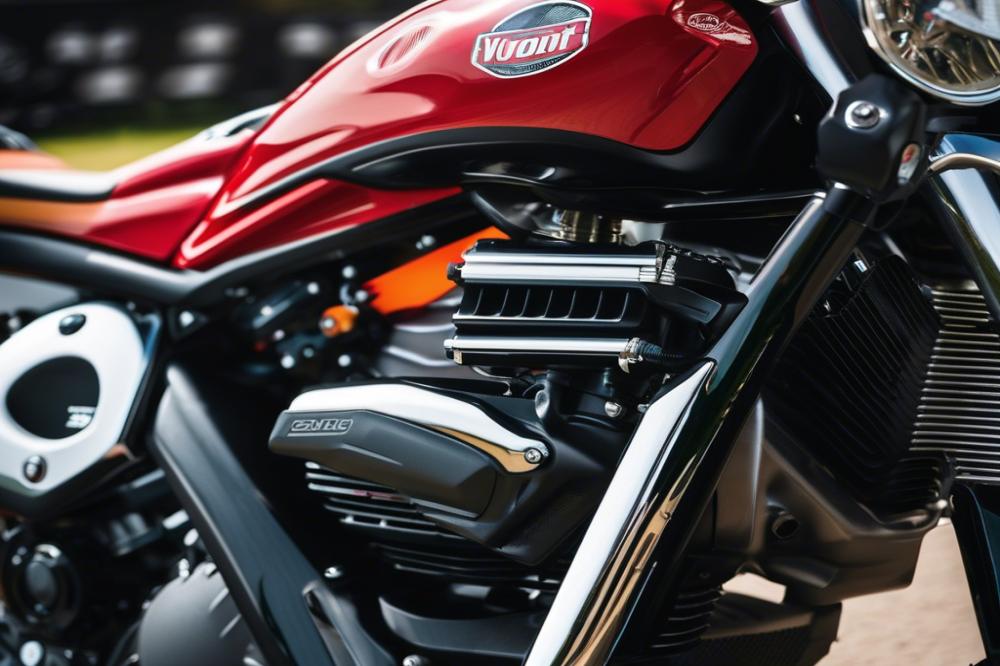
Manufacturer Recommendations
When embarking on your motorcycle maintenance journey, one cannot overlook manufacturer recommendations. They possess invaluable insights, having tested their machinery under various conditions. Trusting the guidelines provided by bike manufacturers may save you from potential mishaps. Each motorcycle is engineered with specific designs in mind, leading to unique cooling requirements. Neglecting these details may lead to overheating and damage. Following the prescribed coolant types and formulations is paramount. While it may seem mundane, adhering to these recommendations truly enhances your motorcycle’s longevity. Check your owner’s manual; it’s like a treasure map leading you to invaluable maintenance tips.
Climate Considerations
Climate plays a crucial role in your coolant selection process. Riding up a mountain pass on a crisp morning introduces cooling needs that differ from those of sweltering summer afternoons. In hot areas, a coolant with better heat dispersal capabilities is ideal. Conversely, if you’re navigating icy roads, antifreeze properties become essential for preventing engine freeze-up. Generally speaking, those who reside in diverse climates should opt for a versatile solution. Think of your motorcycle as a chameleon, needing to adapt to the surrounding environment. This adaptability ensures bike protection during seasonal transitions.
Riding Style and Performance Needs
Your riding style influences the coolant you choose, too. Whether you prefer leisurely Sunday rides or aggressive track days, your bike’s performance dictates its cooling needs. For sport riders, high-performance coolants that maximize thermal stability are vital. Anticipating higher engine temperatures demands a solution built to withstand such conditions. Sunday cruisers, on the other hand, may require something less aggressive. Consider how often you ride and in what manner; your choices affect your motorcycle care decisions. Envision yourself navigating twists and turns versus cruising along the coast. Each scenario presents its own set of cooling needs and challenges.
Combining various factors is necessary for optimal results. Manufacturer guidance, climate specifics, and riding style should all harmoniously converge. Grasping the nuances in coolant selection lays the foundation for better bike performance and longevity.
Coolant Additives and Their Importance
When it comes to bike protection, not all fluids are created equal. Additives play a critical role in elevating the performance of your coolant. Acting as unsung heroes, these ingredients work tirelessly behind the scenes to fend off trouble. Understanding their role is vital, especially for those keen on motorcycle care.
Corrosion Inhibitors
Corrosion can be a silent killer, slowly eroding essential engine components over time. Enter corrosion inhibitors—these additives help prevent rust and scale, which can wreak havoc on critical parts. Think of them as the bodyguards of your engine, shielding metal surfaces from exposure to moisture and chemicals. Without such protection, you might find yourself facing costly repairs down the line. Using a product rich in these inhibitors offers significant coolant benefits, extending the lifespan of your motorcycle.
Anti-Foaming Agents
No one enjoys a good bubble bath when it comes to engine performance. Foam can disrupt the proper flow of coolant and reduce its cooling efficiency. Anti-foaming agents keep this unwanted frothy mess at bay, ensuring that the fluid moves smoothly throughout the system. Picture a traffic jam caused by abrupt stops—no one gets anywhere fast. By minimizing foam, these agents help maintain optimal temperatures, preventing overheating and allowing your bike to run like a well-oiled machine. Implementing this maintenance tip can save headaches later.
Color Indicators and What They Mean
Ever wondered why coolants come in different colors? Those vibrant hues serve more than just aesthetic purposes. Color indicators often reflect the type of additive technology used. For instance, green fluids typically contain ethylene glycol, while orange varieties may suggest organic acid technology. It’s like a secret code that can inform you about the coolant’s longevity and protection capabilities. It’s surprising how much color can reveal! When you choose the right shade, you’re not just riding in style; you’re also choosing an effective engine shield.
Signs Your Coolant Needs Changing
Overheating Engine Symptoms
When the engine starts to overheat, it’s like a warning light flashing in your mind. Are exhaust temperatures rising too high? This could signify an underlying issue with your coolant. Feelings of despair? You’re not alone. Many motorcycle owners experience this scare. Pay attention to unusual smells, such as a sweet, syrupy scent wafting from under the hood. That aroma can be a telltale sign that your bike is begging for assistance.
In some cases, riding suddenly feels less smooth than usual, as if the engine is laboring. Trust the engine’s signals. An overheating engine can lead to catastrophic failure if ignored, resulting in costly repairs. Regular checks of temperature gauges can save you from those dreaded moments of panic.
Discoloration or Contamination of Coolant
Examine the liquid in your system closely. Is it supposed to be a vibrant green or a transparent amber? If you notice a murky or rusty hue, it’s time for a change. Contaminants can sneak in and wreak havoc, resembling unwanted guests at a party. Particles floating around don’t belong there, no more than a disco ball at a funeral.
What if the substance resembles a weird goo instead of a clear fluid? That’s a clear sign of contamination. A healthy coolant should be devoid of sediment or sludge. This discoloration diminishes its protective abilities, sacrificing the bike’s welfare in the process. Given that care for your machinery is paramount, don’t ignore visual signs—that’s your ride begging for attention!
Coolant Level Checks and Maintenance Tips
Checking the level is simple. Start by making it a part of your motorcycle care regimen. Open the bike’s hood, and peek into the reservoir. If it’s low, you’re experiencing one of the first signs that coolant benefits are waning.
Consider using a dipstick to accurately gauge levels if your bike has one. Did you know that letting your coolant dwindle can lead to undue stress on the engine? It’s akin to running a marathon without adequate hydration. Keep the list of maintenance tips handy: always top off the coolant, and flush it as recommended by the manufacturer. You wouldn’t want stale air or rust to corrode your ride’s heart.
Routine inspection can guard against sudden temperature spikes. A clean, properly mixed fluid is your bike’s best friend. Embrace this practice for optimal bike protection. Armed with this knowledge, you can outsmart the potholes of life and keep your motorcycle humming smoothly down the road.
How to Change Your Motorcycle Coolant
Step-by-step guide for safe coolant replacement
Changing the coolant in your motorcycle is a straightforward yet vital task. A little diligence goes a long way in motorcycle care. Start by letting your bike cool down if it has just been running. This step prevents burns and ensures your safety. Next, locate the radiator drain plug. It’s often near the bottom of the radiator. Using a suitable container, position it beneath the plug to catch the old liquid.
After that, open the drain plug and let the used liquid flow out completely. Be patient; nobody likes a half-hearted drain, especially when it comes to maintenance. Once the old coolant drains, close the plug tightly. Moving onto the next step, mix your new coolant with distilled water if required. Most pre-mixed options do not need any additional water. However, it’s wise to double-check the instructions.
Now, slowly pour the new mixture into the radiator using a funnel. Watch for any spills; nobody enjoys cleaning up sticky messes after a job well done. After filling, leave the cap off and start the engine for a few minutes. This allows air bubbles to escape. Afterward, check for leaks around the draining area or any other inaccessible spots while the bike runs. Once satisfied with its condition, turn off the engine, replace the cap securely, and admire your work!
Tools and materials needed
Gathering the right tools is essential for a smooth process. You will need some basic necessities. A funnel will help avoid unnecessary spills, while a container for the used liquid prevents mess. Don’t forget the clean rags or paper towels—those come in handy for any residuals. A wrench may be required to tighten or loosen the drain plug.
In addition to tools, acquire fresh coolant appropriate for your motorcycle model. Check your owner’s manual or consult a local dealer for recommendations. Sometimes, investing in a higher-quality fluid brings unique benefits, enhancing your bike’s performance and longevity. A plastic syringe can assist in filling tight spots if you need precision with your fluid levels.
Common mistakes to avoid
Neglecting to let your engine cool is a rookie oversight. Hot fluids can lead to severe burns, so patience pays off. Many forget to dispose of old liquid correctly. Pouring it down the drain is a big no-no. Always check local regulations on disposal; you wouldn’t want to contribute to environmental issues.
Failing to check for leaks after replacement is another misstep. Just because everything seems fine initially doesn’t mean it’s leak-proof. Keep an eye on your bike in the following days. Another mistake lies in using the wrong coolant type. Each bike has unique specifications, and adhering to these can significantly affect bike protection and longevity.
Lastly, don’t rush through the process. Skipping steps or hurrying to finish can mean overlooking vital details, leading to additional maintenance down the road. Enjoy the process; motorcycle care can be rewarding, and sharing stories with fellow enthusiasts about your maintenance tips is part of the experience!
Environmental Considerations
Proper Disposal of Old Coolant
Disposing of old coolant may feel like a hassle, but it’s crucial for protecting our environment. Pouring it down the drain or tossing it in the trash is not an option—it’s akin to setting off a firecracker in a quiet neighborhood. Local regulations often mandate that used coolant be taken to specific recycling facilities. Accidental leaks or careless disposal can lead to groundwater contamination, affecting both drinking water and local ecosystems. Checking with regional waste management services can provide guidance on suitable disposal methods, ensuring that your motorcycle care routine doesn’t contribute to environmental harm.
Eco-Friendly Coolant Options
The market offers several eco-friendly coolant alternatives that can benefit both your bike and the planet. Biodegradable options designed from less harmful substances have emerged as viable choices. Using these alternatives can substantially reduce the environmental footprint of your bike maintenance. One popular choice is propylene glycol-based fluids, known for their lower toxicity. They deliver adequate cooling without posing significant risks to wildlife. When shopping for coolants, look for certifications or labels attesting to their eco-friendliness, because a little caution goes a long way.
Impact of Coolants on the Environment
Understanding the impact of coolants on the environment can be eye-opening. Traditional coolants often contain hazardous chemicals that can leach into the soil or water supply. A quick leak can turn scenic roadside into a toxic wasteland, creating an upheaval in local habitats. Protecting nature extends beyond regular bike protection; it involves being conscientious about what we put in our motorcycles. Choosing the right product is not simply about motorcycle maintenance tips; it’s about making choices that resonate with responsible living. Remember, every drop counts, and selecting environmentally friendly options is a small yet meaningful step toward preserving our planet.
Final Thoughts on Choosing and Maintaining Motorcycle Coolant
Throughout this exploration of selecting the best coolant for your motorcycle, we have ventured into the essential attributes that make a coolant effective. Understanding the importance of compatibility with your engine, the necessity of corrosion inhibitors, and the differences between ethylene glycol and propylene glycol lays a solid foundation for making informed choices. It all comes down to safeguarding your engine from wear and tear, as prevention can save you a fortune in repairs down the road.
When it comes to maintaining your motorcycle’s coolant system, adhering to best practices can make all the difference. Regular inspections can unearth potential issues before they spiral into costly problems. You wouldn’t ignore a check engine light, would you? In the same vein, keeping an eye on fluid levels and color can provide valuable insight into its performance. A simple dipstick check could spare you from a day spent waiting for roadside assistance. Remember, even the most seasoned rider can tell stories of their hiccups on the road due to neglecting the essential components of their bike.
Investing time in research and routine maintenance is not just about keeping your ride cool; it’s about enhancing performance and longevity. Crafting symbiosis between your bike and its components can transform your riding experience. As any seasoned rider would tell you, consistency compounds, and with it comes a smoother ride and better fuel efficiency. You’ll have a motorcycle that not only performs well but feels like an extension of yourself. After all, embraces the right coolant can lead to greater peace of mind whenever you hit the open road.
For those just beginning their journey, navigating through the labyrinth of motorcycle care can feel overwhelming. Yet, don’t lose heart; every expert was once a novice. Take each step with patience, embrace learning as you go, and, importantly, pay heed to the TRUE message that maintaining your ride is just as crucial as the thrill of the ride itself. As you take off into the sunset, remember the importance of regular checks and foundational knowledge. It’s all about those small maintenance tasks, like blending good coolant solutions and following Best Practices for Using Air Filters, that keep things running smoothly.
So whether you enjoy the freedom of a weekend ride or the daily commute, prioritize your motorcycle’s health. Your engine will thank you, and the open road will become a canvas rather than a battleground. Happy riding!