Understanding Spark Plugs: The Heart of Your Motorcycle
Your motorcycle is more than just a machine; it’s practically an extension of yourself. Amidst all the essential components that make it roar to life, spark plugs play a pivotal role in ensuring your engines run as they should. For the uninitiated, spark plugs might seem like mere pieces of metal, but in reality, they are crucial players in the combustion game, igniting the fuel-air mixture that powers your ride down the road. From start-up to full throttle, their performance impacts everything—from fuel efficiency to engine health, making them a vital part of motorcycle care.
How Do They Tick?
At first glance, the function of a spark plug might appear straightforward: deliver a spark. Yet, delve deeper, and you’ll find it’s a dance of timing, pressure, and heat. Once the engine’s piston rises, compressing the mixture of fuel and air, the spark plug creates a small, powerful spark within its chamber. This ignition causes a rapid expansion of gases, which in turn forces the piston down—this dance of explosions continues, propelling you forward. It’s TRUE that neglecting your spark plugs can lead to a myriad of problems, including misfires and diminished performance.
For a motorcycle enthusiast, understanding spark plugs benefits not just the machine but also the rider. When they function optimally, your bike hums along with sweet efficiency, while dirty or worn-out plugs can lead to stutters and sputters that might scare off potential road warriors. Thus, maintaining these tiny, yet mighty components should be high on your list of maintenance tips.
What This Guide Offers
This guide aims to provide a comprehensive look at spark plugs, their significance, and how to keep them in prime condition. Whether you’re a seasoned rider or a new motorcycle owner, the insights shared here are designed to enhance your knowledge and facilitate better bike protection. Expect tips on selection, installation, and maintenance combined with real-life anecdotes that resonate with all motorcyclists. After all, understanding the nuts and bolts of your bike can transform your riding experience!
So, let’s rev up our engines and dive into the essentials of spark plugs, ensuring your beloved motorcycle performs at its peak. With every twist of the throttle, you’ll be thankful for the knowledge you’ve gained, allowing you to hit the open road confidently. Remember, a well-maintained motorcycle is a source of joy, adventure, and, quite frankly, a whole lot of fun.
What are Spark Plugs?
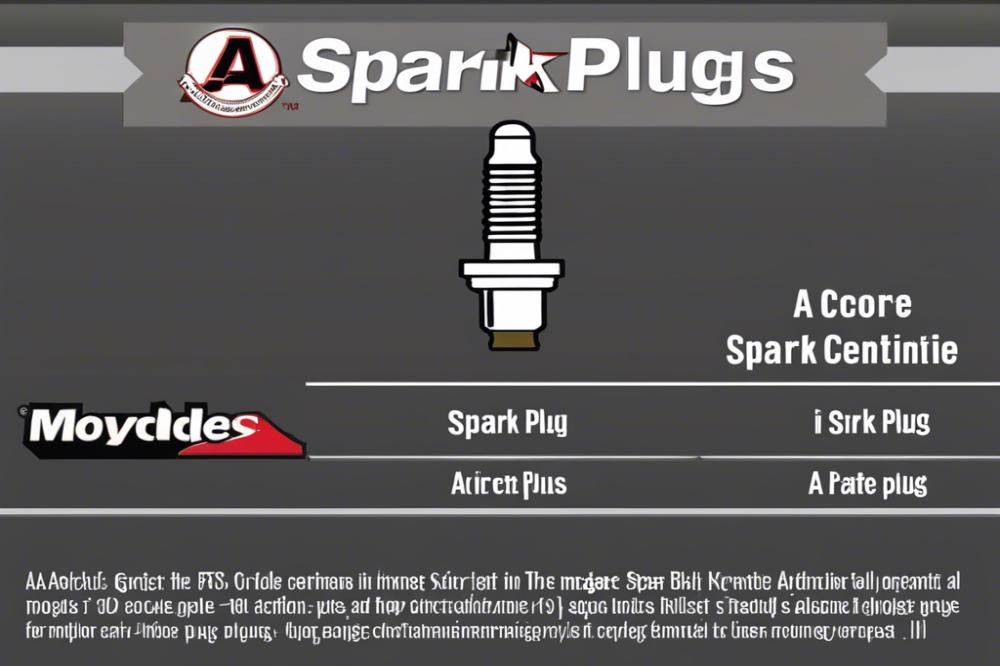
At its core, a spark plug acts as a crucial component in an internal combustion engine, igniting the air-fuel mixture that propels any vehicle, including motorcycles. Think of it as the tiny but mighty ignition source that sparks life into your engine’s mechanical heart. Without this small yet pivotal part, the engine would simply not operate.
Definition and Function of Spark Plugs
A spark plug generates the spark that ignites fuel and air within the engine’s combustion chamber. This process is fundamental to the engine’s operation, transforming chemical energy into kinetic energy. Most motorcycle enthusiasts may overlook this part during routine motorcycle care, yet neglecting it can lead to performance issues. Instead, regular maintenance offers numerous spark plugs benefits, including improved fuel efficiency and smoother acceleration.
Types of Spark Plugs Used in Motorcycles
Diving into the different varieties available, one finds several types of spark plugs suitable for motorcycles. Copper core plugs are common due to their excellent conductivity but have a shorter lifespan. On the other hand, platinum and iridium plugs offer extended durability and enhanced performance at a higher price. Choosing the right type depends largely on the motorcycle’s specifications and the rider’s preferences. Remember, not all plugs are created equal, and mismatching a plug can result in a host of unwanted complications.
Basic Components of a Spark Plug
Examining the components reveals the complexity hidden within. Each plug typically consists of a center electrode, ceramic insulator, terminal post, and ground electrode. The center electrode is where the magic happens; it creates a high-voltage spark when electricity travels from the ignition coil. Surrounding it, the ceramic insulator prevents electrical leakage and protects against extreme temperatures. The ground electrode completes the circuit, allowing the spark to jump across the gap. It’s a finely tuned mechanism that underscores the importance of maintenance tips to keep your ride smooth.
In summary, understanding these components equips riders with knowledge about their motorcycles. Being informed can improve maintenance routines and optimize bike protection. Investing time in knowing how spark plugs work contributes to a more enjoyable riding experience. Riding a motorcycle isn’t just about feeling the wind in your hair; it’s about keeping the engine running like a well-oiled machine.
How Spark Plugs Work
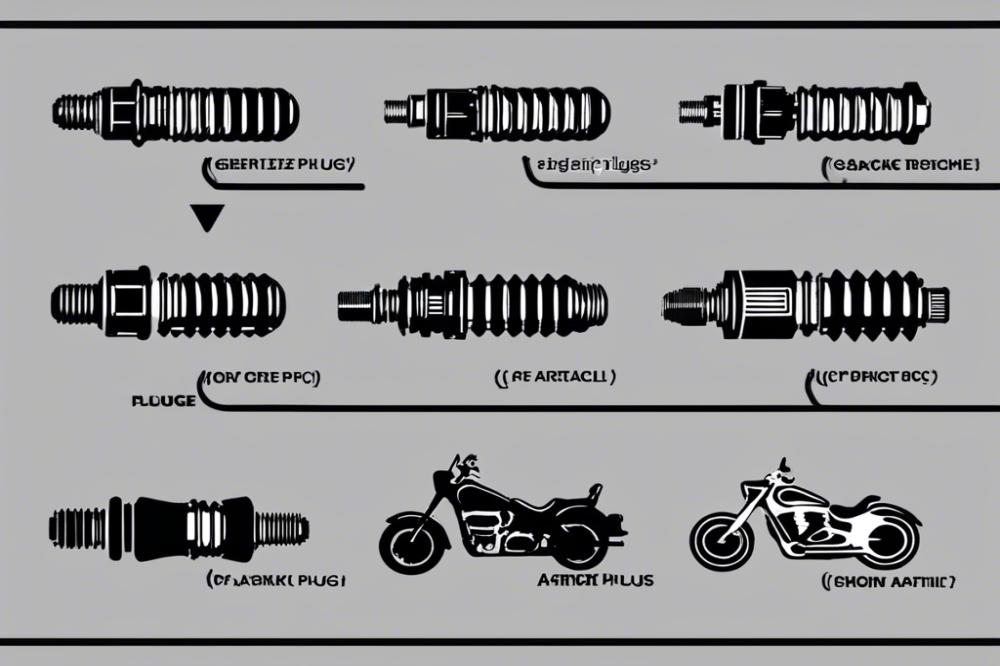
The ignition process in motorcycle engines primarily relies on the ignition of the air-fuel mixture. Essentially, when the piston compresses this blend, it reaches a stage where it requires a spark to ignite. A carefully timed spark, created by an electrical discharge, can drastically alter the performance and efficiency of your bike. If that spark is delivered too early or too late, it can prove disastrous, leading to engine knock or poor fuel economy.
The Role of Spark Plugs in the Combustion Cycle
During the combustion cycle, the spark plays a critical role. As the cylinder reaches the ideal compression, the spark plug sends a brief, intense jolt of electricity. This moment sparks a rapid expansion of gases in the combustion chamber. Think of it as firing the starting pistol in a race; without it, nothing happens. Subsequently, this explosion drives the piston down, turning the crankshaft and powering the bike forward.
For many riders, understanding this intricate dance of combustion is essential to motorcycle care. A well-functioning spark plug not only ignites the mixture but also helps maintain optimal temperature and pressure within the engine. Regular checks can yield significant spark plugs benefits, ensuring a smoother ride and better fuel efficiency. Neglecting these little champions can lead to premature wear and tear, draining both your wallet and the joy of riding.
Importance of Spark Plug Timing
Timing is everything in motorcycle engines. Every mechanic worth their salt knows the importance of precise spark timing. An incorrect sequence can leave a rider feeling as if they have a diesel engine rather than a finely tuned machine. A late spark can lead to unburnt fuel, causing a drop in engine performance and creating unwanted emissions. On the other hand, an early spark might result in detonation, the kind of knocking that makes every rider cringe.
To give your motorcycle the best protection, incorporate regular maintenance tips into your routine. Checking the gap and overall condition of the plugs is a straightforward task. Ignoring these crucial components can lead to greater issues down the line. Keeping your bike’s ignition system in prime condition means fewer headaches on the road and more adventure. A well-timed spark can turn a mundane trip into an exhilarating journey.
Types of Spark Plugs for Motorcycles
Copper Core Spark Plugs
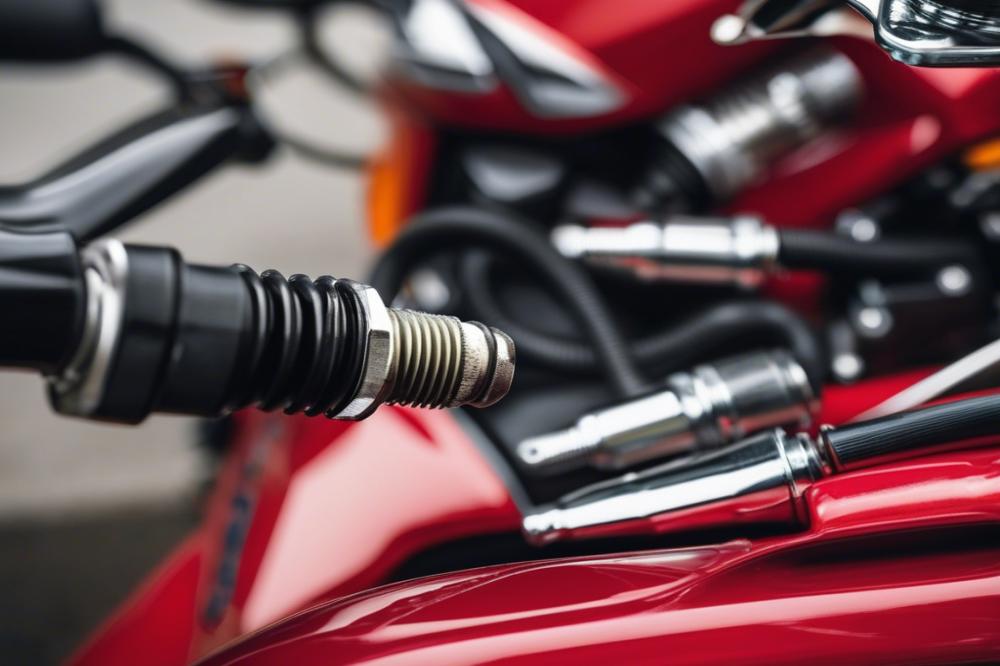
Copper core spark plugs have been around for ages. Many motorcycle enthusiasts appreciate their reliability and affordability. Conductivity is a key feature of these plugs. Copper conducts electricity efficiently, enhancing ignition performance. Maintenance tips often highlight the need for regular checks, especially with older bikes. They wear out quicker than their more modern counterparts, making them a frequent change item on your maintenance schedule. However, their performance can diminish at higher temperatures. Riders might notice a slight drop in efficiency on long rides. Nonetheless, they can still provide powerful spark and swift acceleration, keeping your bike in motion.
Platinum and Iridium Spark Plugs
Stepping up the game, platinum and iridium spark plugs provide outstanding durability and longevity. These materials resist wear and tend to maintain performance over extended periods. Iridium, in particular, has a melting point that rivals that of the sun. This characteristic makes for excellent bike protection against harsh conditions. Many manufacturers have started to recommend them as essential for modern motorcycles. The spark plugs benefits extend to smoother idling and improved fuel economy. Riders often find that these advanced plugs can improve throttle response as well. While they may require a larger initial investment, the long-term savings and performance increase make them worth considering.
Resistor Spark Plugs vs Non-Resistor Spark Plugs
When it comes to resistor versus non-resistor options, the choice impacts overall performance significantly. Resistor spark plugs minimize radio frequency interference. Riders who enjoy their music while cruising should appreciate this feature. Non-resistor alternatives, however, might offer better performance in specific situations. They can help maximize power, especially in racing environments, but can also be prone to causing interference in electrical systems. Regular motorcycle care should involve understanding your bike’s needs. The technology and preferences all vary by make and model. Ultimately, making an informed decision can significantly affect the bike’s performance. Choose wisely to enjoy the ride without the nagging issues.
Choosing the Right Spark Plug
Factors to Consider When Selecting Spark Plugs
Choosing a spark plug involves several critical considerations. The first step involves determining the specific requirements of your motorcycle’s engine. Different engines operate under varying conditions and have unique specifications. Always look for spark plugs that meet those requirements to avoid performance issues. Fuel type, ignition timing, and even riding style can influence the best choice for your vehicle. A motorcycle that frequently sees stop-and-go traffic, for instance, might benefit from a distinct spark plug than one that enjoys long highway stretches.
Also, consider the materials used in construction. Some plugs are made with copper, while others use platinum or iridium. A copper plug might be more affordable, but it usually has a shorter lifespan. On the other hand, iridium plugs provide longevity and stability. You might pay a premium upfront, yet the spark plugs benefits can quickly outweigh the initial cost. When you’re knee-deep in maintenance tips, every penny spent on quality parts can save you in the long run.
Manufacturer Recommendations and Specifications
Turn to your motorcycle’s manual for manufacturer specifications. Ignoring these can lead to a mishmash of confusion and ultimately poor performance. Those specs are not just numbers; they reflect extensive testing and engineering. Trust the data from the engineers who designed your bike over an online forum chat.
Compatibility also plays a vital role. While some motorcycle enthusiasts may opt for aftermarket options, those may not always perform as advertised. Going by the manufacturer’s recommendations can help save you from unnecessary headaches—or worse, catastrophic engine failure. Your bike deserves the right components for optimal bike protection.
Understanding Spark Plug Heat Range and Its Effects
The heat range of a spark plug is another aspect that should not be overlooked. This measurement indicates how well a spark plug dissipates heat. Selecting a plug with the incorrect heat range can severely damage your engine. A plug that runs too hot can cause pre-ignition, while one that runs too cold may accumulate excess carbon. Both situations compromise engine performance.
When reviewing the heat range, consider how you use your bike. Recreational use in mild climates may not require the same specifications as frequent track days or off-road riding. Experimentation within the recommended ranges can be necessary, but be cautious—trial and error can quickly devastate your engine’s integrity. Maintaining the right balance in heat can lead to smooth performance and enhanced longevity.
Staying informed about each aspect of spark plug selection is key. You wouldn’t run a marathon in flip-flops, so don’t settle for subpar components on your bike. Proper motorcycle care encompasses every detail, so take your time when choosing spark plugs. The right choice will afford you better riding experiences and overall satisfaction as you hit the open road.
Spark Plug Maintenance
Signs of Spark Plug Wear and When to Replace
Identifying the signs of wear can save you from a roadside disaster. Foul or blackened electrodes indicate problems with combustion. If the tip looks corroded or covered in buildup, it’s time for a change. Hard starts or engine misfires? Those could be red flags waving in your face. Compromised spark plugs are a fundamental issue in need of your attention. Besides, if gas mileage is dwindling, the plugs could be guilty. They play a pivotal role in fuel efficiency. Regular monitoring is part of effective motorcycle care.
Cleaning and Maintaining Spark Plugs
Cleaning the plugs may seem like an afterthought, but it can make all the difference. Accumulated debris or carbon can choke performance. A simple wire brush does wonders to remove the grime. Soak them in a solvent for deeper cleaning if needed. Dry them thoroughly before reinserting them. Remember that even the best maintenance tips won’t help if installation is botched. Always check the gap between electrodes; it affects the spark’s strength. A well-maintained plug not only improves performance but extends lifespan. Neglect leads to costly replacements.
Tools and Techniques for Spark Plug Maintenance
A fundamental toolkit is essential for proper maintenance. Spark plug sockets are non-negotiable. Invest in a torque wrench to avoid over-tightening. It’s akin to tightening a lid just right—too much pressure can cause damage. Regular inspections are a must, and don’t shy away from a bit of elbow grease. Using dielectric grease can help prevent corrosion during installation. Think of protecting your plugs as bike protection; it guards against wear and tear.
Monitoring these elements regularly preserves functionality and improves performance. You wouldn’t let a clogged drain go unchecked, so don’t neglect the small stuff. Installing new plugs every season can also boost horsepower. The benefits of consistent attention outweigh the effort. Your bike deserves it, and you’ll feel the difference on the open road.
Installing Spark Plugs
Step-by-step guide on how to install spark plugs
Changing spark plugs feels like a rite of passage for any motorcycle enthusiast. Start by gathering your tools: a new set of spark plugs, a socket wrench, a gapping tool, and perhaps a little patience. With the bike cool, remove the seat or side panel to access the engine. Always consult the motorcycle’s manual for specific instructions related to your model.
Next, disconnect the battery — a wise move to avoid any electric surprises. Once that’s out of the way, carefully extract the old spark plugs using the socket wrench. Pay attention to how they come out. Examining the old ones can provide insight into the bike’s health. Look for signs of wear or deposits; this can inform future maintenance tips.
Prepare the new spark plugs. Use the gapping tool to ensure proper distance. Incorrect gaps could lead to performance issues. Once assessed, apply a bit of anti-seize compound to the threads. This helps with future removals and maintenance. Thread the new plugs in gently by hand first. Cross-threading them is a rookie mistake that can lead to a headache later.
After that, tighten them with the wrench. Avoid overtightening; excessive force can cause cracking or damage. Reconnect the battery and double-check all connections. Finally, start the bike and listen to the engine’s hum. A smoother ride may be just a session of motorcycle care away!
Common mistakes to avoid during installation
Many tackle spark plug replacement with bravado but end up making errors. Skipping the gap check is a common misstep. Even new plugs can have improper gaps, which can affect ignition. Another blunder is not using the right torque when tightening. The manufacturer has specifications for a reason, and ignoring them may lead to stripped threads.
It is also vital to avoid checking the gaps using inappropriate methods. Relying on guesswork can lead to a variety of complications. Failing to clean the area before installing new plugs is another pitfall. Dirt and debris can easily contaminate the plug seating, causing issues down the line. Keep the workspace tidy!
Safety tips for working with spark plugs
Taking safety precautions is crucial when diving into maintenance tasks. Always wear gloves to protect your hands from grease and grime. Eye protection is equally important; small debris can fly during removal and installation. Working in a well-ventilated area is advisable, especially if you’re using any harsh cleaning agents.
Furthermore, disconnect the battery first — that point can’t be stressed enough. If the battery is connected, there’s always a risk of electrical shock. Ensure that the engine is cool to prevent burns while handling the components. Motorcycle maintenance isn’t just about the motorcycle; it’s also about keeping oneself safe.
In the grand scheme of bike protection, understanding how to change your spark plugs is a modest yet empowering skill. Trust in your abilities; practice makes perfect. Your motorcycle deserves the utmost attention. And who knows? You might even develop a fondness for the oily charm of the workshop!
Performance Upgrades and Spark Plugs
How Spark Plugs Affect Motorcycle Performance
When it comes to motorcycle performance, the effect of spark plugs cannot be underestimated. A well-functioning unit ignites the air-fuel mixture with precision, promoting efficient combustion. Conversely, a worn or faulty alternative can lead to misfires, sluggish acceleration, and lower fuel efficiency. Enthusiasts often overlook this essential part. Skipping regular checks can result in poor throttle response and unnecessary strain on the engine. As combustion becomes inconsistent, riders may find themselves frustrated on their rides.
Motorcycle care involves routine maintenance, and this component is a key player. It’s advisable to check intervals and adjust accordingly. Look for signs such as difficulty starting or irregular idling; these often hint at issues with the ignitor. These humble components dramatically influence overall power output. Upgrading them can be akin to replacing a filmy lens with a crystal clear one; everything suddenly appears sharper!
Upgrading Spark Plugs for Better Performance
Some riders choose to upgrade their spark plugs to enhance performance. Options abound—irradiated designs promise broader thermal ranges and increased durability. Choosing the right one can lead to noticeable power gains. A hotter plug, for instance, can better facilitate performance during high revs. However, it’s wise to research specific motorcycles because not all modifications yield universal benefits.
Moreover, a session with your mechanic can reveal what works best. It is especially crucial to consider riding style. Casual riders might prioritize longevity, while others yearn for peak power during spirited weekend rides. Using the right component opens doors to more spirited adventures down the road.
Compatibility with Modifications and Tuning
Compatibility can spell the difference between ho-hum performance and a thrilling experience. Modifications and tuning adjustments dictate what type of unit works best for your setup. If your bike breathes easier with a new exhaust, don’t forget that spark plug selection becomes equally important. Upgrading air filters or tweaking fuel mixtures alters the combustion dynamics. Therefore, one should follow suit with the plug.
Tuning efforts can pay off spectacularly, but it’s prudent to consider how they fit together like pieces of a puzzle. An optimized motorcycle may demand a colder spark plug, particularly if the rider has increased boost or has installed an aftermarket turbo. Always seek advice or delve deep into forums related to your specific model. Knowledge sharing among riders can be invaluable, often turning into spirited discussions about the best components to enhance performance.
Riding a motorcycle should feel exhilarating, and spark plug upgrades play a small yet pivotal role. As professionals suggest, each aspect of motorcycle maintenance deserves careful consideration. Make informed decisions to safeguard your investment. With the right care, you can hit the road feeling confident, knowing your bike is running at its peak.
Troubleshooting Motorcycle Issues Related to Spark Plugs
Common Symptoms of Faulty Spark Plugs
Noticing strange behavior from your motorcycle? Misfires, rough idling, or even stalling are indicators that something may be amiss. Lack of acceleration despite twisting the throttle can signal a problem too. A decrease in fuel efficiency should raise eyebrows. If the bike is hard to start, that’s yet another red flag. Each of these could point to the need for replacement or adjustment.
Diagnostic Tips for Troubleshooting
Start by inspecting the spark plugs for any visible signs of wear. A black, sooty appearance often suggests an overly rich fuel mixture. Alternatively, a white, chalky residue hints at potential overheating. Don’t overlook the importance of checking the ignition system as well. A faulty coil can trigger a cascading effect, leading to additional mayhem. If available, utilize a multimeter to measure the resistance of the plugs. Simple methods sometimes yield profound insights. Always remember, proper motorcycle care involves regular checks; this could spare you from a mechanical headache down the road.
When to Consult a Professional Mechanic
Sometimes, the DIY route might not be the best course. If you lack the tools or confidence to tackle intricate issues, seeking expert help can save time. Scheduled maintenance ensures effective performance and bike protection. Mechanics have their own arsenal of tricks. If diagnostic tests lead you in circles, don’t hesitate to take the plunge. An experienced technician may spot nuances that you overlooked. Addressing spark plug problems early can prevent nasty surprises later on.
Wrapping Up: The Essential Role of Spark Plugs
We’ve navigated the intricacies of spark plugs, highlighting their pivotal role in motorcycle performance. From understanding how they ignite the engine to recognizing signs of wear and the importance of maintaining optimal gaps, it’s clear that these small components wield substantial influence over your ride’s efficiency and reliability. Think of them as the unsung heroes of your bike; often overlooked, yet fundamentally crucial.
When contemplating motorcycle maintenance, one should never underestimate the significance of these components. They are not merely accessories; they serve as the ignition system’s heartbeat, ensuring that the engine runs smoothly and effortlessly. A well-maintained engine is like a finely tuned orchestra, where every note matters. Just like a musician won’t perform to their best without regular practice and proper instruments, your motorcycle won’t deliver peak performance without attention to its spark plugs.
It’s TRUE: Regular checks and timely replacements can save you from unexpected breakdowns and costly repairs. Just as you wouldn’t ignore a tree with wilting leaves in your garden, it’s vital to keep an eye on the condition of your bike’s spark plugs. Take a moment to inspect them during routine servicing or when performing seasonal maintenance. After all, Maintaining Your Bike with Fuel Stabilizers is important for keeping the entire system in check, but don’t let that overshadow the need for vigilant spark plug care!
Anecdotes abound among seasoned riders who can recount tales of engine troubles due to neglected spark plugs. Those stories serve as reminders that what might seem trivial often has larger implications. Worn, dirty, or improperly gapped plugs can lead to hard starts, misfires, and subpar fuel economy. So, would you want to find yourself stranded on a twisting road because of a little maintenance oversight? Of course not!
To wrap up, let this serve as a gentle nudge. A little maintenance goes a long way in ensuring your motorcycle stays reliable and fun to ride. After all, it’s not merely about the ride; it’s about the journey. Keep your spark plugs in check, and you’ll be rewarded with smoother travels and more exhilarating adventures. Now, go forth and ride with confidence, knowing that you have a strategy to keep your bike humming like a well-oiled machine!