Understanding Modular Helmets
In the realm of motorcycle equipment, modular helmets stand out as a remarkable fusion of safety and versatility. These helmets, characterized by their unique ability to transition between full-face and open-face configurations, cater to the myriad preferences and needs of riders. With just a simple flip of the chin bar, one can enjoy the freedom of an open face while retaining the option for full protection when required. This adaptability makes them an appealing choice for long-distance trips or quick jaunts around town.
Rising Popularity Among Riders
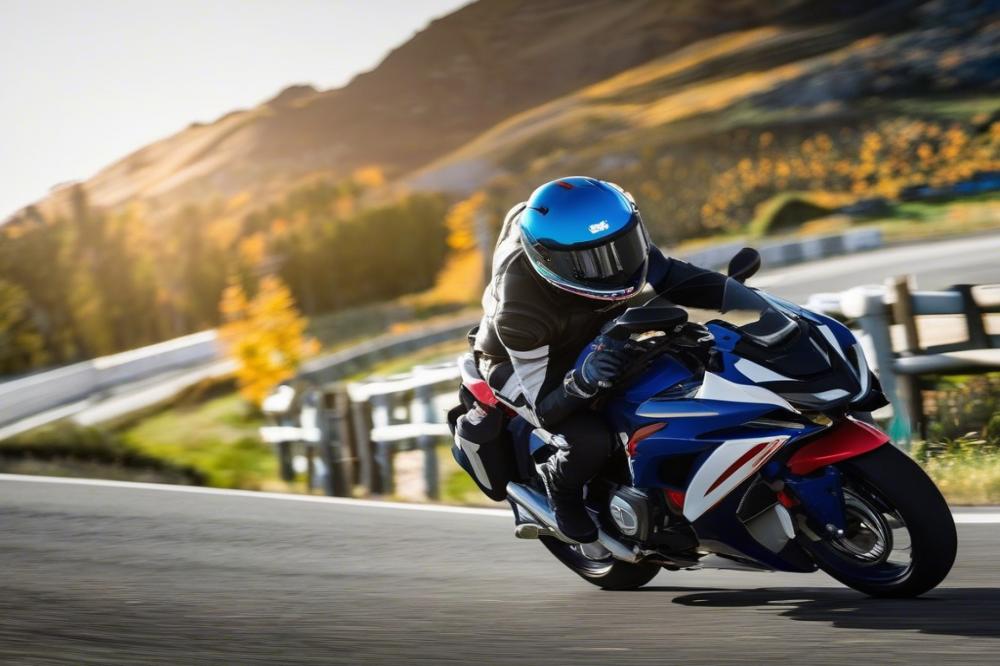
Among motorcyclists, the trend toward modular designs continues to gain momentum. Evolving from traditional helmet styles, these innovative pieces of protective gear have captured the hearts of many. Riders appreciate the balance between convenience and safety that these models offer. After all, who hasn’t encountered that moment on the road when they need to quickly converse with a fellow traveler or simply savor the fresh air? Modular helmets provide the perfect solution, crafting experiences as enjoyable as the journey itself.
Safety and Convenience for Every Rider
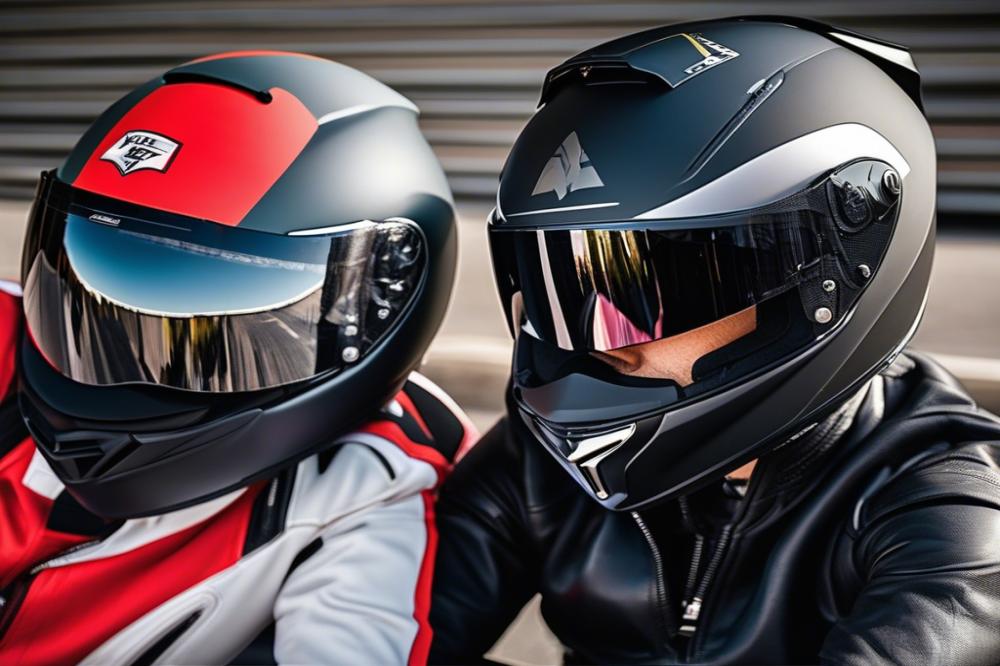
Motorcycle safety remains a paramount concern for enthusiasts and casual riders alike. Wearers can take comfort in the knowledge that modern modular helmets are constructed to meet stringent safety standards, providing exceptional rider protection. With features such as a robust outer shell, impact-absorbing liners, and multi-directional ventilation systems, they offer robust protection in the event of an accident.
Furthermore, the benefits extend beyond just safety. The convenience of being able to lift the front without removing the entire helmet cannot be overstated. Enjoying a quick snack at a roadside café or catching up with friends becomes a breeze. Riders often joke that the best part of a road trip is not just the destination, but the social opportunities along the way. Modular designs facilitate this interaction without compromising comfort or protection.
Versatility: The Heart of the Matter
The versatility of these helmets adds another layer of appeal. Whether navigating urban jungles or tackling challenging trails, they rise to the occasion. Riders can easily adapt their gear to suit varying conditions, be it a chilly morning ride or sweltering heat. As the great saying goes, “Variety is the spice of life,” and this sentiment rings TRUE when considering the experiences offered by such helmets. They encapsulate the unpredictable nature of motorcycle adventures with unparalleled ease.
Though some may wonder, “How to Choose the Best Off-Road Helmets,” the answer often leads back to understanding what suits one’s needs. There’s no shame in seeking out options to discover the perfect blend of features tailored for individual preferences. Those who immerse themselves in research often find that modular helmets serve as a TRUE ally on their journeys, bringing together safety, comfort, and style in one impressive package.
In conclusion, for those who value safety, convenience, and versatility, adopting a modular helmet could transform the riding experience. Embracing such protective gear may just turn mundane commutes into glorious adventures, all while maintaining the utmost regard for personal safety on the road. The appeal of these helmets lies not just in their practical benefits, but also in the stories they allow riders to tell – because every ride deserves a good tale.
Understanding Modular Helmets
Modular helmets, often regarded as a blend of convenience and security, serve a pivotal role in motorcycle safety. They are defined by their dual-functionality: the ability to function as a full-face helmet and an open-face helmet. This versatile design attracts many riders who seek a balance between protection and comfort.
When comparing these helmets to their full-face and open-face counterparts, distinctive differences arise. Full-face helmets provide maximum protection, encasing the rider’s head entirely. Yet, they lack the versatility of their modular counterparts. Open-face helmets, while allowing for an unobstructed view and airflow, sacrifice safety in certain scenarios. The choice often comes down to how much emphasis one places on the factors of protection versus comfort.
Mechanism of the Flip-Up Design
The flip-up mechanism is where the magic truly happens. It allows the front of the helmet to hinge upwards, permitting easy access to the rider’s face without the need to remove the entire helmet. On a hot day, it can feel like lifting the lid on a pot boiling over, instantly releasing steam. This design promotes breathability and provides an opportunity to communicate without the cumbersome process of helmet removal.
Moreover, the lift feature enhances versatility. Riders can enjoy the coverage of a full-face helmet while conveniently flipping it up when stationary. That flexibility is invaluable during stops for fuel or snacks. Riders can engage in conversation without the hassle of removing a helmet that might be snugly fitted for safety.
This combination of modular helmets benefits offers riders enhanced protection while accommodating the need for face exposure. Protective gear evolves alongside the needs of the modern rider. In an environment where every second counts, the ability to adapt can make a significant difference. A well-designed modular helmet not only prioritizes rider protection but also anticipates the unpredictable nature of the road.
Safety Features of Modular Helmets
Analysis of Safety Standards and Certifications
Modern protective gear must meet rigorous safety standards. Organizations such as the DOT and ECE provide certifications that highlight a helmet’s ability to protect riders in the event of an accident. Wearing modular helmets that carry these marks assures riders that their choice is backed by comprehensive research and testing. Regulatory bodies test various aspects, including impact resistance and durability. This provides confidence that the helmet can withstand the forces generated during an accident.
Impact Protection and Materials Used
Manufacturers utilize advanced materials in helmet production. Commonly found are polycarbonate and fiberglass, each offering distinct advantages. These materials absorb energy and reduce the impact that reaches a rider’s head. The use of multi-density foam liners enhances impact protection. Such innovations make these helmets among the safest options available in motorcycle safety equipment.
Advantages in Accident Scenarios
Imagine this: you’re cruising down an open road when disaster strikes. A modular helmet can offer enhanced protection compared to traditional designs. In a crash, the ability to easily open the chin bar can facilitate quicker medical assistance. Riders can access their faces without removing the entire helmet. This can be critical when every second counts in emergency situations. Additionally, the design can improve visibility during low-speed incidents. With the chin bar up, it becomes easier to communicate, ensuring that riders can alert others to their need for help.
Ultimately, modular helmet benefits extend far beyond convenience. They offer a practical twist on traditional motorcycle gear, reinventing the standard while prioritizing rider protection. Such helmets are more than just headgear; they serve as a vital piece of equipment in safeguarding lives.
Comfort and Fit
Long rides demand more than just a sturdy bike; they require gear that places rider comfort at the forefront. Proper fit is critical. A helmet that doesn’t sit correctly can lead to discomfort and, ultimately, fatigue. When fatigue hits, motorcycle safety goes out the window, making the distinction between joy and trouble razor-thin.
Ventilation is a topic often overlooked. A well-designed helmet incorporates airflow mechanisms that help maintain a pleasant climate inside. Riders can experience fluctuating weather conditions, turning a pleasant day into a sweaty ordeal without adequate ventilation. A helmet that allows for air circulation can feel like a breeze on a summer day. Riders armed with this knowledge find that optimum airflow transforms their journey.
Comfort also stems from intricate padding and internal features. Quality padding conforms to the head, providing a snug yet gentle embrace. Additionally, moisture-wicking liners keep sweat at bay, adding a layer of comfort that can be a game-changer on those extended excursions. A helmet filled with thoughtful touches doesn’t just protect; it enhances the riding experience.
With all these aspects in play, modular helmets manifest distinct benefits for enthusiasts seeking to marry style with functionality. Every ride presents a unique opportunity to showcase an individual’s personality as well as reduce fatigue and enhance wellbeing. Protective gear doesn’t have to be synonymous with discomfort, and it can be a delightful aspect of motorcycle culture.
Versatility and Functionality
Motorcycles offer an exhilarating blend of freedom and adventure. Riders encounter a variety of scenarios, from urban commutes to long-distance journeys. Here is where the modular helmet excels. This type of protective gear seamlessly adapts, catering to diverse riding conditions. A quick flip of the chin bar transforms the helmet, accommodating different needs with remarkable ease.
Riders who wear glasses or have specific requirements find great benefit in such designs. It can be a nuisance to don a traditional helmet over spectacles. Fortunately, modular helmets provide ample space for eyewear, preventing discomfort. As such, individuals with unique needs can ride with confidence and comfort. Prioritizing motorcycle safety does not exclude considerations for personal convenience.
Converting from full-face to open-face and vice versa exemplifies the modular helmet’s practicality. Whether cruising on winding country roads or navigating congested city streets, flexibility is vital. A full-face configuration offers substantial rider protection during high-speed rides. In contrast, the open-face option allows for better airflow and increased visibility when taking a leisurely spin.
Every rider has their preferences. Some may value the added security of a full enclosure. Others might favor the breeze that accompanies an open-face design. Fortunately, modular helmets benefits allow for both worlds. Transitioning between styles is intuitive, enhancing the overall riding experience while adhering to safety protocols.
In summary, the adaptability of modular helmets appeals to a wide range of motorcyclists. Changing riding conditions and personal preferences are met with a simple adjustment, boosting convenience. The thoughtful design resonates with riders looking for both comfort and practicality. It’s a pivotal element of smart riding gear without compromising on style or safety.
Ease of Communication
Motorcycling is not merely a method of transportation; it’s a way of life. Communication becomes paramount when navigating the open roads. Modular helmets facilitate this effortlessly, making them an attractive option for any rider.
The integration of communication systems in these helmets transforms the riding experience. Many models come equipped with Bluetooth technology that connects to smartphones or GPS devices. Riders can easily receive navigation prompts or take calls without fumbling with their devices.
Talking while on the move enhances not only the enjoyment but also motorcycle safety. Whether you’re coordinating with fellow riders or discussing the sights with a passenger, clear communication reduces distractions. As they say, “A problem shared is a problem halved,” and in the realm of motorcycling, this rings particularly true.
Moreover, the options for intercom connections allow for seamless conversations during rides. Traditional helmets often restrict communication to shouting over the wind and engine noise. With modular helmets, you can engage in conversations naturally, which fosters a stronger bond between riders.
Picture this: cruising along a scenic route, the sun shining brightly, wind in your hair, while your companion shares the latest news without missing a beat. That level of connection enhances camaraderie on the road and adds a social element to the riding experience. Safety, fun, and interaction all mesh into one well-designed helmet.
In our tech-savvy age, the limitations of conventional protective gear become glaringly obvious. Embracing the modern features of modular helmets not only improves communication but also contributes significantly to rider protection. It’s a win-win situation.
Without a doubt, communication systems in these helmets are a game-changer. Who wouldn’t want to scan through music playlists, answer a call, and discuss route changes—all while avoiding the chaos of hand signals? These benefits simply can’t be overlooked.
Choosing the Right Modular Helmet
Selecting a modular helmet requires consideration of several crucial factors. Firstly, prioritize safety ratings. Look for helmets that meet or exceed standards set by organizations such as DOT, ECE, or Snell. These certifications are markers of quality and durability. Next, focus on comfort; a safe helmet that feels like a torture device won’t serve you well in the long run.
Ventilation plays a significant role in riding comfort during various weather conditions. Riders sweating under a hot sun appreciate well-ventilated designs. Noise levels should not be overlooked either; a helmet that blocks out wind noise enhances the experience of the open road. Additionally, weight matters; too heavy a helmet can cause neck strain on long journeys, potentially leading to discomfort.
Popular Brands and Models to Explore
Some brands stand out in the market for providing high-quality protective gear. Arai, Shoei, and Schuberth are often considered the gold standard. When searching for modular options, models like the Schuberth C4 Pro and the Bell Revolver EVO often garner praise for their combination of safety and comfort. These helmets typically feature advanced technology, ensuring riders remain safe while enjoying modular helmets benefits.
Motorcycle safety shouldn’t be compromised. HJC also offers well-regarded models like the HJC IS-Max II. For riders on a budget, consider brands like LS2 or Bilt, which deliver decent protection without a hefty price tag. Many options exist, providing a wealth of choices catering to both preferences and budgets.
The Importance of Trying Before Buying
Don’t underestimate the value of fit and feel. Trying a helmet before purchase allows you to assess comfort, balance, and visibility firsthand. A snug fit is essential for effective rider protection. While various helmets may look appealing on the shelf, they can feel drastically different when worn. No one wants a helmet that slides around like a bobblehead during a ride.
A visit to a motorcycle shop can provide first-hand experience with different models. Engage with knowledgeable sales staff who can provide insights into the latest features and technologies. Remember, a helmet is an investment in your safety. Treat it as such, or risk being the proud owner of a shiny piece of armor that doesn’t fit. A little trial and error can prevent a lot of discomfort down the road.
Maintenance and Care
Tips for Maintaining a Modular Helmet
Maintaining a modular helmet is essential for optimal motorcycle safety. Regular checks can prolong its lifespan significantly. After every ride, inspect the helmet for signs of wear and tear. Pay attention to the hinges and mechanisms, as these areas often experience wear due to frequent adjustments. A simple wipe-down with a microfiber towel can remove dust and moisture, keeping the helmet in top shape.
Another crucial aspect of care involves the interior. Removable liners should be cleaned frequently to prevent odors and bacteria buildup. Most manufacturers provide instructions for washing. Following them can save you from discomfort later on. Remember, proper maintenance not only protects your head but also your investment in protective gear.
Cleaning Methods for Various Materials
Different materials call for different cleaning techniques. For a polycarbonate shell, mild soap and warm water will suffice. Avoid harsh chemicals that could damage the finish. In contrast, helmets with a matte surface might require specialized products to maintain their appearance. You wouldn’t want your helmet looking like it lost a fight with an unruly sponge, right?
The visor demands special attention too. A gentle cleaner specifically designed for helmet visors prevents scratches and cloudiness. Use soft cloths to avoid damaging surfaces. Regular cleaning will enhance your visibility while riding, a non-negotiable aspect of rider protection.
Understanding When to Replace the Helmet
Recognizing when it’s time to replace your helmet is crucial for ongoing safety. A helmet generally has a lifespan of around five to seven years, even if you haven’t dropped it. If you notice cracks or any visible damage, it’s time for a new one. An old helmet may not provide adequate protection in case of an accident, defeating the purpose of investing in quality gear.
If you’ve been in a crash, even a minor one, replacing it becomes imperative. The protective elements may have been compromised, rendering it less effective. Furthermore, unfamiliarity with your helmet’s history can lead to unexpected risks. Always prioritize safety over cost when it comes to protective gear.
Prioritize motorcycle safety and conquer the open road with peace of mind by adhering to these maintenance and care principles.
Final Thoughts on Modular Helmets: A Rider’s Perspective
In recapping the advantages that modular helmets provide, it’s clear that their versatility stands out. These helmets bridge the gap between traditional full-face and open-face options, allowing riders the ability to adapt to various situations with ease. Whether you’re at a rest stop and need to converse with fellow travelers or are navigating a quick errand, simply lifting the front of the helmet can make all the difference. Convenience is often paramount in the riding experience, and modular designs prioritize that need without sacrificing safety.
Consideration of these helmets is not merely about comfort. It’s about prioritizing safety and functionality in a single package. The myriad of features, from increased visibility to ventilation options, speaks volumes about their design intention. Moreover, many models also offer robust integrations for communication systems, making them an excellent fit for those who enjoy riding with friends or family. As the saying goes, “Safety doesn’t happen by accident.” A well-chosen modular helmet can become a rider’s steadfast companion.
When it comes to making an informed choice, personal experience and research play crucial roles. For every riding style, there appears to be a matching helmet model that can enhance the experience. From touring adventures to casual weekend outings, matching your gear with your needs is essential. Just as one might find value in Exploring Different Types of Riding Gloves with Armor, selecting the right headgear is part of the same equation. Each piece of safety equipment is a cog in the larger machine that is motorcycling safety.
As we conclude, remember that your helmet is more than mere protection; it is a crucial element in your riding journey. Embracing the modular style may very well be the TRUE choice for riders who seek adaptability alongside protection. So as you gear up for your next ride, consider the benefits of choosing a helmet that evolves with you on the road. The right decision might just make your experience all the more rewarding.