Communication Challenges for Motorcyclists
Riding a motorcycle brings an exhilarating sense of freedom, allowing enthusiasts to absorb the world around them. However, amidst the wind and the roar of the engine, effective communication often takes a backseat. Riders face unique challenges, especially when trying to converse with fellow motorcyclists or discuss vital information with passengers. The sheer volume of noise generated by a motorcycle can make even the simplest discussions feel like they’re being held underwater. Forget about relaying directions or concerns about road conditions; without appropriate means, these conversations can vanish into thin air.
The Importance of Effective Communication While Riding

Imagine navigating through winding roads or heavy traffic without knowing your friend just took a wrong turn. Communication among motorcyclists is not merely a nicety; it’s crucial for safety, coordination, and enjoyment. Rider communication serves as the glue that holds group rides together, fostering camaraderie even in the face of the unknown. When one rider spots a hazard or an obstacle, promptly sharing that information can make the difference between a smooth ride and a disastrous encounter. Good communication enhances safety and enriches the experience, ensuring everyone remains connected and aware of the environment.
Utilizing reliable navigation tools is another facet of this equation. A missed turn can lead to confusion and frustration. With the right tools, riders can easily share updates about route changes or road conditions through their wireless helmet speakers. Imagine being able to remind a buddy to keep an eye out for that pesky pothole up ahead, or discussing which scenic route to take next—all without needing to pull over and risk losing precious momentum. In this fast-paced world, embracing technology offers numerous benefits, and understanding the wireless helmet speakers benefits can significantly elevate the overall riding experience.
As an added bonus, having a clear communication system keeps everyone informed, allowing riders to focus on what’s most important: the thrill of the ride. For those who frequently travel long distances, pairing their wireless speakers with motorcycle Waterproof Phone Cases can open a whole new realm of possibilities—think hands-free calls, listening to music, or even navigating with GPS without fussing over screens or buttons. Such arrangements invigorate the spirit of adventure while prioritizing safety through improved connectivity.
Understanding Wireless Helmet Speakers
Definition and Technology Behind Wireless Helmet Speakers
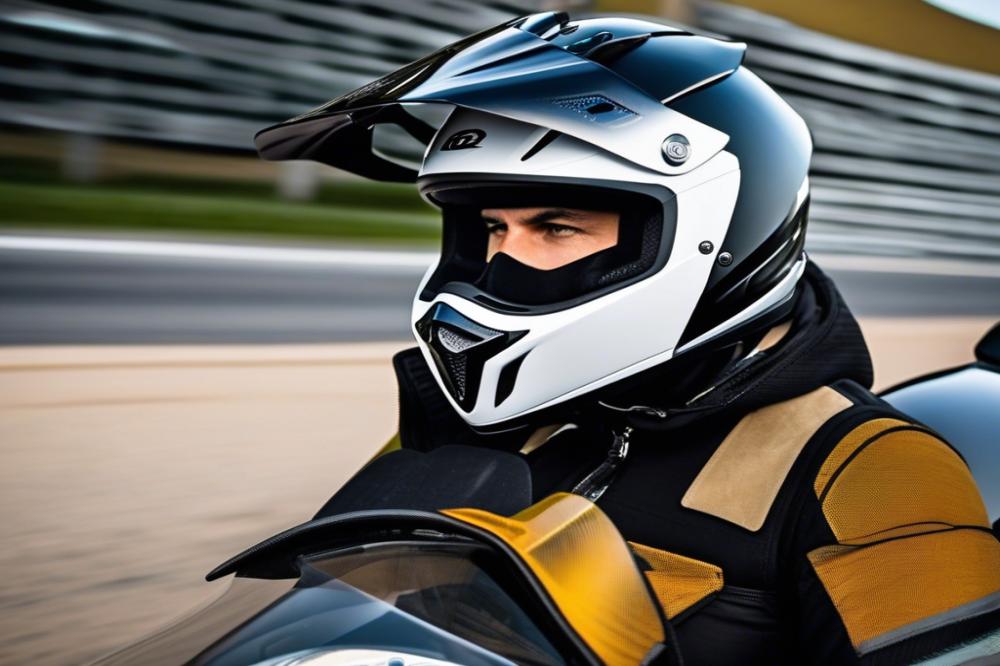
The world of motorcycling has evolved drastically, and one captivating innovation is the wireless helmet speaker. These devices allow riders to easily communicate with one another while cruising down the open road. Utilizing Bluetooth technology, they eliminate cumbersome wires that can easily tangle or snag.
What happens under the helmet is fascinating. Clear sound is generated via small speakers nestled within the helmet’s interior. Both music and phone calls can be conveniently played without disturbing the surrounding environment. This integration of technology enhances the motorcycle experience tremendously. With functionality designed for seamless pairing with smartphones, a rider can access navigation tools in real time.
Moreover, these devices often come equipped with noise-cancellation features. Such technology actively reduces wind and road noise, allowing for crisp audio. Riders no longer have to shout over the roar of their engines to communicate with fellow motorcyclists.
Types of Wireless Helmet Speakers Available on the Market
When navigating through the myriad of options, understanding the existing types becomes essential. Different products cater to varying needs and preferences among motorcyclists. A popular choice includes full-system intercom devices, which connect not just with smartphones, but with one another. Thus, groups of riders can easily maintain active conversations without interrupting the open-air adventure.
Another category features basic music and phone call capability. Such devices are simpler and often more budget-friendly, focusing primarily on audio playback rather than extensive rider communication. For those who ride solo and enjoy their favorite playlists, these options could be perfectly sufficient.
Some companies have introduced helmet speakers that double up as navigation tools. These gadgets provide audible directions, notifying riders of upcoming turns while minimizing risks. Riders can enjoy enhanced safety, keeping their eyes on the road and avoiding potential distractions.
Additional features may also be found in various models, such as built-in FM radio or the ability to connect with riding apps. Customization across these products addresses the unique needs of each rider, whether they are embarking on a solo journey or hitting the road with friends. Selecting the right device is crucial for maximizing the benefits of rider communication.
In the end, finding the perfect fit enhances not just safety, but the overall riding experience. Motorcycling is not merely a hobby; it’s a community, and every conversation, song, or navigation cue amplifies that bond between riders.
Benefits of Using Wireless Helmet Speakers
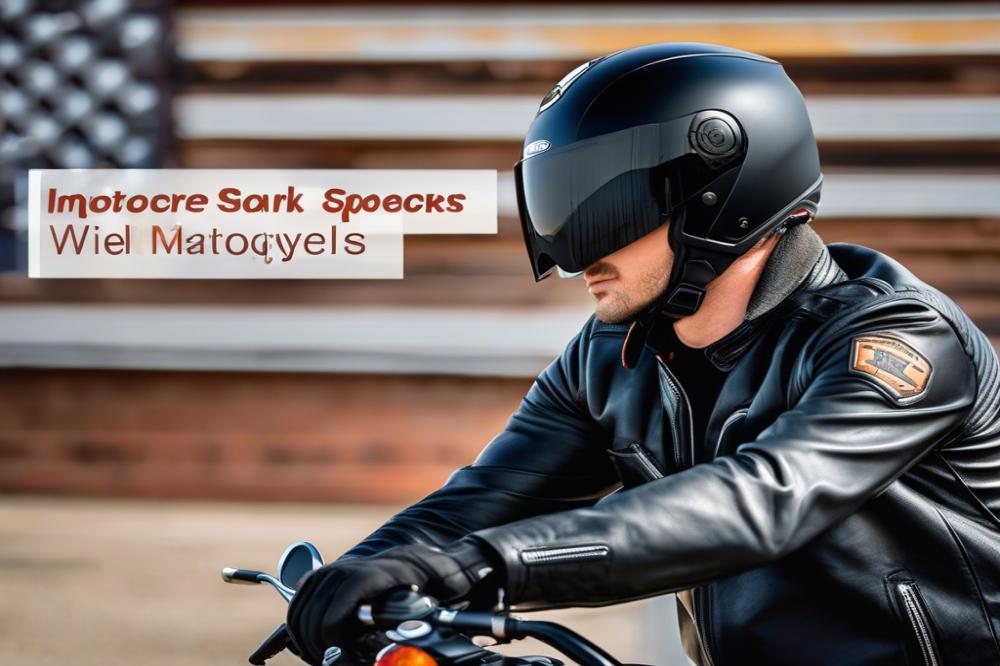
Riders are often inundated with a myriad of sensory inputs while navigating the open road. This is where the benefits of our topic come into play. Enhanced safety and situational awareness are paramount for any motorcyclist. By having communication devices integrated into the helmet, riders can remain focused on the road ahead. Imagine the freedom of not having to turn your head to see who is trying to speak to you. Just a quick tap on the helmet, and you’re connected.
A hands-free approach can make a significant difference in rider communication. With the press of a button, important information can be relayed seamlessly. This capability can prove invaluable during group rides or in complex traffic situations. Being able to chat without the need to fumble with devices allows riders to maintain control of their motorcycles. It’s almost like having a co-pilot whispering directions or checks on your well-being without ever becoming a distraction.
Listening to music or GPS navigation is another appealing aspect. Riders often yearn for the thrill of the open road coupled with their favorite tunes. The experience of merging those two elements makes every ride more enjoyable. With navigation tools integrated into the speakers, even the most complex routes become manageable. Picture this: you’re cruising down a scenic route, your favorite song playing softly in the background, while spoken directions guide your turns. It’s a harmonious blend of pleasure and practicality.
Moreover, the potential to enhance safety extends beyond just communication. Keeping distractions to a minimum is crucial. With wireless helmet speakers, confusion over devices is reduced. Riders can maintain a clear mind and focus on the essentials. Situational awareness hinges on adaptability, and these tools help foster that adaptability. Being aware of one’s surroundings while also being in touch with fellow riders amplifies the overall experience.
These benefits combine in a way that transforms riding into a more interactive and safe adventure. When safety and enjoyment collide, it creates a unique atmosphere on any journey. Riders everywhere can appreciate these advancements that come intertwined in modern technology. It’s no longer just you against the road; it’s you, your bike, and a world of sound and communication, all elegantly aligned with your adventure.
Compatibility with Different Helmet Types
Overview of Various Helmet Styles and Sizes
Motorcycle helmets come in a range of styles and sizes, each offering distinct features. Full-face helmets provide maximum protection, enveloping the entire head, while open-face helmets allow for greater visibility and airflow. Modular helmets serve a dual purpose, combining the benefits of both full and open-face designs.
Sizes vary significantly. A snug fit is crucial for safety, but comfort should not be overlooked. Helmets need to sit securely without pinching your temples. A helmet that’s too loose may shift during a ride, jeopardizing your well-being. Therefore, understanding your head’s shape and measurements can lead you to the perfect fit.
How to Choose Wireless Speakers That Fit Your Helmet
Finding suitable speakers involves considering both helmet dimensions and speaker design. Opt for slim, low-profile models that won’t intrude upon your comfort. Some manufacturers offer specific systems designed for certain helmet types, making this an easy decision for many riders.
Compatibility does not stop at the size. Check for mounting options in your chosen helmet. Many wireless helmet speakers benefit from adhesive pads or clips that fit neatly into various internal configurations. Riders should also think about the ease of installation. If setup feels like a crossword puzzle, you might want to explore other options. Compatibility with various rider communication devices, including smartphones, is another significant factor.
Choices often boil down to personal preference. Consider whether advanced features, such as navigation tools or voice command capabilities, suit your style. Enhanced safety while on the road increasingly relies on clear communication. In a world where distractions lurk around every corner, ensuring ease of use is paramount.
Many manufacturers provide fitting guides specific to their products. These guides can help eliminate guesswork. A speaker set that doesn’t fit may end up being more of a nuisance than an asset. Remember, the goal is to enjoy the ride while staying connected without compromising comfort. A well-fitted system not only heightens enjoyment but also enhances safety for every trip taken.
Invest wisely, and don’t hesitate to reach out to fellow riders for opinions. As the old saying goes, “A friend in need is a friend indeed.” Your peers can provide valuable insights into what works best in the long run, offering suggestions based on their experiences. After all, the world of motorcycle gear is vast, and having a trusted confidant can make the selection process less daunting.
Installation and Setup
Step-by-Step Guide to Installing Wireless Helmet Speakers
Installing wireless helmet speakers is not rocket science, but it does require a bit of patience and precision. Start by gathering all necessary tools and components—most setups will need simple items like a screwdriver, adhesive pads, and, of course, your speaker kit. Open the helmet first to access the interior. This is where you’ll work your magic.
Next, determine the ideal location for the speakers. Position them near your ears for optimal sound, usually around the ear pockets or lining. Once you’ve found the sweet spot, take off the adhesive backing from the speakers. Press firmly while placing each speaker inside the chosen position. Make sure they fit snugly, as vibrations from the road can make them loosen up.
Then, run the wires through the helmet’s shell, ensuring they don’t interfere with the helmet’s structural integrity or your comfort. Secure the wires inside using the provided clips or adhesive tape. Now, it’s time to plug in the Bluetooth module. Attach it according to your helmet’s design, often found at the back or side. Don’t forget to keep it accessible for easy pairing with your devices.
Lastly, enable your Bluetooth and connect to your phone or navigation tools. Try playing some music or making a call to check if everything works smoothly. If the sound is clear and the call quality is good, then congratulations—you’ve successfully installed your new speakers!
Troubleshooting Common Installation Issues
Sometimes, even the best-laid plans go awry. If sound quality isn’t up to par, check the connections. Loose wires can lead to distortion or dropouts. Make sure all components are secured correctly. If you hear static, try repositioning the speakers slightly. Sometimes it’s all about the angle.
If a connection fails during pairing, restarting both your helmet’s system and your phone can do wonders. Sometimes technology just wants a nap. Ensure your device is within range—Bluetooth doesn’t appreciate long-distance relationships.
Battery life too short? It might be a sign of overuse or poor charging. Check if you’re using the right charger, and follow the manufacturer’s recommendations to extend the lifespan. Consider investing in extra batteries if you plan long rides. Nobody wants to run out of juice halfway through an epic adventure.
Won’t fit correctly? It’s crucial to read the installation manual alongside the helmet’s specifications. Different models may have unique quirks. Adjust padding or lining if necessary to prevent discomfort. Communication while riding shouldn’t feel like a circus act.
Every helmet will have its challenges. Approach these hurdles with patience, and perhaps a good cup of coffee nearby. Whether addressing sound issues or installation misfits, enjoy the process. Remember, you’re enhancing safety and rider communication—this is all part of the adventure!
Maintaining and Caring for Wireless Helmet Speakers
Cleaning these devices is crucial to keeping them functional and pristine. Dust and debris can accumulate, diminishing sound quality and causing malfunctions. Use a soft, lint-free cloth to gently wipe down the exterior surfaces. For stubborn grime, a slightly damp cloth with mild soap can do wonders. Avoid immersing any part in water; they aren’t meant for a swim!
In addition to routine cleaning, paying attention to the speaker mesh is vital. A toothbrush can work wonders in dislodging dirt from those tiny openings. Regular maintenance ensures that you continue to enjoy wireless helmet speakers benefits, enhancing rider communication and navigation tools significantly.
Best Practices for Battery Care and Longevity
Nothing is worse than being out on the road and realizing your battery is dead. Hence, proper battery care becomes a top priority. Charge your device fully before embarking on long rides—this can prevent unexpected cutoffs. Also, avoid letting it drain to zero regularly; lithium batteries thrive on partial discharges.
Keeping your device in a cool, dry place adds a few extra miles to its lifespan. Extreme heat can damage the battery composition, while extreme cold may render it ineffective. Check for firmware updates regularly. Manufacturers often release patches that can enhance battery efficiency.
Finally, remember the value of using the speakers intermittently. Letting them recharge fully and then using them with breaks can lead to optimal performance. After all, like a good wine, they improve with time and care, ensuring enhanced safety while riding.
Top Brands and Models of Wireless Helmet Speakers
Comparison of Popular Brands and Their Features
Several brands dominate the market for helmet audio devices. Sena is a well-known name, especially among riders. Their 20S EVO model stands out for its exceptional Bluetooth range and multi-device connectivity. Not only does this enhance rider communication, but it also allows seamless linking with navigation tools and smartphones.
Cardo Systems offers another compelling option with the Packtalk Bold. Featuring Dynamic Mesh Communication, it excels during group rides, making it easy for multiple users to communicate without interruption. The integrated speakers provide great sound quality, perfect for enjoying music or navigating without distraction.
Another contender is JBL, known for producing high-quality audio components. Their wireless speakers have excellent clarity. Riders report that the audio crispness enhances their overall experience. Additionally, the convenience of Bluetooth pairing allows quick setup.
# User Reviews and Recommendations
When digging into user experiences, common themes emerge. Many riders appreciate the hands-free operation of these devices. The ability to enjoy music while staying tuned into the engine and surroundings is a game changer. One user humorously noted, “It feels like riding with a personal DJ!”
Battery life is another crucial factor. With long rides in mind, users often prefer models that can withstand several hours of continuous operation. Cardo’s Packtalk Bold frequently earns high marks in this category, allowing riders to focus on the road rather than recharge.
Enhanced safety is a priority for all motorcyclists. Reviews indicate models with noise-cancelling features help riders stay alert to traffic sounds while still enjoying the audio. Sena’s 20S EVO gets rave reviews for cutting wind noise, a true plus when cruising at higher speeds.
Customer feedback also highlights the ease of installation. Many prefer setups that don’t require significant modifications to their helmets. Convenience matters, especially when considering last-minute outings. Ultimately, the right choice often depends on personal preference, riding style, and the type of communication needed.
In a world that’s increasingly noisy, effective rider communication becomes essential. Investing in quality audio enhances both safety and enjoyment on the road. After all, who wouldn’t want to feel like they’re in a thrilling movie scene while zipping down the highway?
Using Wireless Helmet Speakers Safely
Guidelines for Safe Use While Riding
Riding with wireless helmet speakers can enhance communication between riders and provide access to navigation tools. However, safety remains paramount. One critical guideline is to keep the volume at a reasonable level. Overly loud sounds can mask crucial auditory cues from the environment, such as sirens or honking horns.
Try to limit operational distractions. Consider setting up your navigation tools before starting your journey. Concentrating on the road is vastly more important than fiddling with controls mid-ride. If music is your thing, opt for playlists that won’t take your focus away from the ride.
Furthermore, practice makes perfect. Before heading out, familiarize yourself with the controls on your device. Doing so will allow for seamless adjustments while remaining alert to your surroundings. This habit reduces the likelihood of accidents, keeping both you and those around you safer.
Legal Considerations for Using Speakers on the Road
Understanding the legal landscape is crucial when using speakers while riding. Each jurisdiction has its own laws regarding sound systems on motorcycles. Some regions strictly prohibit the use of speakers, while others might allow them with specific restrictions.
Your local laws might require you to keep one ear free. This regulation ensures riders can hear important sounds on the road. Always check the regulations specific to your state or country to avoid any unpleasant surprises during your travels.
Compliance is not just about avoiding fines; it contributes to enhanced safety. Motorcycles have unique vulnerabilities, and being aware of your surroundings can prevent accidents. Riding smart means enjoying the benefits of rider communication while remaining within the law.
Future Trends in Wireless Communication for Motorcyclists
Emerging technologies and innovations
Rider communication is evolving with new technologies on the horizon. Exciting advancements in Bluetooth connectivity promise to eliminate the pesky interference issues many experience today. Wireless helmet speakers benefit from improved audio quality and reduced lag, making conversations clearer at high speeds. Moreover, the integration of voice recognition technology could redefine how bikers interact with their devices. Imagine simply saying “navigate home” to get real-time directions without fumbling with your phone.
A significant shift may also stem from the application of smart helmets equipped with augmented reality features. This innovation would provide riders with crucial information—like speed and engine health—right on the visor, enhancing overall safety. Seamless connectivity between multiple riders can boost situational awareness, allowing for quicker response times in emergencies.
Predicted advancements in wireless helmet speaker design
Design will play a crucial role in the future of these auditory devices. Sleeker, more aerodynamic shapes could become the norm, reducing wind resistance and improving comfort. Lightweight materials are advancing, making speakers less bulky and easier to integrate into various helmet designs. Enhanced battery life will be a game changer. Imagine going on long rides without worrying about charging mid-trip.
Innovative sound technology may allow for directional audio, enhancing the listening experience without disrupting external noise too much. This development could enable bikers to hear music or phone calls distinctly while remaining aware of their surroundings. Safety doesn’t take a back seat here; clear audio cues could help riders recognize potential hazards more quickly.
As these trends unfold, the future looks promising for those who seek more than just the thrill of the ride. Wireless helmet speakers could soon become an essential part of the motorcycling experience, boosting both enjoyment and safety. Riding into the future might just sound like a symphony of clarity and connectivity.
Final Thoughts on Elevating Your Riding Experience
Reflecting on the integration of wireless helmet speakers into the motorcycling world, it becomes clear how these devices revolutionize the way riders communicate. The ability to connect with fellow bikers or receive real-time directions through navigation tools enhances not just safety, but also enjoyment on the open road. Communication no longer requires someone to pull over, risking their adventure; instead, it occurs seamlessly, allowing riders to focus on the thrill of their journey.
Consider this: when cruising along a winding road, the wind against your face doesn’t just bring freedom; it also brings noise. Navigating through the buzz of engines and the rush of air can often drown out the sounds of your companions. Enter the wireless helmet speakers, which provide that perfect solution, enabling conversations that can flow as easily as a warm breeze on a sunlit day. Riders can share hearty laughter or catch up on local gossip, all while enjoying the scenery.
It’s essential to remember that with the right gear, using Voice-Controlled Navigation Devices becomes second nature. Riders can easily access directions without fumbling for a device, maintaining an essential level of safety while on the move. What a relief it is not to have to stop or divert attention from the road ahead!
As you contemplate your next ride, think about embracing the technology. This is about far more than just convenience; it’s about enhancing your connection to both the environment around you and the people you share the road with. Riding together can be a shared adventure, where the experience is enriched by laughter, conversation, and the thrill of the unknown.
Incorporating wireless helmet speakers into your gear arsenal could be the change that turns a good ride into a great one. Whether you’re planning a long trek across state lines or a casual jaunt through the countryside, improved communication will add a layer of camaraderie and safety that every motorcyclist craves. So, gear up and hit the road with a newfound sense of freedom and connection, because the world is yours to explore!