Understanding the Importance of Engine Oil in Motorcycle Maintenance
Every seasoned rider knows that their motorcycle requires more than just a good polish and a full tank of gas. Just as a well-tuned engine is vital for performance, engine oil plays a crucial role in ensuring your bike hums along smoothly. Think of it as the lifeblood of your machine. It lubricates components, reduces friction, regulates temperature, and even helps to keep your engine clean. The right oil can enhance performance and longevity. Simply put, overlooking this aspect of motorcycle care can lead to hefty repair bills down the road.
Choosing the correct oil for your motorcycle is akin to selecting the right drink at your favorite café; you wouldn’t want that bitter cup of coffee when you’re craving something smooth. Various types of engine oils are tailored for different bikes and riding conditions, so understanding their unique properties is essential. Using low-quality oil, or the wrong type altogether, may compromise reliability and even performance. Take heed; the road to frustration is paved with poor oil choices!
Recognizing the Features of a Good Engine Oil
A good engine oil should have robust characteristics, including superior lubrication properties and a high resistance to breakdown. Resistance to high temperatures is crucial, especially during those sweltering summer rides or long highway treks. Furthermore, additives that combat corrosion and sludge formation contribute to bike protection. It’s helpful to look for oils that provide engine oil benefits, from increased efficiency to a noticeable purr in your engine’s rhythm. Think of it as dressing your motorcycle in the best armor it can wear.
Diving into Different Types of Engine Oils
Navigating through the maze of engine oils can feel daunting, especially for newcomers. Motorcyclists have several options: mineral oils, synthetic oils, and semi-synthetic blends. Each type has its own attributes and is better suited for different riding styles. For instance, synthetic oils offer excellent performance in both cold and hot conditions and often provide longer-lasting protection. On the other hand, mineral oils may be the go-to for those who prefer simplicity and cost-effectiveness. Don’t forget the semi-synthetic blends, which aim to offer a balance between affordability and performance. Embracing the right oil is akin to finding the right pair of riding gloves; comfort and fit matter. Just remember, you wouldn’t wear your climbing shoes to a wedding!
In addition to regular oil changes, combining engine oil maintenance tips with suitable types can enhance your riding experience. A little diligence goes a long way, reaping rewards beyond mere engine performance. When you give your motorcycle the attention it requires, you not only protect your investment but also facilitate a smoother ride. We’ve all experienced that heart-stopping moment when something goes wrong; riding a smooth machine can make all the difference between a pleasant journey and a breakdown scenario that feels like a scene from a roadside comedy.
When it comes to motorcycle maintenance, every detail matters. Just like understanding the Top Benefits of Brake Fluid is essential for keeping your ride safe, knowing how to care for your engine oil will lead you to a healthier biking experience. TRUE confidence in your motorcycle comes from knowing you’ve got the right components working harmoniously under the hood. Let’s embark on this journey to better motorcycling, one oil change at a time!
Understanding Engine Oil

Engine oil serves as the lifeblood of a motorcycle. It performs critical functions that go beyond mere lubrication. By reducing friction between moving parts, it keeps the engine running smoothly. This not only enhances performance but also prolongs the lifespan of the bike.
Key Functions
Four primary roles define the essence of engine oil: lubrication, cooling, sealing, and cleaning. Lubrication reduces wear and tear on vital components, leading to smoother operation. Cooling is vital as it helps disperse heat generated during combustion. Without adequate cooling, parts can overheat and seize.
Sealing helps maintain compression in the combustion chamber, preventing leaks that can undermine power. Additionally, cleaning is essential; engine oil traps contaminants and prevents sludge buildup. Regular oil changes are critical in motorcycle care to ensure these functions remain intact.
Types of Engine Oil
Three main categories of engine oil exist: synthetic, conventional, and blended. Each type offers distinct properties, making them suitable for different riding styles and conditions. Synthetic oils, crafted from man-made compounds, often provide superior performance and longevity. They excel in extreme conditions and high temperatures, making them a preferred choice for many riders.
Conventional oils, derived from crude oil, represent a more traditional option. They are generally less expensive but might not perform as well under stress. Riders who enjoy leisurely rides might find conventional oil sufficient for their needs.
Blended oils combine synthetic and conventional properties, offering a balance between performance and cost. Depending on the type of riding, one may suit your needs better than another. Always remember to check manufacturer specifications for the optimal choice.
Why Engine Oil Matters
The benefits of proper engine oil selection extend beyond the engine itself. Riders can enjoy better fuel efficiency and reduced emissions by using the right type. Additionally, using high-quality oil contributes to bike protection, minimizing the chances of costly repairs down the road.
Maintenance tips often include guidelines on when to change oil, but personal riding conditions play a crucial role. Short trips may require more frequent changes, as oil does not heat up sufficiently to evaporate moisture in the engine. Conditions like heavy traffic or extreme temperatures can also affect oil longevity.
Choosing the Right Engine Oil
Selecting the correct lubricants for your motorcycle is crucial for its longevity and performance. Manufacturers often provide specific recommendations that should serve as your initial guide. These details can be found in the owner’s manual. Skipping over these can lead you down the wrong path.
Factors to Consider When Selecting Engine Oil
Understanding your bike’s needs is key. Different riding conditions necessitate varied oil types. For instance, rigorous off-road environments can strain engines differently than leisurely street rides. When picking oils, take into account the typical climate you operate in; hot weather can affect viscosity.
Life can throw some surprises your way. Say you’re riding cross-country, and temperatures dip unexpectedly. Using the right oil at the outset can signal quality motorcycle care. It can also minimize unexpected maintenance issues.
Motorcycle Manufacturer Recommendations
Pay close attention to what your motorcycle’s manufacturer suggests. They frequently test different oils and know what best suits your specific model. Choosing a brand outside their recommendations might void your warranty. It’s like using a generic substitute for a prescription medication; it might work, but do you really want to take that risk?
Moreover, ensuring that you select oil that meets their specifications is vital. Manufacturers recommend both viscosity and additives for a reason. It’s all about protecting your engine while optimizing performance.
Understanding Viscosity Grades and Ratings
Viscosity indicates how thick or thin oil is at a specific temperature. The ratings typically appear as a number followed by a “W” for winter, such as 10W-40. The “W” stands for winter, and that first number tells you how oil flows in cold temperatures. The second number indicates how it responds when the engine runs at operating temperatures.
High viscosity oils may provide greater protection in hotter climates, whereas lower viscosity oils might enhance cold-start performance. Understanding these details is part of the puzzle. Think of it like choosing the right shoes. Do you want ankle support for that rocky trail, or something light for a smooth ride?
Different ratings also come with their own engine oil benefits. Higher-grade oils often boast stronger resistance to breakdown and oxidation, essential for high-performance motorcycles. Remember, quality products lead to less frequent oil changes, so don’t stick to mere averages.
Bike protection relies on a well-matched oil choice. Don’t underestimate the impact of proper lubrication. Adequate oil keeps engine parts running smoothly, helping to avoid potential breakdowns on the road. Follow the guidelines provided by manufacturers to keep your machine humming along.
Staying informed about your oil choices can save you headaches and expenses down the road. As you embark on your motorcycle maintenance journey, keep these factors in mind. Your ride will thank you, and you’ll enjoy those miles much more.
How to Check Engine Oil Levels
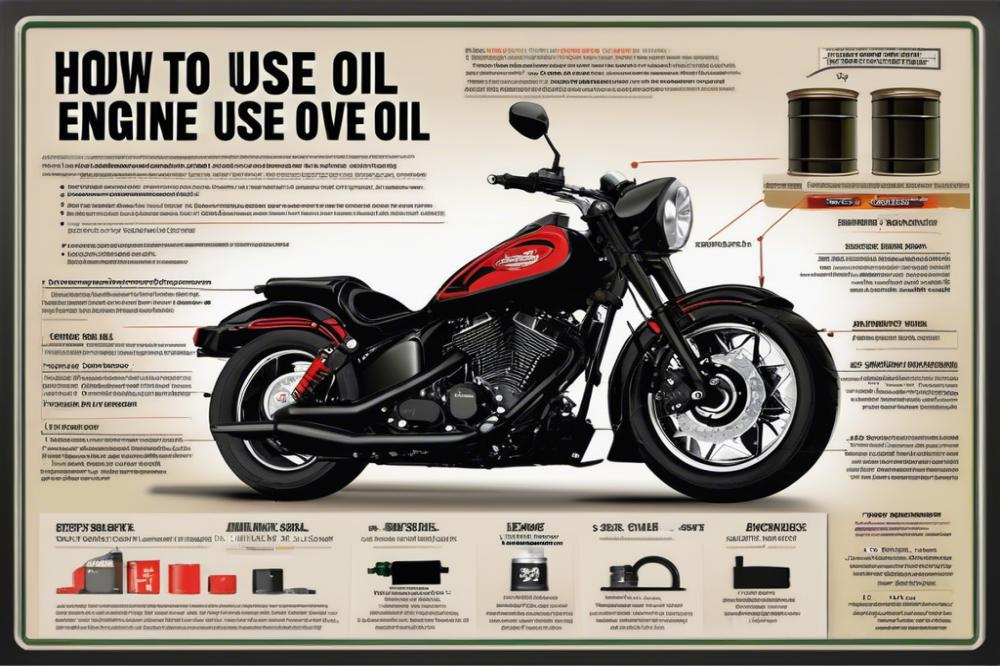
Checking oil levels is more crucial than many realize. Regular maintenance prevents costly repairs down the line. Follow this step-by-step guide to ensure your vehicle remains in top shape.
Step-by-Step Guide for Checking Oil Levels
Begin with finding a level surface. A sloped area could give you false readings, and nobody wants that! Next, let the engine cool down for at least ten minutes. This allows the oil to settle, providing a more accurate measurement.
Open the hood carefully. Most hoods have a prop rod or hydraulic lift that secures them. Locate the dipstick—it’s usually a brightly colored handle. Pull the dipstick out gently and wipe it with a clean rag. This initial wipe removes any oil on the stick, giving you a clear reading.
Insert the dipstick back into the tube, and pull it out once more. Now check the oil level against the markings on the dipstick. There’s typically a series of notches or slots indicating “full” and “low.” If the oil is below the minimum line, it’s time to add some.
Don’t forget to check the oil’s color and consistency while you’re at it. Fresh oil typically looks amber and somewhat transparent. If it appears dark and contains debris, it may be time for an oil change.
Importance of Checking Oil Levels Regularly
Why is this so vital? Oil lubricates the engine components, ensuring smooth operation. Insufficient levels can lead to overheating and severe damage. Just as you wouldn’t run a marathon without hydration, your vehicle also craves proper lubrication.
Think of it this way: Regular checks safeguard your investment. A drop in levels or quality might mean more than just an inconvenience; it could end up costing you a fortune in repairs. Addressing small issues promptly pays dividends in the long run, especially with motorcycle care.
Tools Needed for Checking Oil Levels
No magic wands are required here! Just a couple of straightforward items. A clean rag or paper towel is essential for wiping the dipstick. To top off the oil, you’ll need a funnel for precision.
Consider having a measuring container for accurate oil addition. No one wants to overfill and create a mess. Check the owner’s manual for the type of oil that suits your vehicle best. Know what you’re working with; it’s like a recipe—mixing the wrong ingredients won’t yield the desired results.
Caring for your engine means being proactive. Remember, it’s not just a routine; it’s also about preventing wear and tear, thereby enhancing bike protection. Following maintenance tips religiously can extend the life of your engine significantly.
How to Change Engine Oil
Materials Needed for an Oil Change
Before diving into the oil change process, gather your materials. You’ll need the following items:
- Fresh engine oil
- Oil filter
- Wrench set
- Oil catch pan
- Funnel
- Rags or paper towels
- Gloves (optional, but recommended)
Having these supplies on hand will streamline the experience. Likewise, don’t forget to check the specifications for your vehicle’s required oil type and capacity. A motorcycle care manual can be your best friend here. It’s like having a cheat sheet for maintenance tips.
Step-by-Step Procedure for Changing Engine Oil
The first step requires you to lift your vehicle, if it’s a car, using jack stands. For a bike, just ensure it’s stable. Start warming the engine for a few minutes. Warm oil flows better. Next, position the oil catch pan beneath the oil pan drain plug. When you are set, remove the drain plug. Watch out! Oil may flow out quickly. Allow the used oil to drain completely; patience pays off here.
Once all the old oil has drained, replace the drain plug and tighten it securely. Moving on, grab that oil filter. Use your wrench to unscrew the old one. Often, there’s a little oil left in the old filter, so stay prepared for a slight spill. Before installing the new filter, apply a small amount of oil to the new gasket. This helps create a better seal and makes future removal easier.
Now, it’s time to pour in the fresh engine oil. Position the funnel over the oil fill cap, and take it slow. Pour the oil according to the specifications in your owner’s manual. After adding the oil, wait a minute and check the dipstick. This helps ensure you’ve filled it to the correct level. If you need more, simply add more. If you’ve added too much, you’ll have to remove some; that’s a hassle no one enjoys!
Tips for Proper Disposal of Used Oil
Disposing of old oil correctly is crucial. Pouring it down the drain? Don’t even think about it. Used oil can contaminate water supplies. Instead, take it to a recycling center or an auto parts store that accepts used oil. Many facilities offer this service for free, making it as easy as pie.
Keep in mind that it’s not just good for the environment; it’s a responsibility. Protecting your bike and the planet goes hand in hand. This process is part of routine maintenance that offers numerous engine oil benefits in the long run. In the end, handling your waste responsibly reflects your care for both your vehicle and the surroundings.
Signs of Engine Oil Problems
Low or dirty engine oil can lead to a range of issues that you simply cannot ignore. Smelling something strange while riding your motorcycle? That might be a sign of oil burning due to leaks or degraded oil quality. Check for any odd sounds as well. A loud ticking or knocking noise could indicate insufficient lubrication for the engine parts.
An unexpected dip in performance might be more than just a bad day for your bike. Engine oil benefits include keeping engine components moving smoothly, so any noticeable lack of power can be a red flag. Also, dark or gritty oil shows that the lubricant has lost its effectiveness. If it appears thick and sludgy, it’s time to think about a change.
Common Indicators of Low or Dirty Engine Oil
Inspect your oil level regularly. A lower-than-normal level suggests something isn’t right; could be a leak or consumption. Check the oil color as well. Oil that is not the typical amber hue may need replacing. Cloudiness or a milky appearance indicates contamination with water. That’s definitely a cause for concern.
Worn-out oil can lead to excess friction within the engine, causing parts to wear prematurely. Given that your motorcycle relies on these moving components, neglecting such maintenance tips can lead to costly repairs. Have you noticed an increase in oil consumption? If this keeps happening, don’t ignore it; that’s another sign that something’s amiss.
Consequences of Neglecting Engine Oil Maintenance
Failure to change the lubricant can lead to major engine damage. That’s like letting a fire burn low—eventually, it’ll go out. Overheating is another consequence. Without proper lubrication, friction builds up, resulting in a hotter engine. A hot engine does not equal happy riding.
Regular motorcycle care, including timely oil checks, isn’t just for peace of mind. It’s about preserving the lifespan of your ride. Think of engine oil like the elixir of youth for your machine; without it, you might find yourself facing a hefty repair bill.
Engine Oil Maintenance Tips
Regular Oil Change Intervals
Changing your oil regularly is akin to giving your vehicle a fresh start. Most manufacturers recommend replacing it every 3,000 to 5,000 miles, but newer models can often go longer. Always consult your owner’s manual for the specific interval, as some engines may demand different schedules. Forgetting this key maintenance task can lead to increased wear and tear. It’s not just about following a guideline; it’s about keeping your engine in tip-top shape.
Best Practices for Maintaining Engine Oil Quality
Keeping a close eye on oil levels is essential for engine longevity. Regularly check dipsticks, as low levels can spell trouble. Besides checking volume, observe the oil’s color and texture. Fresh oil usually appears amber and smooth, whereas dark or gritty oil may indicate contamination. Changing the filter during an oil change is also an excellent practice. A clean filter helps maintain proper flow and minimize debris.
Additional Tips for Engine Longevity
Incorporating engine oil benefits yields great dividends. Treat your engine with respect by using quality oil that’s appropriate for your bike. Many riders overlook motorcycle care; however, it’s crucial. Consider joining a community of fellow enthusiasts to share tips on maintenance. Don’t underestimate the importance of regular check-ups. Routine inspections can uncover potential issues before they snowball into expensive repairs.
Use additives wisely, as some can enhance protection and performance. While some swear by them, others prefer sticking to their traditional methods. Always read the labels and choose products that complement your engine’s needs. Making small adjustments, like using synthetic oils, can deliver superior protection, especially in extreme conditions. Outfit your bike with proper tools for quick oil changes. You never know when a simple task might save you from a hefty repair bill.
Riding with mindfulness also impacts engine health. Keeping to recommended routes can prevent unnecessary strain on your vehicle. Pay attention to how it behaves in various conditions. Is there a strange noise? Is it running smoother than usual? These observations can guide your maintenance routine. Remember, every bike has its quirks, and learning them can be fun.
Taking the time to give your engine a little TLC will remind you that you’re in for the long haul. After all, owning a motorcycle isn’t just about getting from point A to B; it’s about the journey. Protecting your investment is ultimately a shared responsibility. Your bike deserves it!
Wrapping Up the Basics of Motorcycle Engine Care
The significance of oil in motorcycle maintenance cannot be overstated. It serves not just as a lubricant but also as a safeguard against friction and wear, vital for keeping your engine humming along smoothly. Just like a well-oiled machine runs without a hitch, routine checks on this crucial fluid can greatly extend the lifespan of your two-wheeled companion. Ignoring such a fundamental aspect of maintenance could lead to costly repairs, not to mention potential safety hazards on the road.
Staying proactive is key. Every time you think about hitting the open road, take a moment to glance over your oil levels. It’s a small investment of your time that pays huge dividends down the line. Oil changes shouldn’t feel like a chore—they’re an opportunity to check in with your bike and ensure its heartbeat remains strong. You wouldn’t ignore the doctor’s appointment, so why let your motorcycle skip its check-up?
For those eager to dive deeper into this subject, a wealth of resources is available. Seeking out guides on motorcycle care and maintenance could enrich your understanding and fill in any knowledge gaps. Websites, forums, and books can provide invaluable insights. Additionally, research on Choosing the Best Coolant can also enhance your knowledge on maintaining optimal engine temperatures, which complements your oil care efforts beautifully.
Above all, remember that taking a proactive approach to motorcycle maintenance is the TRUE essence of keeping your ride in peak condition. Treat your motorcycle with respect, and it will reward you with countless smooth rides and perhaps a few more adventures along the way. Keep the wheels turning and the spirit high!