Understanding the Need for Motorcycle Helmet Cameras
In the realm of motorcycling, safety often takes precedence. For many riders, motorcycle helmet cameras are not just accessories; they have become essential tools for enhancing safety and capturing the intricacies of their journeys. Imagine cruising down a scenic highway, the wind in your face, and the open road ahead. In such moments, the last thing on your mind might be the staggering number of potential hazards lurking just around the bend. However, being prepared can make all the difference and having the right equipment can serve as a reliable ally.
motorcycle helmet cameras benefits extend far beyond mere documentation. These devices provide an innovative way to record the thrill of the ride, turning everyday adventures into memorable stories. It’s like having a personal videographer, albeit one that never complains about the weather or asks for payment. Such recordings can be fantastic for reliving experiences with friends or sharing unique moments on social media, giving others a taste of life on two wheels.
Furthermore, helmet cameras can offer substantial legal assistance. In the unfortunate event of an accident, recorded footage can serve as crucial evidence, clarifying the circumstances surrounding the incident and potentially safeguarding a rider’s interests. This aspect cannot be understated; navigating the labyrinth of legal discussions often requires more than just words. It requires solid proof. So, imagine it: the view from your helmet could end up proving you were in the right when it counts most.
On a more practical note, integrating motorcycle helmet cameras into your riding routine can enhance communication. For groups of riders, being able to share visuals in real-time facilitates better interaction. Many motorcycle enthusiasts don’t just ride solo; they travel in packs and rely on technology—from navigation tools to travel Hands-Free Bluetooth Systems. This technological synergy amplifies the joys of the ride—after all, there’s something truly special about sharing the rhythm of the road with friends while ensuring everyone stays on the same page.
While investing in such technology may seem like a splurge, the multifaceted advantages they offer can outweigh the costs. These ensembles of glass and circuitry can make the journey safer while providing you with a trove of beautiful memories. So, next time you gear up for an adventure, consider how a simple camera affixed to your helmet could transform your ride into something extraordinary.
Understanding Motorcycle Helmet Cameras
Definition and Purpose
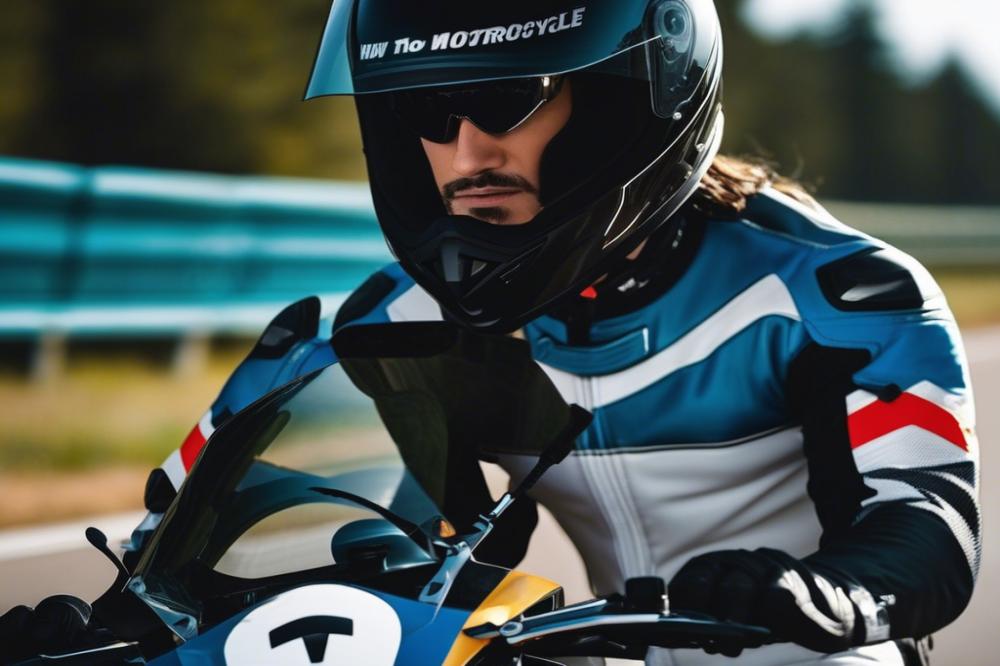
Motorcycle helmet cameras serve a straightforward yet significant function. They capture video footage from a rider’s perspective, providing a unique viewpoint of the road. Apart from deliciously reliving your journeys, these devices can act as valuable evidence in case of accidents. Imagine being involved in a dispute over what happened during a ride. The recorded footage might just be the convincing argument you need. Additionally, these cameras can help new riders learn from their experiences by reviewing their performance and safety practices. When used wisely, the motorcycle helmet cameras benefits extend beyond mere documentation.
Different Types of Helmet Cameras Available
Diversity exists in the types of helmet cameras you can choose from. Some models are designed for simplicity and portability, perfect for every rider’s varying needs. Others boast advanced features like 4K recording, image stabilization, and even night vision capabilities. You can find action cameras that seamlessly attach to your helmet or those that come with built-in mounts. Meanwhile, some popular brands dominate the market with tried-and-true reliability. When selecting a camera, consider how you’ll use it—will it be for leisurely rides, or do you crave the thrill of adventure sports? The differences greatly affect which model works best for you.
Features to Look for in Motorcycle Helmet Cameras
When shopping for a camera, several key features deserve attention. High-resolution video recording is essential; you’ll want to capture those breathtaking landscapes in clear detail. Look for devices that include decent battery life; no one wants their recording cut short halfway through a memorable ride. Additional options, such as rider communication capability, can enhance your experience. Imagine chatting with your fellow riders while capturing the ride. navigation tools often come in handy, allowing you to keep track of routes without losing focus on the road. Finally, consider any built-in safety features, such as crash detection alerts, which could signal a need for assistance.
In summary, the realm of motorcycle helmet cameras offers thoughtful choices that cater to a variety of needs. Equip yourself with the right information and gear up to capture the journey ahead.
Choosing the Right Camera
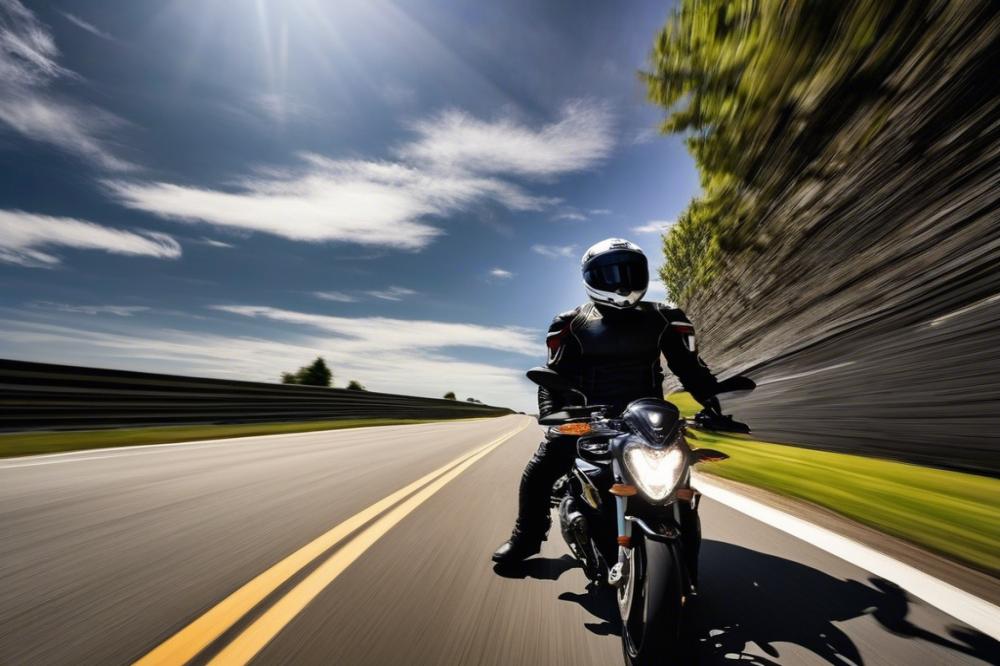
When it comes to capturing your rides, picking the perfect camera is crucial. It’s not just about attaching a gadget to your helmet; it’s about enhancing your entire riding experience. Certain key factors can make or break your filming adventures.
Key Factors to Consider
Resolution is your starting point. A higher resolution means clearer, sharper images. If you’re hitting breathtaking trails, you want that scenery to pop. Look for at least 1080p, but 4K is even better for those who crave ultra clarity.
Next on the list is field of view. This refers to how much the camera can capture. A wider angle will provide more context for your rides, especially on twisty roads or bustling urban streets. Narrow fields might miss the action happening just outside the frame.
Battery life can turn a good ride into a frustrating one. Picture this: you’ve clocked hours on the road, and your camera dies just before the best view. Aim for a model that promises several hours of recording time to avoid such sore moments.
Popular Brands and Models
Now, let’s talk brands. GoPro remains a heavyweight champion in the action cam arena. They offer sturdy models known for reliability and excellent video quality. Another option is DJI’s Osmo Action, which delivers stunning visuals with a user-friendly interface. Both have their own set of unique motorcycle helmet cameras benefits.
Then there’s Insta360, making waves with its 360-degree cameras. Imagine capturing everything around you while enjoying a ride. You’ll get immersive footage perfect for encouraging rider communication, showing friends that perfectly captured mountain curve.
Budget Considerations
Money always plays a role here. High-end models can be pricy, but quality often comes with a cost. Consider what you can spend, but remember that investing in a reliable camera pays off in enhanced safety and memorable adventures. Sometimes, a model just under $300 meets all basic needs.
Don’t forget to factor in accessories. You might need mounts, extra batteries, or protective casings, which can add to your overall expenses. Setting up a budget will save you from splurging and regretting later.
In the end, reflect on your specific needs. What kind of riding do you do? Adventure touring, daily commutes, or racing with friends? Each scenario can dictate the ideal gear for you. Choose wisely, and that camera could become your best companion on two wheels.
Required Accessories for Installation
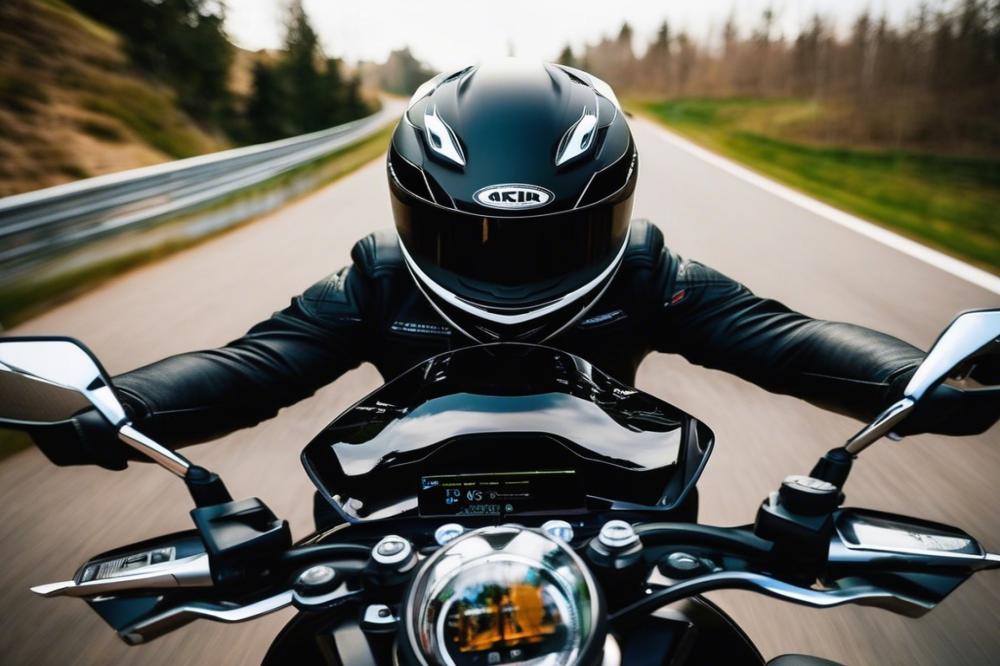
Installing motorcycle helmet cameras isn’t just about slapping a device on your headgear. It’s akin to setting up a small film crew ready to capture all the thrilling moments on the road. Selecting the right accessories can truly elevate your riding experience, transforming it into a visual adventure.
Mounting Options
Various mounting options exist for those who wish to document their journeys. Adhesive mounts provide a strong bond to the surface of the helmet. They are often designed to withstand the force of wind while maintaining a secure hold. For riders who prefer flexibility, helmet mounts can be adjusted or repositioned as needed. Meanwhile, side mounts offer a unique perspective, giving viewers a glimpse of the world as seen from the rider’s point of view.
Choosing the right type largely depends on personal preference and the style of riding. Sometimes, the angle can make all the difference. Strong winds may push the camera around, so it’s crucial to pick a mount that adapts well to your speed and the contours of your helmet.
Other Essential Accessories
An array of essential accessories is necessary to ensure optimal performance of your device. SD cards play a crucial role in capturing and storing footage without running out of space mid-adventure. Selecting high-capacity cards will prevent interruptions in recording, allowing you to focus on the thrill of the ride rather than worrying about memory limits.
External microphones can significantly enhance rider communication and audio quality. Wind noise can easily drown out voices, but a quality mic captures every laugh and shout you share with your riding buddies. Furthermore, extra batteries are absolutely essential for those long trips. Nothing feels more frustrating than footage interrupted by a dying battery just as the scenery peaks.
Equipping yourself with these accessories offers a lightweight yet comprehensive toolkit that can enrich your experience. After all, when riding, enhanced safety, and capturing moments should go hand in hand.
Preparing Your Helmet for Installation
Inspecting Helmet Compatibility
Before diving into camera installation, assess your helmet’s compatibility. Most motorcycle helmets have a smooth outer shell that can accommodate different mounting options. Problems might arise if your helmet has a complex design or unique features. A quick glance at the user manual can provide insight into mounting strengths or limitations, so don’t overlook this source. It’s also important to consider the weight of the camera; overly heavy devices may throw off the balance of your helmet.
Cleaning the Surface for Mounting
Cleanliness is vital when attaching any device, and that holds true for your camera. Start with some mild soap and warm water to remove dirt, oils, or residues. Follow up by drying the area thoroughly. A clean surface allows adhesive mounts to stick better. Some riders swear by using rubbing alcohol for a more thorough clean. That’s right; a little preparation can improve your camera’s performance. No one wants their camera to take an unexpected tumble mid-ride.
Deciding on Camera Placement for Optimal Footage
Camera placement can make or break your filming experience. Many riders opt for the forefront of the helmet to capture a great view of the road ahead. However, others prefer side mounting for unique perspectives. Think about what type of footage you wish to capture. Would you want vibrant road views or engaging shots of your fellow riders? Always factor in the motorcycle helmet cameras benefits. A well-placed camera enhances not just the scenery but can also contribute to rider communication and navigation tools. Plus, strategic placement can bolster your overall safety. After all, an ill-angled camera won’t do justice to that epic mountain ride. Take your time; experiment with different positions before making it permanent.
Step-by-Step Installation Guide
Tools Needed for Installation
Before diving into the installation process, gather the necessary tools. You will need a camera designed specifically for helmet use, a suitable mount or adhesive, and a small screwdriver. A cleaning cloth is also helpful for preparing the helmet surface. If your model allows it, a secondary backup strap can enhance stability. With these items on hand, you’ll set yourself up for a smooth installation experience.
Detailed Instructions on Attaching Camera to Helmet
Begin by choosing an appropriate spot on the helmet. The front is usually ideal for capturing the rider’s perspective. First, clean the area where you’ll attach the mount. A clean surface aids in a strong bond.
Remove the adhesive backing on the mount. Press it firmly against the helmet, applying even pressure for at least thirty seconds. This promotes adherence. If your camera comes with a quick-release mechanism, ensure it is securely attached before proceeding. It’s a handy feature for removing the camera swiftly when necessary.
Next, fit the camera onto the mount, ensuring it sits snugly. Adjust the angle for optimal viewing. Many riders prefer a forward tilt to capture approaching vehicles and road conditions. Tighten any screws or adjustments as necessary. You want it secure but avoid overtightening; too much pressure can damage your helmet.
After adjusting everything, double-check the installation. A quick inspection now can save you from a shaky video later on.
Testing Mount Stability Before Use
Before hitting the road, perform a stability test. First, gently tug on the camera to ensure it’s secure. Any movement may indicate a weak bond. If you notice any looseness, consider reapplying the mount or using additional safety straps for peace of mind.
Next, take your helmet for a short test ride. A controlled environment is best for gauging how well the camera stays put. Pay attention to vibrations and shifting during your ride. If it remains steady, you’re good to go.
Having a camera mounted properly enhances safety, meaningful for capturing rides or connecting with fellow riders. With all these considerations, you’re now equipped to share your motorcycle adventures, use navigation tools effectively, or simply enjoy the ride while documenting it for future reference.
Tips for Optimal Camera Usage
Best Practices for Recording
Recording isn’t just about hitting the button. Start with proper positioning; align your camera to capture the maximum view. Often, mounting it on the side of the helmet can provide a first-person perspective that enhances videos. When it comes to sound, consider using an external microphone if your model allows it. This ensures clearer rider communication and captures important ambient noises. Check storage regularly; nothing is worse than realizing you have no space right before that unexpected moment. Always keep a backup battery handy, as filming can drain power quickly.
Adjusting Camera Settings for Different Conditions
Light conditions can vary wildly. For bright sunny days, reduce your camera’s exposure settings. Doing so prevents overexposure and allows for rich, vibrant colors in your footage. Conversely, in low light, increasing the ISO will help the camera pick up more detail. Don’t shy away from experimenting. Changing frame rates can also significantly affect how smooth your footage appears. On twisty roads, a higher frame rate captures motion better, making everything seem dramatic. Consider using stabilization features; they can smooth out unexpected jolts and vibrations, contributing to better visual quality.
Safety Considerations While Riding
Riding is thrilling but safety must always come first. Attach your motorcycle helmet cameras securely; a poorly mounted device can distract you or become a hazard if it dislodges. It’s crucial to maintain full focus on the road. Avoid checking your camera settings while in motion—this is where accidents happen. When riding in groups, plan ahead. Utilize your cameras for rider communication by coordinating video captures, ensuring everyone gets their glory on film without any chaotic moments. Lastly, respect privacy. Capture what’s necessary, but be mindful of those around you. Sometimes, less is more when it comes to what you choose to record. Remember, the goal is to enhance safety, not create more risks on the road.
Editing and Sharing Your Footage
Overview of Video Editing Software Options
Editing the footage captured by motorcycle helmet cameras is the next step to enhance your riding adventures. Several software options are available, catering to different skill levels. Beginners might prefer simple applications like iMovie or Windows Movie Maker. Both offer user-friendly interfaces that allow for basic cuts and transitions. More experienced editors often turn to programs such as Adobe Premiere Pro or Final Cut Pro. These provide advanced features, allowing for precise editing, color correction, and special effects.
Interestingly, mobile apps have gained traction in recent years. Applications such as GoPro Quik or InShot can edit directly on your smartphone. This makes it convenient to share moments as they happen. Keep in mind that investing time in learning a software can significantly improve your final product. Tutorials and online communities can provide guidance and tips to assist in the editing process.
Sharing Platforms for Motorcycle Footage
Once editing is complete, the next logical step involves sharing your footage. YouTube is the most popular platform for this purpose. It allows for a vast audience, enabling fellow motorcyclists to enjoy your rides. Vimeo is another excellent choice for high-quality video content. This platform fosters a creative community and can lead to valuable feedback.
Social media platforms like Instagram and Facebook also provide avenues for sharing snippets of your rides. Short clips work well on these platforms, keeping your audience engaged. TikTok has emerged as a fun way to showcase quick highlights, blending creativity with a touch of humor. Just remember to tag your videos properly to reach motorcycle enthusiasts.
Legal Considerations When Sharing Videos Online
While sharing footage can be exhilarating, it’s crucial to consider the legalities. First, always respect the privacy of others. If you capture someone else’s likeness, they might not be too keen on seeing it online. Permission can be a lifesaver.
Secondly, be careful with the content you share. Infringing on copyright laws can lead to headaches. Using music from copyright-free sources ensures that your videos remain free from claims. It’s also wise to familiarize yourself with the rules of the platform you choose. Different sites have varying standards and policies regarding offensive content.
Lastly, think about the potential repercussions of sharing certain riding behaviors. Footage that showcases dangerous practices may send the wrong message. Aim to promote safe riding and the benefits of camaraderie among riders. Videos that highlight rider communication and navigation tools can contribute positively to the community. After all, enhanced safety should be the ultimate goal of every rider.
Wrapping It Up
In a world where every twist and turn can lead to adventure—as well as unforeseen mishaps—motorcycle helmet cameras play a vital role for modern riders. Capturing experiences on the road not only enhances your enjoyment but also serves as an invaluable tool for safety. Imagine being able to review an incredible ride or share breathtaking scenery with friends, all while having a record of your journey. This technology allows you to document valuable moments and provides evidence in the event of unforeseen incidents. In many ways, these cameras are not just gadgets; they are companions on your journeys, offering a new perspective on the rides you cherish.
Prioritizing safety is paramount, and equipping your gear with a camera takes that commitment a notch higher. Whether it’s for recreational purposes or as a means to provide a clearer picture in case of accidents, the benefits are manifold. Aside from ensuring you have a record of your experiences and adventures, capturing those moments can provide insight for both you and other riders. By reviewing footage, you can analyze riding techniques, learn from mistakes, and celebrate triumphs. Think of it as a digital companion that offers a new layer of support, much like having advanced motorcycle intercoms that keep you connected with fellow riders while on the move.
So, as you embark on your journey of installing and using helmet cameras, remember that technology does not replace the essence of riding. It complements it. To make the most out of your camera, embrace creativity in your recordings and utilize navigation tools that can enhance your journey. It’s all about capturing life on two wheels—along with its ups and downs. Remember to have fun with it! Those moments spent speeding down the open road are best savored. So gear up, hit the road, and allow your camera to tell your story. Happy riding, and may your adventures be as memorable as they are safe!