Enhancing Your Ride with Bike-to-Bike Communication Devices
For many motorcyclists, the thrill of the open road brings a sense of freedom that’s hard to beat. Yet, while the wind in your hair and the rumble of the engine can be exhilarating, the road can also be unpredictable. This is where innovative technology steps in to bridge the communication gap. Bike-to-bike communication devices have emerged as essential tools for riders who want to share experiences, navigate challenging routes, and bolster their overall safety. These clever gadgets enable direct conversation between riders, transforming solitary rides into a collective journey.
Communication remains a vital component of effective motorcycling. A quick chat about a change in plans, alerting fellow riders to potential hazards, or simply sharing a laugh during a scenic detour can enhance the camaraderie of group rides. Consider this: have you ever missed an exit because your buddy didn’t signal? These moments, often trivial, can significantly impact safety and enjoyment on the road. Utilizing rider communication tools helps prevent misunderstandings and reduces the chances of accidents, thus underscoring the importance of connection among riders.
The goal of this article is to unpack how these devices function and the ways they can elevate your riding experience. We will explore the bike-to-bike communication devices benefits that make them indispensable. Additionally, we’ll look at how they serve as navigation tools, aiding not just in route direction but also in the sharing of experiences that create bonds among riders. Enhanced safety is another critical facet we will explore, as these devices offer peace of mind during outings, whether tackling busy highways or venturing into the wild. So, strap on your helmet, and let’s dive into this fascinating world—and maybe even a few anecdotes—from the open road!
Before we embark on this exploration, let us not forget the impact of essential Satellite Communicators, which can be a lifeline in emergencies. While we focus on bike-to-bike gadgets, having a backup communication option is prudent for every motorcyclist’s safety. Buckle up your helmets, for we are about to unveil the thrilling possibilities that await!
Understanding Bike-to-Bike Communication Devices
Definition of Bike-to-Bike Communication Devices
Bike-to-bike communication devices allow motorcyclists to converse with one another while on the road. These tools promote seamless rider communication, enhancing the experience of motorcycling. Riders can exchange messages, share important information about their surroundings, or even navigate together. Think of it as a digital companion that can keep you connected with your fellow bikers.
Types of Devices Available in the Market
Various types of devices line the shelves, each catering to different rider needs. Bluetooth headsets have gained popularity for their ease of use. They often attach to helmets, allowing riders to communicate hands-free. Intercom systems also provide direct voice communication. Some are standalone, while others integrate into existing radio or navigation systems. This diversity allows bikers to select a solution that matches their riding style and comfort level.
Key Features and Technologies Used
Numerous features enhance these communications tools, making rides not just thrilling but safer as well. Many devices offer long-range connectivity, making it feasible to chat over considerable distances. Advanced noise-cancellation technology ensures that wind and engine sounds don’t drown out conversations. Some models even come with navigation tools, guiding riders while keeping them informed about landmarks or route changes. Enhanced safety becomes a paramount benefit, as riders can alert one another to obstacles or road conditions in real-time.
Additional technologies include pairing capabilities, enabling connectivity with smartphones and GPS units. Imagine receiving podcast updates or music playlists while riding—now that’s a unique twist! Compatibility with voice-activated commands further elevates convenience, allowing for hands-free operation. Riders are advised to assess their individual needs, as features vary widely among products.
Benefits of Using Bike-to-Bike Communication Devices
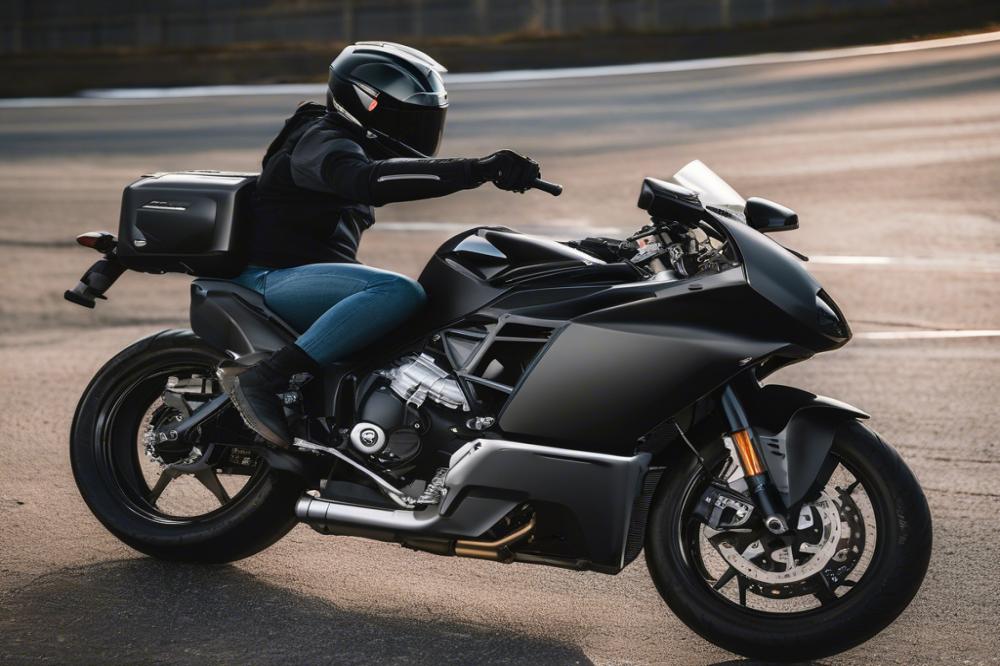
Riding a motorcycle can be exhilarating, but it also comes with its share of risks. One significant advantage of incorporating communication technology into your ride is the improved safety and situational awareness it fosters. Imagine the peace of mind that comes from knowing you can easily share information with fellow riders. If a hazard suddenly appears or a road obstacle looms ahead, a timely warning can mean the difference between a close call and a serious accident. Additionally, by maintaining open lines of communication, riders can respond to each other’s movements more fluidly, reducing the probability of mishaps.
Furthermore, group rides transform dramatically when equipped with these devices. Riders can coordinate seamlessly, making the experience more enjoyable for everyone involved. No more frantic hand signals or frantic shouting to convey your next move; just simple, crystal clear communication. Enjoy the camaraderie and the shared experience rather than spending time trying to figure out where everyone is or where you’re headed. During those longer journeys with friends, navigation tools can help keep the group together, turning an otherwise chaotic effort into a synchronized adventure.
Real-time updates and alerts play a crucial role in ensuring that everyone is on the same page. Whether it’s a sudden rainstorm or news of an upcoming road closure, immediate notifications can help adjust plans accordingly. Riders can avoid traffic snarls or bad weather, saving time and frustration. When everyone stays informed, the overall experience of the ride gets elevated significantly. Riders can share insights about road conditions, fuel stops, or even the best places to grab a bite to eat. A simple message can enhance leisure time and keep adventure alive.
How to Choose the Right Device
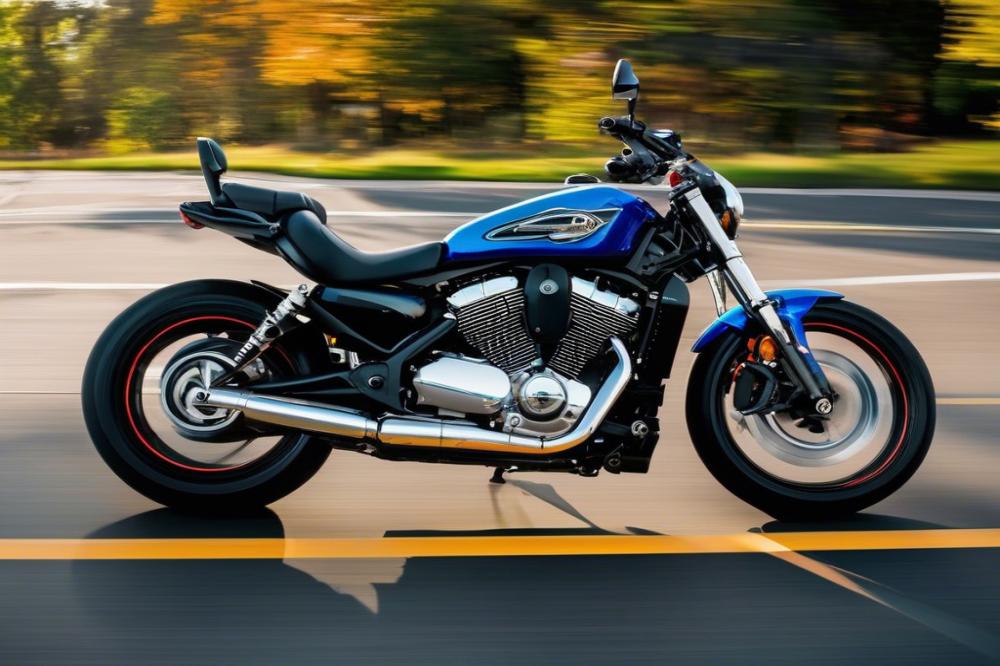
Selecting a bike-to-bike communication device requires thoughtful consideration. Various factors influence the decision-making process. Primarily, evaluate the specific features that align best with your riding style and requirements. Not every device is built equal, and understanding your needs will streamline your search.
Factors to Consider When Selecting a Device
First, think about the range. Some devices boast impressive distances, perfect for long group rides, while others cater to city commuting. Consider also the ease of use. A complex setup may lead to frustration during a ride, and nobody likes fiddling with gadgets when they’re on the road. Look for models that allow for simple pairing and intuitive controls. After all, rider communication should be seamless, not complicated.
Compatibility with Helmets and Other Gear
Compatibility is paramount when choosing your device. Ensure it fits comfortably with your helmet without causing inconvenience. Some devices attach externally, while others integrate more discreetly. You’ll want to avoid something that compromises safety or comfort. Furthermore, check if the system works well with other gear. Many accessories, such as GPS units, can enhance your riding experience, so compatibility across the board is a bonus.
Budget Considerations and Options
Your budget will significantly influence your options. The market offers a wide array of prices, so establish a budget range before diving too deep. More expensive devices often include advanced features like noise cancellation and enhanced safety capabilities. If your usual routes involve high traffic areas, investing in a model that features excellent audio quality can be crucial. Alternatively, there are cost-effective choices that still provide basic functionalities. The key is to balance cost with the bike-to-bike communication devices benefits.
A budget-friendly device might lack some bells and whistles, but for casual riders, it can fulfill basic needs without breaking the bank. Remember, it’s not just about the initial purchase. Think about compatibility and potential upgrades in the future. Sometimes a slightly pricier model may save you money long-term.
Installation and Setup
Step-by-step Installation Guide for Different Device Types
Installing bike-to-bike communication devices may seem daunting, but it can be a rewarding project. Begin by reading the manufacturer’s instructions. Each model is unique, and following specific guidelines is crucial for success. Generally, mount the device securely on your helmet or handlebar. Use the provided clamps or adhesive pads. Opt for a location that does not obstruct your view or feel cumbersome. Afterward, connect the device to your power source. Many modern options utilize rechargeable batteries, so ensure you have charged it fully before your first ride.
Next, pair the device with your riding partner’s unit. This typically involves entering a common frequency or utilizing pairing modes. Be patient during this process. If things don’t connect immediately, sometimes a simple restart of the devices does wonders. For those models that include navigation tools, integrate those features following the connection to streamline your experience on the road.
Tips for Ensuring Optimal Performance
Maximize functionality by regularly checking device settings. Use noise-canceling features when needed, especially in windy conditions. Position microphones pointing toward the mouth for clearer sound quality. Also, make sure the volume is appropriately set. Too low, and you could miss vital updates; too high, and you risk hearing loss.
Keep your communication devices clean and free from debris. Dust and grime can hinder performance, causing static or connectivity issues. Regularly inspect all connections, ensuring they are tight and secure. If you find moisture present in the device after a rain ride, dry it off promptly to protect its inner components. Remember, gadgets don’t like to get wet.
Common Troubleshooting Issues
Encountering problems? You are not alone. A frequent issue is poor audio quality. If your device sounds tinny or distorted, check the settings first. Adjust volume and clarity options before anything else. Sometimes, interference from other electronic devices can disrupt sound. If this occurs during rides, try switching to a different frequency or moving away from the source of interference.
Pairing failures can be frustrating. If a connection seems impossible, turn off both devices and start afresh. Also, ensure that both units are within range of each other. For those relying on mobile apps for functionality, ensure your smartphone has the latest updates installed. If all else fails, consult the troubleshooting section of the user manual or check online forums. Rider communication should not be a source of stress; know that solutions often come from fellow enthusiasts who’ve been in your shoes.
Reviews of Popular Bike-to-Bike Communication Devices
Overview of Leading Brands and Models
A host of manufacturers produce bike-to-bike communication devices that enhance rider communication. Brands like Sena, Cardo, and UClear have carved their niches, each offering unique features. Sena, for instance, boasts models like the 50S, which incorporates cutting-edge Mesh Intercom technology. This feature allows multiple riders to communicate seamlessly over long distances. Cardo’s PACKTALK series is another contender, known for its impressive range and clear sound quality. Meanwhile, UClear offers the AMP series, which stands out with its boomless microphone and high-fidelity audio performance.
Comparison of Features and Performance
When comparing features, consider aspects such as range, battery life, and connectivity. Sena’s 50S provides an impressive range of up to 2 miles in open settings. Cardo often excels in ease of use with its voice-activated controls. UClear’s models might not reach the same distances, yet they deliver stellar audio quality, making them suitable for various preferences. Battery life varies significantly, with some devices lasting up to 20 hours on a single charge, perfect for long rides. Rider communication can grow complicated with multiple devices, but many of these models allow pairing with smartphones for navigation tools or music playback.
User Feedback and Ratings
User experiences reveal much about the practicality of these devices. Many riders praise Sena’s sound clarity, stating it’s as if they are talking face-to-face, even at highway speeds. Cardo users often highlight its snowball effect, allowing groups to easily expand their intercom connections during rides. UClear gets mixed feedback; its audio is strong but some users wish for a longer connectivity range. Overall, ratings fluctuate, but most models earn commendations for improved safety through clearer communication. Engaging with fellow riders becomes effortless, and that’s a notable advantage.
Real-Life Applications and Experiences
Motorcyclists have found various uses for communication devices on their rides. Many groups utilize these gadgets to keep in touch with one another during long trips. Riders often share stories of how simple conversations made their journeys more enjoyable. For instance, rallying together for a scenic detour or informing each other about a sudden change in traffic can be a game changer.
Motorcycle clubs frequently highlight their experiences. One member noted how they planned a cross-country trip with multiple stops. Communication tools allowed the group to coordinate meal breaks seamlessly. Riders could discuss options like local diners or sighting spots without misplacing a single motorcycle. This level of connection means members can focus on enjoying the ride instead of mere logistics.
Enhanced safety is another significant advantage. Riders in groups appreciate alerts for hazards ahead. A sudden shift in weather or an unexpected obstacle can be communicated efficiently. The ability to give cautionary advice is invaluable, especially for those on unfamiliar roads. They can react quickly, minimizing the chances of potential accidents.
Equally important are the navigation tools integrated into modern devices. One rider recounted a time when they had strayed off course in an unfamiliar area. Their companions quickly identified the error and redirected them back on track. Traditional maps are useful, but verbal directions between friends feel more personal.
Testimonials often reveal a sentiment of camaraderie. A motorcycle group shared how their social outings deepened. Riding side by side, they exchanged jokes effortlessly while keeping their eyes on the road. The subtle connection and communication have quirky effects, like recalling a hilarious mishap related to learning new routes together.
Not all rides will provide perfect conditions. Some riders have braved rain while relying on these devices for guidance and companionship. One experienced motorcyclist explains that shared screen information on their rides was a lifesaver. Knowing their companion was also facing the rains made all the difference in their morale. Such experiences have broadened the appeal of communication technology in varying weather.
Even solo riders find value in building a network through communication aids. Lonesome long stretches become rich with shared adventures as riders broadcast their whereabouts. An unexpected flat tire can transform from a solitary struggle into a collective effort when friends can leap into action from nearby. Hence, meaningful interactions arise, weaving stronger bonds between riders.
Over time, the benefits of these devices have become apparent. Enhanced communication results in increased confidence while exploring new challenges. Riders can share scenic sites, pinpoint actual fuel stops, and even alert each other to lunch break locations. These small things might seem trivial, but they turn ordinary excursions into extraordinary memories.
Future of Bike-to-Bike Communication Technology
Emerging Trends and Advancements
The world of rider communication is evolving at an impressive rate. New technologies are emerging that enhance connectivity between motorcyclists in ways previously deemed impossible. For instance, advancements in mesh-network technology allow multiple riders to communicate over greater distances without losing signal quality. The days of shouting over the wind are becoming a thing of the past. Incorporating features like group chats or even video feeds is no longer just a concept from sci-fi movies.
Wearable devices are also entering the scene. Imagine receiving navigation tools right on your wrist, seamlessly guiding you to your next destination. As competitors race to improve their offerings, the benefits of bike-to-bike communication devices will likely become even more pronounced. In light of recent developments, expect to see sharper sound quality, longer ranges, and even better battery life.
Integration with Smart Devices and Apps
Integration appears to be the name of the game. Riders can now connect their communication systems to smartphones via Bluetooth. This connection enables access to countless apps that improve navigation, safety, and overall riding experience. Think about it: your bike not only talks to your buddy’s but also interacts with a navigation app. You might receive alerts about traffic, weather updates, or the best scenic routes. Such capabilities add layers of practicality to the ride.
Moreover, as technology progresses, these devices may incorporate augmented reality. Picture this: as you ride, vital stats and environmental data could be displayed right before your eyes, thanks to smart glasses. This wealth of information could make a significant difference in enhanced safety. Impacts will be felt not just by seasoned riders, but also by newcomers eager to explore the open road with a tech-savvy edge.
Predictions for the Future of Rider Communication
Several possibilities lie ahead. One can expect bike-to-bike communication devices to become more common, especially as younger generations embrace riding culture. Ease of use combined with functionality will be key for new users. As people dive into these technologies, fostering a sense of community among riders will be more attainable.
Cybersecurity is another issue that cannot be overlooked. As systems become more interconnected, the potential for data breaches increases. Developers must prioritize security features. Riders should feel safe while sharing experiences and vital information. Furthermore, the trend towards eco-friendly tech is gaining traction. Solar-powered communication devices could pave the way for sustainable riding.
Anticipate a future where communication among riders transcends traditional methods. Imagine spontaneous group rides facilitated by app invites, or even dynamic routing that adjusts in real-time based on fellow riders’ locations. This isn’t just a departure; it’s an exciting evolution that promises to change how bikers perceive their journeys. By embracing these unique aspects of communication technology, riders will navigate with confidence and camaraderie.
Final Thoughts on Enhancing Your Riding Experience
As we’ve explored throughout this article, bike-to-bike communication devices play a pivotal role in elevating the motorcycling experience. The freedom of the open road paired with a group of friends is something many cherish, but it can be daunting without a means to communicate. Riders can share critical information about road hazards, traffic patterns, or simply where to stop for that famous burger joint. With the right gear, every ride can transform into a shared adventure rather than a solitary journey.
Reflecting on the potential these devices provide, it’s clear they bridge the gap between isolation and camaraderie. Just think about it: cruising down a winding highway, the wind whipping past, and suddenly your phone buzzes with a message about an unexpected detour. Wouldn’t you rather get a heads-up on that curveball while feeling the thrill of camaraderie? The integration of these tools means that every moment spent on two wheels can be enriched. By seamlessly connecting fellow riders, navigation tools become not just gadgets but essential companions for any trip.
The joy of motorcycling often lies in the stories shared and experiences bonded over. By incorporating communication Wireless Helmet Speakers, riders can keep the conversation flowing without taking their hands off the handlebars. Imagine chatting with buddies about everything from the best routes to favorite bike modifications, all while enjoying the majestic landscapes whizzing by. It’s like having a mini-road trip podcast, where the topics are chosen by you and your friends.
In wrapping this up, we encourage every motorcycle enthusiast to delve into the possibilities of bike-to-bike communication devices. Exploring various options will empower you to identify what works best for your riding style. Staying connected on the road can make all the difference, whether you’re navigating local trails or embarking on an ambitious cross-country ride. So gear up, stay safe, and let the adventures unfold with friends—you never know what hilarious scenario might arise or what hidden gem of a diner could be just a few miles ahead!