
Understanding Adjustable Suspension Kits
Motorcycle enthusiasts often engage in lively debates about optimal performance, and one of the central topics that frequently emerges is the role of suspension systems. Adjustable suspension kits have become a popular topic among riders looking to enhance their overall experience. These kits are designed to allow motorcyclists to fine-tune their bike’s suspension setup, adapting it to various riding conditions and personal preferences.
The Significance of Suspension in Motorcycle Performance
Riding a motorcycle isn’t merely about how fast one can go; it’s also about how smoothly the journey unfolds. A well-designed suspension plays a crucial role in achieving rider comfort, especially during long rides. Whether navigating through twisty mountain roads or cruising across the open highway, a motorcycle’s suspension absorbs shocks and vibrations, creating a more enjoyable experience. When bumps in the road become mere blips rather than jolts, a rider can focus more on enjoying the ride and less on wrestling with their machine.
Why This Article Matters
Understanding the adjustable suspension kits benefits can transform the way you perceive your motorcycle’s capabilities. This article aims to explore various types of systems available on the market today. By delving into the features, advantages, and drawbacks of each option, we hope to equip you with knowledge that will aid in making informed choices regarding motorcycle accessories. After all, when you’re equipped with the right information, you’re on the path to TRUE mastery over your ride.
Consider how important comfort is on those long journeys. It can often be the difference between an enjoyable day in the saddle and a backache that sends you straight to the chiropractor. Therefore, we’ll also touch upon how investing in enhancements like adjustable suspension kits pairs well with other upgrades, such as Maximizing Comfort with Seat Covers with Memory Foam. Ultimately, this exploration is all about ensuring that your motorcycle experience is tailored to your individual taste and comfort level.
Understanding Suspension Basics

Motorcycle suspension is a critical component affecting both handling and comfort. To grasp this subject thoroughly, one must familiarize themselves with its primary elements. The suspension system consists mainly of springs, shock absorbers, and linkages. Springs serve as the backbone, compressing under load and absorbing bumps. Shock absorbers, on the other hand, control the spring’s rebound. They can prevent the motorcycle from bouncing uncontrollably after hitting a pothole. Linkages connect the shocks and springs to the bike’s frame, providing essential stability during turns and stops.
Types of Suspension Systems in Motorcycles
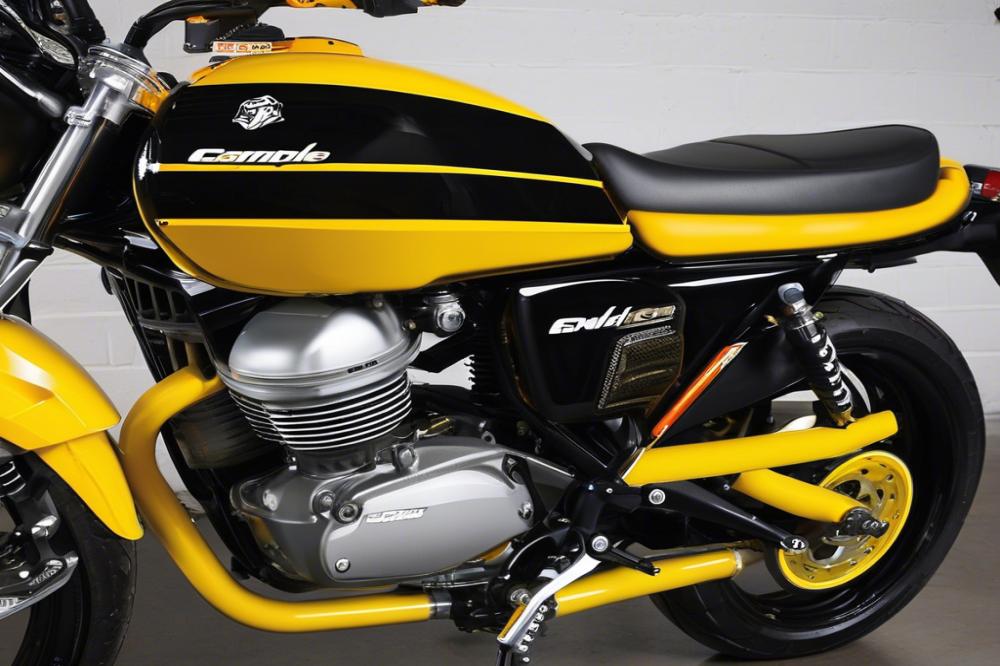
There are various types of suspension systems used in motorcycles, each designed for specific riding styles. The most common setup is the traditional telescopic fork, which is prevalent in cruisers and touring bikes. A dual-shock rear suspension often complements this design. Some bikes employ a monoshock design, where a single shock absorber handles the rear suspension tasks. This arrangement is typical in sportbikes for improved handling and stability at high speeds. Additionally, adventure bikes may use an adjustable system, tailored for long rides over diverse terrains. Each design has its strengths and weaknesses, influencing rider experience.
Overview of Adjustable vs. Non-Adjustable Suspension

When discussing suspension, adjustable options bring to mind various benefits. An adjustable suspension kit allows riders to modify settings based on personal preference or road conditions. Fine-tuning compression and rebound can greatly enhance rider comfort, especially during long trips. Conversely, non-adjustable systems are simpler, often more affordable, but may lack flexibility. Riders who prefer straightforward motorcycle accessories might find these systems adequate. However, those who frequently ride in different conditions might quickly realize the limits of a fixed setup.
The choice between adjustable and non-adjustable suspension hinges on riding style and bike usage. Consider this: a weekend cruiser might find joy in an uncomplicated system, while a daily commuter facing fluctuating road conditions may benefit from the adaptability of adjustable options. Suspension affects how a motorcycle feels, responds, and, ultimately, how enjoyable a ride can be. Ultimately, understanding these differences can lead to better decisions when upgrading your ride.
Types of Adjustable Suspension Kits
Understanding the different kinds of suspension kits can be quite enlightening. There are a few main categories to consider. Each type has its own merits, tailored to different riding styles and preferences.
Coilover Kits
Coilover kits are a popular choice. They combine springs with shock absorbers into a single unit. Riders often appreciate these for their potential to enhance handling and performance. On rough terrain, the adjustable ride height can be a game changer. However, installation can be intricate, and maintenance might require more attention.
Air Ride Suspension
Air ride systems utilize air-filled bags instead of traditional springs. This allows for adjustable ride heights with a simple flick of a switch. They’re known for excellent rider comfort, especially on long rides. Yet, these systems can be pricey and might face reliability issues over time if not maintained well.
Progressive Rate Springs
These springs are unique in their ability to change stiffness based on the load. They provide a smoother ride when lightly loaded yet stiffen up under heavier loads. Enthusiasts often tout their versatility. However, they lack the fine-tuned adjustability that some riders may desire.
Height Adjustable Shocks
This category includes shocks that allow riders to modify the height of their motorcycle. Such adjustability can greatly impact handling and comfort. The ease of making on-the-fly adjustments is appealing. Yet, riders should check compatibility with their specific model, as this can vary.
Comparison of Features in These Kits
Features vary widely among the different kits. Coilovers generally offer a blend of performance and customization, often favored by those seeking enhanced feedback. Air rides, meanwhile, shine in terms of comfort. Adjustability is a huge factor for many. Height adjustable shocks can be a good middle ground, offering reasonable comfort without overly complex setups.
Accessibility also plays a role. Installation time differs between kits. A coilover setup might require professional help, while others could be a weekend DIY project. If you’re not keen on complicated mounts, you might want to stick to simpler options.
Advantages and Disadvantages of Various Types
Each type presents its own set of pros and cons. Coilover kits tend to offer excellent handling and can be highly adjustable. However, they may sacrifice some comfort over long rides. Meanwhile, air ride systems provide unparalleled rider comfort, but their cost and maintenance needs can deter some riders.
Progressive rate springs allow for flexibility that many find appealing but may disappoint those looking for granular adjustments. Height adjustable shocks provide a compromise, appealing to those wanting enhanced convenience without breaking the bank. Ultimately, choosing the right system includes weighing personal preferences for performance against comfort.
When considering motorcycle accessories, weighing options against riding habits is key. Whether it’s weekend trail rides or daily commutes, the right kit can enhance your riding experience. Take the time to familiarize yourself with the specs and feedback from other riders before making a choice.
Key Features to Consider
Preload Adjustment
Preload adjustment is often overlooked but plays a crucial role in rider comfort. This feature allows you to raise or lower the bike’s stance by altering the spring tension. A stiffer setting can help handle heavier loads, like luggage, on long rides. Conversely, reducing the preload can enhance comfort for lighter riders. It’s not just about looks; the correct preload can prevent bottoming out over bumps. Remember, finding the right balance involves some trial and error. A bit of tinkering could go a long way to optimize performance.
Compression and Rebound Damping Settings
Understanding compression and rebound damping settings is essential for any serious rider. The former controls how fast the suspension compresses when encountering obstacles, while the latter dictates how quickly it returns to its original position. Ideally, you want to look for adjustable suspension kits that allow fine-tuning of both aspects. Too firm a setup might make the ride jarring; too soft can compromise handling. By adjusting these settings, every rider can tailor their motorcycle to their unique preferences, enhancing overall performance in diverse conditions. After all, who wants to feel like they’re riding a marshmallow over bumps?
Overall Build Quality and Materials Used
Build quality and materials cannot be neglected when choosing suspension options. Higher-quality components generally translate to longer-lasting performance. Look for aluminum or high-grade steel as they offer a good balance between durability and weight. Many motorcycle accessories are attractively designed, but that doesn’t mean they’ll withstand the test of time. Inspect the seals, construction, and finishes closely. Solid choice of materials ensures a smoother ride, especially when hitting those rugged trails. Investing in dependable suspension means keeping your bike, and ride experience, in top-notch condition.
Popular Brands and Models
Review of Top Brands Offering Adjustable Suspension Kits
When searching for adjustable suspension kits, several top brands leap to mind. Iconic manufacturers like Ohlins, Fox Racing Shox, and WP Suspension dominate the market. These companies have established a reputation for producing high-quality motorcycle accessories that enhance rider comfort. Each brand brings its own flavor to the table, resulting in a spectrum of options for riders.
Ohlins is particularly noted for its premium performance. With decades of experience in suspension technology, they cater to both casual riders and competitive racers alike. Fox Racing Shox has carved out a niche in off-road and motocross markets, providing robust solutions that can withstand harsh conditions. WP Suspension, on the other hand, excels in off-road segments, focusing on durability and adaptability.
Comparison of Specific Models from Each Brand
Ohlins offers the Model TTX39, which is heralded for its exceptional adjustability and fine-tuning capabilities. Riders often praise the linear damping, which allows for precise handling on diverse terrains. Conversely, Fox Racing Shox provides the Float X2, which shines in compression adjustments, making it a favorite among trail enthusiasts seeking balance between comfort and performance.
In the off-road realm, WP Suspension’s XPLOR Pro stands out. It delivers consistent performance over long rides, much to the delight of adventurous bikers. Comparing these models reveals that Ohlins focuses on fine-tuning, while Fox leans towards compression efficiency. WP shines in rugged versatility, demonstrating the diverse adjustable suspension kits benefits available for various riding styles.
User Reviews and Expert Recommendations
User feedback can be incredibly illuminating. Many riders rave about the plush feel Ohlins offers, especially on lengthy journeys. They appreciate how it smooths out bumps, turning rough roads into manageable rides. In contrast, enthusiasts of Fox Racing Shox often comment on the precise adjustments available. They note how these improvements can make a world of difference in both performance and safety.
Experts in the field consistently recommend these brands. The phrase “you get what you pay for” rings TRUE, particularly with Ohlins. They may carry a higher price tag, but for dedicated riders, the investment pays dividends in comfort. When it comes to off-road challenges, however, Fox and WP garner praise. Their affordability and efficiency strike a chord with those tackling more rugged terrain.
In casual conversations, riders often enjoy debating which brand reigns supreme, leading to friendly rivalry. Amid this spirited dialogue, it’s clear that a unanimous favorite does not exist; personal preferences and riding styles dictate the best choice. When considering adjustable options, weigh the pros and cons from both personal experience and community insights. After all, nothing beats a firsthand account on the open road.
Installation and Maintenance
Guidelines for Installing Adjustable Suspension Kits
Installing these kits requires attention and care. Start by reviewing the manufacturer’s instructions. Each kit may have specific requirements that vary from one model to another. Make sure your workspace is clean and well-lit. This reduces the chance of losing small parts.
Remove the old suspension components methodically. Keep track of any nuts, bolts, or spacers. A container helps you stay organized. Often, a friend can assist, making the job easier and more enjoyable. Position the new components carefully. Aligning everything correctly is crucial for functionality. After securing the suspension, double-check all connections. Loose fittings can lead to unnecessary complications down the road.
Common Maintenance Practices to Ensure Longevity
Routine checks are essential for performance. Look for signs of wear or leakage before embarking on long rides. Regularly inspect the settings to adapt to different road conditions. Adjusting the stiffness can greatly enhance rider comfort. Don’t forget about cleaning. Dirt and grime can accumulate, affecting overall performance.
Lubrication is also key. Apply lubricant to moving parts as recommended by the manufacturer. Be gentler with the spray; a little goes a long way. Scheduled maintenance intervals allow you to catch issues before they escalate. Revising the user manual could also reveal hidden tips.
Potential Pitfalls During Installation
Over-tightening components can lead to breakage. This is a mistake that many make in their enthusiasm. Misalignment of parts is another common issue. Just a slight deviation can throw off the entire setup.
Failing to torque bolts correctly may lead to unsafe riding conditions. Make sure to use a torque wrench to avoid this pitfall. Also, don’t rush the process, even when you’re excited about motorcycle accessories. Patience is vital when installing adjustable suspension kits.
Ignoring the need for professional help can be risky. If uncertainty arises, consult with a technician. It may save time and ensure everything fits snugly. Always remember, a well-installed system can transform the riding experience.
Performance Impact
Effects of Adjustable Suspension on Ride Quality
Rider comfort significantly improves with the right setup. Adjustability allows for tailoring suspension to match personal preferences and road conditions. Changing the stiffness for a cushy ride or a firmer setup for handling creates options. Riders embarking on long journeys benefit from a setup that absorbs bumps while maintaining stability. Imagine sailing over potholes and uneven surfaces like a boat on gentle waves. Gone are the days of stiff rides that jar the spine.
How Suspension Affects Handling and Cornering
Handling transforms dramatically based on suspension settings. A sportier, lower setup can lead to increased responsiveness in corners. Riders might feel like they’re gliding rather than merely turning. Conversely, a higher setup may enhance stability but sacrifice agility. Many factors contribute to this dance: weight distribution, tire contact, and even rider skill. As cornering dynamics shift, so does the thrill of leaning into a turn, making every ride an adventure.
Real-World Performance Comparisons
Comparisons often reveal notable differences between fixed and adjustable systems. While fixed systems may limit versatility, adjustable kits adapt to varying needs. One rider might prioritize comfort, while another seeks precision in cornering. Cost-effective solutions abound in the realm of motorcycle accessories, ensuring that various budgets find a match. A well-designed suspension can turn a mundane commute into an exhilarating experience. Just think about it: the same motorcycle feels like a new machine with a few simple tweaks. All these factors illustrate just how pivotal suspension choices are for any rider.
Cost Analysis
Overview of price ranges for adjustable suspension kits
Prices for adjustable suspension kits can span a wide spectrum. On the lower end, you might find basic models starting around $200. These offer fundamental adjustments, perfect for casual riders. Mid-range options, often priced between $500 and $1,500, cater to bikers looking for enhanced performance without breaking the bank. Premium kits can bill upwards of $2,000, providing top-tier features such as precise damping control and advanced materials. When comparing these products, it’s important to note that the price often reflects the technology and durability involved.
Cost vs. value considerations
When evaluating cost versus value, consider how often and where you ride. If long rides are a part of your routine, investing in high-quality motorcycle accessories can significantly enhance rider comfort. A cheap kit might save money upfront but can lead to a bumpy and uncomfortable experience, making those extended journeys a chore. Oftentimes, a higher price tag equates to better materials and features designed to endure the test of time. Assess your needs and riding style; a more expensive kit could yield greater long-term satisfaction.
Factors influencing the price
Several factors play a role in the pricing of these components. Brand reputation can substantially affect costs; more established companies often charge a premium for their name and customer service. Additionally, the complexity of installation can influence pricing. Kits that require professional setup tend to carry a higher price due to necessary labor costs. Features such as material quality and adjustability options also come into play. Products with advanced technology or unique designs will usually fetch a higher price due to the additional research and development involved. Riders should weigh these aspects before making a purchase to achieve the best fit for their needs.
User Experiences and Testimonials
Motorcycle riders often speak passionately about their experiences with suspension kits. They provide insight into real-world benefits that might not be apparent from a product description alone. Taking the feedback from numerous riders into account helps in understanding the practical advantages of different models.
Many users rave about how adjustable suspension kits transformed their long rides. One enthusiastic rider noted, “I used to dread bumpy roads, but now I glide over them like butter on hot toast!” Such vivid descriptions highlight the substantial changes in rider comfort that can be achieved.
Feedback is not uniformly positive, though. Some bikers mention challenges with installation or adjusting settings. A common grievance is the complexity involved. It’s not uncommon for these riders to feel a bit overwhelmed. They wish for clearer instructions or even a simple video guide.
In contrast, another rider pointed out how intuitive a specific kit was. “Once I understood the basics, I felt like a kid with a new toy,” she shared. This indicates that user-friendly designs do exist, making it crucial for potential buyers to assess these aspects before making a choice.
Not every experience is about comfort, either. Performance is frequently cited as a key factor. According to a few individuals, their motorcycles handled corners significantly better after upgrading their suspension. One rider humorously mentioned, “My bike went from a drunken sailor to a ballet dancer!” Such comparisons underline the profound impact of a responsive setup.
User experience ultimately guides many in their decisions. Many motorcyclists read reviews and engage in forums before purchasing any motorcycle accessories. They recognize that nothing beats firsthand knowledge. The dialogue surrounding different kits becomes an invaluable resource for newcomers and seasoned enthusiasts alike.
Many riders recommend seeking out local clubs or online communities to share and gain insights. When riders interact, they often share tips on maintenance, adjustments, and different riding styles. This communal knowledge sheds light on the long-term performance of various suspension options.
In summary, the wealth of user feedback provides critical information for anyone considering an upgrade. Although each rider’s needs may vary, the collective wisdom from their experiences can tip the balance in favor of one kit over another. Choices become clearer when one understands the genuine voices behind the products.
Final Thoughts and Recommendations
Throughout our exploration of adjustable suspension kits, we’ve highlighted the essential differences and features that can make or break your vehicle’s performance. From ride height adjustments to varying damping rates, it’s evident that each option offers something distinct, catering to diverse driving styles and conditions. One undeniable takeaway is that investing in the right suspension can transform the driving experience—much like how Effective Use of Neck Warmers can elevate your comfort level during cold drives.
While some kits promise a straightforward enhancement of ride quality, others delve deeper into performance modifications, allowing enthusiasts to truly tailor their vehicles. Moreover, the importance of suspension settings cannot be overstated. Consider how a vehicle performs under various road conditions; it’s much like picking the right outfit for an occasion. If you wear a tuxedo to a casual BBQ, you might feel out of place. Likewise, using the inappropriate suspension setup for your vehicle can leave you feeling unbalanced.
As you contemplate which kit to choose, remember that automotive needs vary significantly from one person to another, akin to how snowflakes each boast their own intricate designs. Thus, taking time to assess personal driving habits, vehicle type, and future intentions with your car is crucial. In many ways, enhanced suspension kits act like the backbone of a vehicle—offering both support and adaptability. TRUE, settling on the perfect kit might seem daunting, but with enough research and guidance, it’s absolutely achievable.
In closing, let your decision reflect what you truly prioritize in your driving experience. Does comfort top your list? Or are you aiming for all-out performance on the track? Regardless, a well-chosen adjustable kit can deliver significant improvements. So, buckle up, do some homework and go out there to make your ride as smooth as can be. Let the adventure begin!