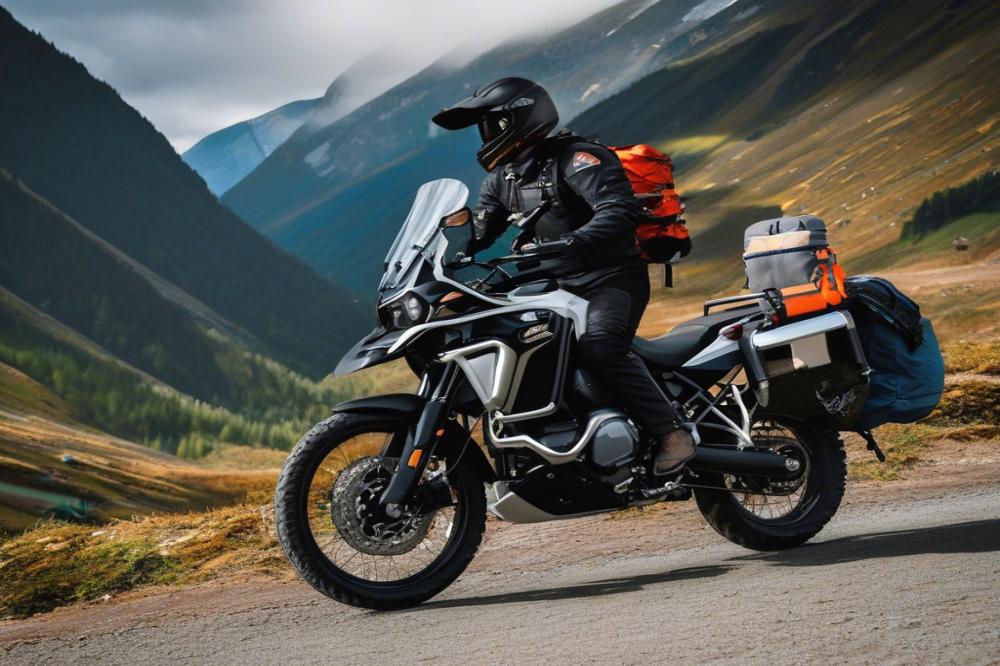
Setting the Scene for Adventure
When the open road beckons, nothing quite compares to the thrill of motorcycle travel. It’s a dance of wind and wheels, a pulse that syncs with the heartbeat of freedom. However, even the most intrepid rider knows that behind every exhilarating journey lies a need for solid navigation. That’s where the significance of essential motorcycle maps comes into play.
Imagine embarking on a long-distance riding adventure without a guide—like walking into a library and being unable to read! Essential maps provide a lifeline, capturing the essence of routes, interesting detours, and potential pitfalls. Knowing how to navigate diverse terrains ensures that your ride isn’t just a random collection of roads but a meaningful exploration teeming with experiences. Trust me, even the most seasoned riders have learned the hard way that an unexpected turn can lead to a less-than-ideal outcome.
The Road Ahead: Purpose and Audience

This article is crafted for motorcycle enthusiasts eager to enhance their journey while keeping a mindful eye on their budgets. It serves as a toolbox filled with essential motorcycle maps tips, designed to make both new and seasoned riders feel more confident as they slip into their helmets and embark on their next journey. Whether preparing for a weekend getaway or planning that epic cross-country trek, insightful strategies can significantly enrich the experience.
We’ll delve into various money-saving techniques that can enhance your journey without compromising your spirit of adventure. By learning to choose the right maps, understanding their features, and maximizing their value, riders can transform tedious planning into an exciting part of their adventure riding narrative.
A good map is more than just a piece of paper; it’s a ticket to discovering the untold stories hidden along America’s backroads and byways. As we explore the various aspects of motorcycle mapping, don’t forget: these excursions are not just about reaching the destination, but also about savoring each moment on the road. So, strap on that leather jacket, kick the tires, and get ready for some truly transformative tips. Remember, the essence of motorcycle riding is not just the journey itself, but everything that comes with it—whether thrilling or tranquil. Let’s ride smart!
Understanding Essential Motorcycle Maps

Definition and Types of Motorcycle Maps
Motorcycle maps come in various forms. These are tools that help riders navigate their journeys more efficiently. The most common types include road maps, topographic maps, and city maps. Road maps provide overall routes and main highways, while topographic maps show terrain elevation and land features. These are particularly useful for adventure riding where terrain might not be ideal. Moreover, digital maps have gained popularity due to their real-time updates and GPS integration. Riders on long-distance trips often benefit from specialized maps that highlight scenic routes and points of interest.
Importance for Navigation and Planning Rides
Planning a ride can feel overwhelming at times. However, the right map simplifies this process. For motorcycle travel, understanding your route is crucial. Maps can reveal potential hazards, such as construction zones or unpaved roads, thus avoiding unpleasant surprises. Mentioning alternative routes is vital. A good map can transform a monotonous ride into a scenic adventure. Consider how knowing the location of gas stations or cafes can enhance a journey, especially during long-distance riding.
Riders also appreciate the ability to plan overnight stops. Identifying campgrounds or motels along the route can shape a trip from merely functional to downright enjoyable. Having access to detailed maps enhances the sense of freedom that comes with riding. The ability to explore new paths while feeling secure about where you’re going is invaluable. After all, it’s not just about the destination. It’s about making memories along the way.
In summary, motorcycle maps assist not only in navigation but also in engaging with your environment. Whether you’re zipping through winding roads or exploring backcountry trails, having essential motorcycle maps in your arsenal can turn a standard trip into an extraordinary journey. So grab that map, and let the road lead you to adventure!
Budget-Friendly Map Options
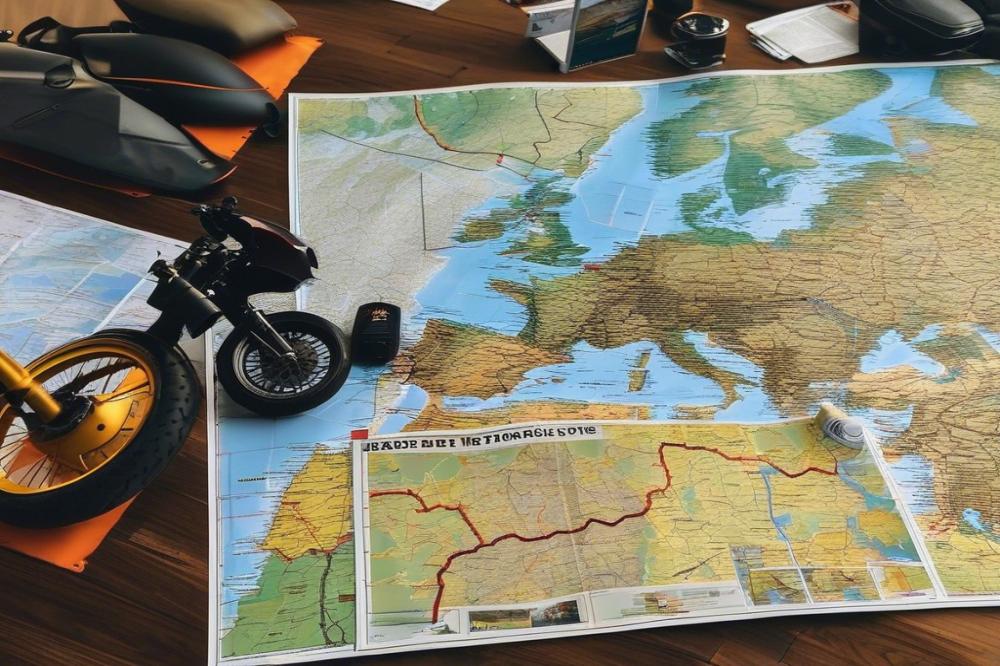
Overview of Affordable Map Types
Choosing the right maps for motorcycle travel can seem daunting, especially with a tight budget. Traditional paper maps are often inexpensive and readily accessible. Many riders swear by their reliability, as they don’t require any battery power or internet connection. For long-distance riding, these maps can become trusted companions that withstand the test of time, even fading a little from sun exposure.
Digital options have exploded in popularity, with many apps available for download. Some of these applications offer offline capabilities. This feature proves handy when traversing remote areas with spotty reception. Planners can customize routes, making them ideal for adventure riding. If you’re tech-savvy, many resources are free or cost a fraction of printed alternatives. However, always check your device’s battery life—nobody wants to get stranded without a map.
Comparison of Digital vs Paper Options
Let’s break it down: paper maps shine when battery life isn’t on your side. They invite a tactile experience, allowing a leisurely scan of the terrain under the sun. You can even doodle notes or highlight favorite spots, brightening the planning process. On the flip side, digital maps frequently offer real-time traffic information and route updates. You can find alternate paths when a detour becomes necessary.
Budget considerations also vary significantly between these two formats. While initial costs for paper maps may seem lower, the cumulative expense can rise if you frequently replace them. Digital options can be loaded onto multiple devices—an excellent choice for riding in groups. If someone’s phone takes the plunge in a puddle, others can share their screens without missing a beat.
Every rider needs to weigh personal preferences. Some enjoy the nostalgia of unfolding a map, while others relish the convenience of a screen. Whether you embrace the old school or are an avant-garde techie, both require a degree of preparation. As you prepare your arsenal of essential motorcycle maps tips, remember that both formats can complement each other. Just like a good pair of riding gloves, having options ensures a smoother journey.
Free Resources for Motorcycle Maps
Online Resources for Free Maps
Accessing online resources is a smart move for any rider looking to save money on motorcycle travel. Multiple websites offer free digital maps tailored for long-distance riding and adventure riding. MapQuest and Google Maps provide route planning tools, including options to avoid highways or scenic shortcuts. Riders often overlook specialized forums like RideApart or Adventure Rider, where fellow enthusiasts share customized GPX files. Moreover, local weather and terrain features can be found on sites like Weather.com or AllTrails, helping you plan trips with added insight. If you’re a tech-savvy individual, utilize apps like Rever or Calimoto, which offer free versions with essential mapping features.
Local Tourist Offices and Motorcyclist Communities
Don’t underestimate the value of local tourist offices. They usually have paper maps and brochures that you can’t find online. Instead of paying for pricey guidebooks, pop in and inquire about routes that cater specifically to motorcycle riders. These offices often provide insights into nearby attractions and hidden trails, essentially offering a personal touch to your adventure planning.
Consider connecting with motorcyclist communities in your area. Local chapters of organizations like the Motorcycle Safety Foundation often hold events where maps and tips are exchanged. It’s an excellent way to learn from seasoned riders about the best roads and any shortcuts that will make your journey unforgettable. Anecdotes from fellow bikers can also lead you to discover unique trails and hidden gems that most tourists overlook. Online platforms such as Facebook Groups or Meetup.com could serve as gateways to these communities, allowing for collaboration and shared knowledge.
You may be surprised by how nurturing these networks can be. A simple conversation at a bike night can lead to invaluable map recommendations for your next epic trip. So, as you prepare for your next ride, keep your eyes open. Every stop is a chance to gather more essential motorcycle maps tips.
How to Create Your Own Motorcycle Map
Tips for Mapping Out Favorite Routes
Packing your bike and hitting the road can be a thrilling experience. Before you rev the engine, taking the time to plot your journey can turn a good ride into a great one. Begin by considering regions that resonate with your sense of adventure. Do you crave picturesque mountain views, winding roads, or coastal highways? Pinpointing these on a map can save you from ending up on dull stretches.
Incorporating local attractions can add spice to your trip. From quaint diners to historic landmarks, these stops can enhance your motorcycle travel experience. Be sure to draw on input from fellow riders. Online forums and social media groups often yield gems of information. Veteran bikers love sharing their secrets, and they might point you toward hidden paths that aren’t on mainstream maps.
Always remember to keep safety in mind. High traffic and unpredictable weather can turn an enjoyable ride into a challenging experience. Opting for less traveled roads might mean slower speeds, but they’ll often reward you with beautiful scenery and fewer obstacles.
Using GPS and Mapping Software Effectively
Modern technology provides valuable tools for adventure riding. Mapping software, like Google Maps or specialized motorcycle apps, can be incredibly advantageous. Input your starting point and desired destination, then let the software generate potential routes. However, don’t just accept the first option it suggests. Look at alternative paths; these can lead to thrilling surprises along the way.
Riders often create custom routes based on personal preferences. Mixing in back roads or scenic byways can provide a unique experience that mainstream paths miss. Try to familiarize yourself with potential hazards as well. Some areas may have rough patches or difficult terrain not captured in digital maps.
Using GPS devices is another smart way to navigate. Many come equipped with features specifically designed for bikes. Features like live traffic updates keep you informed, while waypoints allow you to bookmark interesting stops. Just ensure your device is mounted securely. Nothing interrupts the flow of long-distance riding like fumbling with a map on the fly.
Pixels aside, don’t forget the value of traditional paper maps. They can serve as a reliable backup when technology fails. The tactile nature of flipping through a physical map can also ground you during your travels. With heartfelt imagination, you take charge of crafting your own journey. Prepare your bike and thrill your senses; the open road awaits.
Essential Features to Look for in Motorcycle Maps
When selecting motorcycle maps, clarity is non-negotiable. Clear representation of roads and terrain can make the difference between a fun ride and an unexpected detour through the woods. High-quality routes can lead to breathtaking views. Additionally, maps should detail important landmarks that could serve as great rest stops. Look for maps that include gas stations, restaurants, and emergency services when planning long-distance riding. These features often serve as lifelines during less familiar adventures.
Another critical element pertains to scale. A map with an appropriate scale allows riders to grasp distances easily. Too small, and you might miss vital side roads; too large, and your next twisty turn could sneak up on you. Consider topographic features as well. Elevation changes can significantly affect motorcycle travel, especially for those who prefer a good challenge. Riders tackling mountain passes should have maps illustrating inclines and declines.
Key Elements that Benefit Riders
Modern maps often come equipped with helpful symbols. Familiarizing yourself with these can save time on the road. Additionally, many maps provide route options optimized for various types of adventure riding. Want to take the scenic route? Or do you prefer the quickest path? Both should be clearly marked. Enthusiasts may appreciate the inclusion of historical trails or scenic byways, transforming a simple ride into a memorable journey.
Interactive features can elevate the experience even further. If the map includes QR codes or links to additional resources, it’s a game-changer. Real-time information about road conditions can be invaluable for riders who like spontaneity. Digital maps often have the added advantage of being easily updated. Gone are the days of outdated paper maps. Opt for features like downloadable GPS routes to keep options open, especially for those unexpected turns of fate.
What to Avoid in Map Selection
Not every map is created equal. Some may present information that is overly complicated, cluttered with unnecessary details. A cluttered presentation can distract from crucial information you genuinely need on the road. Avoid maps that lack indexing or organization. Time wasted flipping through pages can lead to missed turns or navigational errors.
Certain types of map formats may also reduce usability. Digital maps that rely solely on battery life without any backup may lead to disaster. Always consider how easy it is to read a map in various lighting conditions. Maps that are too glossy can reflect sunlight terribly, rendering them virtually useless during midday rides. Lastly, steer clear of maps that do not provide emergency contact information. When things go awry, knowing who to call can be a heavy weight off your shoulders.
Using Mobile Apps for Motorcycle Navigation
Benefits of Apps Over Traditional Maps
Relying on mobile apps for navigation offers motorcycle enthusiasts many advantages. For starters, apps provide real-time traffic updates. Knowing which routes to avoid can save valuable time, especially during urban motorcycle travel. Additionally, many applications boast features like voice-guided directions, allowing riders to keep their eyes on the road instead of fumbling with a paper map.
Greater customizability is another significant draw. Riders can choose routes that align with their preferences, whether they’re planning an adventurous twisty ride or a long-distance journey. How about those spontaneous detours to that off-the-beaten-path diner? Apps can help find those hidden gems. Moreover, the ability to download maps for offline use makes them especially useful in areas with poor cell service, keeping all essential information accessible.
Top Budget-Friendly Motorcycle Navigation Apps
Several mobile applications cater to motorcycle travel without breaking the bank. One popular choice is Waze. It offers versatile routing options, active community updates, and a user-friendly interface. Riders can often share routes and conditions, enhancing the collective knowledge of the riding community.
Another fantastic option is Google Maps. While it may not be tailored specifically for motorcycles, its extensive database provides detailed information on roads, conditions, and even gas stations. That can be a lifesaver on long-distance riding trips. Users can create custom routes and save them for future use.
Rever stands out for those passionate about adventure riding. It combines social media features with navigation, allowing users to track their rides and share experiences. Riders can also access a wide range of user-generated routes that highlight scenic roads, perfect for road trips.
Locus Map is excellent for more experienced riders. This app emphasizes off-road navigation and provides detailed topographic maps. It may require a bit of a learning curve, but the results are rewarding, particularly when exploring uncharted territories.
In summary, mobile applications can enhance your motorcycle navigation experience significantly, making trips more enjoyable and less stressful. With an array of options, there’s a perfect fit for every rider’s needs without requiring a large financial investment.
Tips for Keeping Your Motorcycle Maps in Good Condition
How to Preserve Paper Maps
Maintaining the quality of paper maps is crucial for any motorcycle journey. Start by storing them in a protective sleeve. That simple action can shield against tears and moisture, common foes on the road. When using a map, consider folding it carefully along existing creases. This keeps the folds neat without creating new wear.
Avoid excessive handling. Every time you unfold and refold a map, you risk stress on the paper fibers. A good practice is to use a flat surface when checking your route. This minimizes unnecessary bending and crinkling. If you find yourself in a sudden downpour, tuck the map inside your jacket for protection.
Regularly inspect your maps, too. Look for any signs of damage or fading. Replacing worn maps is smarter than risking getting lost in unfamiliar territory during your adventurous rides. Store them in a cool, dry place when not in use. Humidity can warp that paper faster than a speeding motorcycle on the open road.
Best Practices for Digital Map Storage
Digital maps have revolutionized motorcycle travel, but keeping them organized is essential. Start by choosing a reliable app or platform that suits your navigation preferences. Sign up for updates to keep your maps current.
Backing up your data is critical. Cloud storage solutions offer peace of mind. There’s nothing worse than losing data right before a long-distance ride. Regularly sync your maps to ensure they’re always accessible.
Explore different formats as well. Some riders prefer downloadable maps for offline use. Have a couple of reliable alternatives on hand. Sometimes, signals can drop unexpectedly, leaving you in a pinch. Using various platforms offers options for whichever device is handy.
Lastly, remember to keep settings up to date. Many apps provide features like routing preferences and waypoints. Familiarize yourself with these settings before you hit the road. Wind in your hair and adventure riding on your mind can make overlooked details trip you up.
Preserving both paper and digital maps can enhance your motorcycling experience. A few simple actions can prevent unwanted distractions on the road.
Final Thoughts on Budget-Friendly Motorcycle Mapping
In summary, navigating the world of motorcycle maps on a budget doesn’t have to be a wild goose chase. Key points have been discussed, such as leveraging digital resources, utilizing community contributions, and embracing old-school paper maps. Each method possesses its own merits, allowing riders to choose what best suits their needs without straining their finances.
Exploring free online platforms offers unmatched flexibility, helping to craft a route with as many twists and turns as one desires. However, blending digital tools with traditional maps creates a safety net; after all, you don’t want to find yourself in the middle of nowhere without a backup plan. Paper maps have a shelf life that’s longer than a loaf of bread if kept dry, and they provide an unfiltered view of the scenic wonders waiting to be discovered.
Moreover, considering community-driven resources can be a treasure trove. Fellow enthusiasts often share insights and route ideas that may not be found in any guidebook. It’s like having a group of local guides at your fingertips, ready to drop pearls of wisdom just when you need them. TRUE community spirit lies in the joyous exchange of experiences, illuminating paths to incredible adventures.
Before you gear up and hit the open road, remember to invest time in learning How to Navigate Adventure Motorcycle Gear effectively. With a solid map, a sense of direction, and an adventurous spirit, you’ll find that the journey itself is just as enriching as the destination. A little planning goes a long way to ensure your motorcycle excursions are unforgettable, not just for the breathtaking views but for the tales spun along the way.
Lastly, as you prepare for your epic rides, go forth boldly! Utilize every option at your disposal, and keep an eye out for budget-friendly tips that’ll surely enhance your travels. Saddle up, stay safe, and let the thrill of the road envelop you in every twist and turn. After all, life’s too short to circle the same block!