Understanding Air Filters in Motorcycles
Motorcycles, like humans, need air. Just as we breathe in the cleanest oxygen available, these machines require a steady flow of filtered air to function efficiently. Air filters sit at the heart of the engine’s respiratory system, playing a pivotal role in the overall performance of your bike. They act as the first line of defense, capturing dust, debris, and other pernicious particles trying to infiltrate the engine. In other words, it’s like having a superhero protecting your ride from the villainous threats of the roadside.
The Importance of Air Filters for Performance and Longevity
An effective air filter can be the difference between a bike that purrs like a kitten and one that sputters like an old lawnmower. Clean air aids in the combustion process, thereby enhancing engine efficiency and power output. You might not realize it, but this simple component contributes significantly to fuel economy. With it, the air-fuel mixture reaches its TRUE potential, leading to smoother rides and greater throttle response.
Proper maintenance is crucial, though, as neglecting this aspect can lead to clogged filters. As a result, your engine may struggle for air, much like a swimmer gasping for breath. This situation not only impacts performance but can also accelerate wear and tear on engine components, culminating in costly repairs. Thus, incorporating air filters benefits into your regular motorcycle care routine is nothing less than smart maintenance tips for all riders.
Ultimately, by prioritizing the cleanliness of your air filters, you’re fortifying your bike’s defenses. These unsung heroes quietly work towards preventing dust and grime from getting inside, helping improve engine longevity. When it comes to motorcycle maintenance, knowing how to protect your bike is as crucial as the ride itself. So, next time you hit the road, remember that just like using fuel stabilizers, taking care of air filters is essential for keeping your ride as smooth and enjoyable as possible.
Types of Air Filters
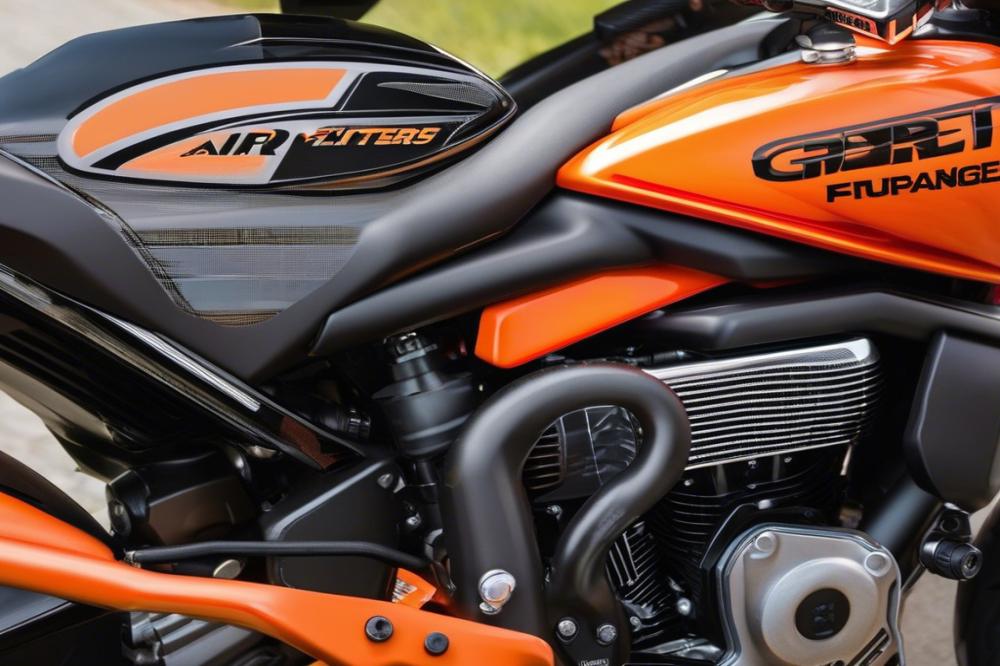
When it comes to keeping your motorcycle’s engine breathing right, understanding the various types of air filters is crucial. They serve as the lungs for your bike, ensuring it runs smoothly and efficiently. Let’s dive into the different options available, each with its own set of characteristics and benefits.
Paper Filters
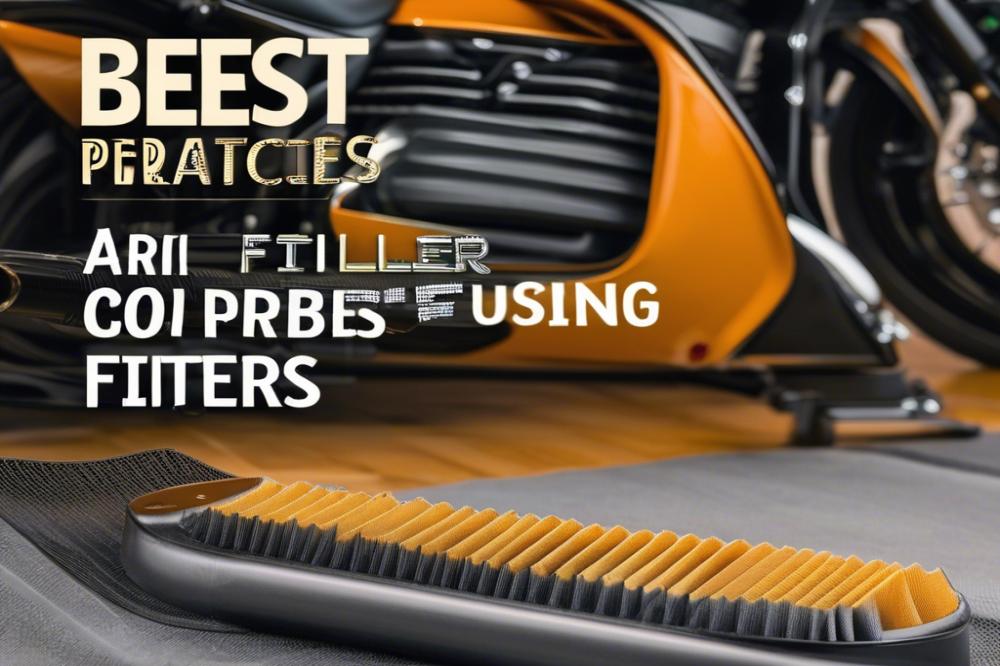
These filters are commonly used in motorcycles due to their affordability and efficiency. Usually constructed of pleated paper, they efficiently trap contaminants. However, paper filters are often single-use, meaning they’ll require replacement after a certain period. Although they’re easy to install, neglecting maintenance tips could lead to reduced performance. Think of them as the paper towel of filters—great for quick jobs but lacking durability.
Foam Filters
Foam filters are another option, known for their excellent airflow characteristics. Many riders appreciate their reusability. Constructed from layers of foam, they can be washed and re-oiled, making them a sustainable choice. They excel in off-road conditions, where dirt and debris accumulate quickly. However, keep in mind that regular cleaning is essential for optimum bike protection.
Cotton Filters
Cotton filters sit at the premium end of the spectrum. Their design involves multiple layers of cotton material that are oiled, allowing for superior filtration. This results in better airflow, which can enhance engine performance. Some products are reusable and last significantly longer than paper options. Nonetheless, it’s vital to follow proper maintenance strategies to keep them functioning at their best.
Reusable vs Non-Reusable Options
Deciding between reusable and non-reusable filters boils down to your maintenance habits and lifestyle. Reusable filters, typically made from foam or cotton, save money over time. They require regular cleaning, which might not be everyone’s cup of tea. On the other hand, non-reusable filters, like paper, offer convenience. Just pop in a new one, and you’re good to go! However, the air filters benefits seen from reusable options often outweigh this initial hassle. Ultimately, your choice will affect both your wallet and your bike’s longevity.
How Air Filters Work
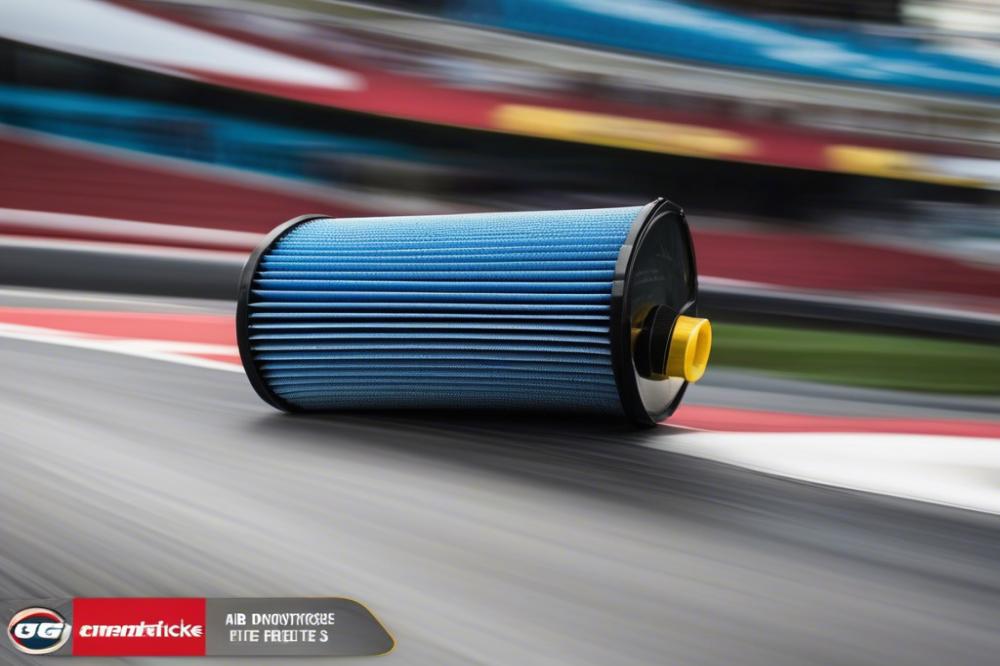
The air intake process in engines is fascinating. Fresh air flows into the engine, but it must pass through a filter first. This barrier traps dirt, dust, and other contaminants. When the intake is clean, combustion efficiency rises.
Engines thrive on optimal airflow. It’s a bit like a fine symphony where every instrument has its place. If air filters get clogged, performance stutters. An inefficient filter can disrupt this harmony, limiting horsepower and torque.
Let’s talk fuel efficiency. It’s often said that a clean filter is key to a happy engine. Better airflow translates into improved combustion. When an engine operates at peak efficiency, it doesn’t need to gobble up as much fuel.
Emissions are another consideration. Poorly maintained air intake systems can lead to excess pollutants. A clean filter helps keep harmful substances in check. So, when you think of motorcycle care, you can’t overlook this essential component.
Maintenance tips for these components include regular checks and timely replacements. Ignoring them can lead to costly repairs down the line. Treat your bike’s air filter like royalty; it deserves that level of protection. After all, an ounce of prevention is worth a pound of cure.
Don’t forget about the benefits of using high-quality filters. They often outperform standard options. Investing a little more today can save more in fuel costs tomorrow. Your bike — and the environment — will thank you.
Choosing the Right Air Filter
Factors to Consider When Selecting an Air Filter
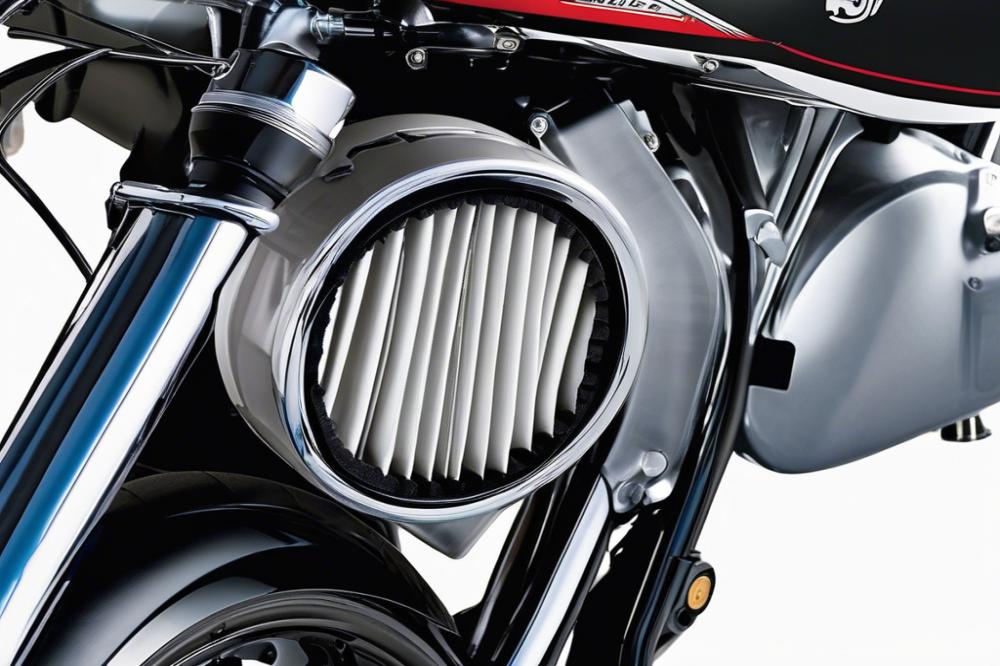
Riders often overlook the importance of selecting the suitable air filter. Understanding what fits your bike is crucial. Air filter compatibility with your motorcycle model can’t be ignored. Each bike has specific requirements, and using the wrong filter might result in reduced performance or even damage.
Riding style and conditions play a significant role, too. Frequent dirt road adventures require a different filter than smooth highway cruising. Think about your usual terrain. If you’re dodging dust clouds, a high-flow filter might be your best companion. Alternatively, if you mostly ride in urban environments, a standard filter suffices. Recognizing how you ride will guide your decision.
Now, let’s tackle the age-old debate: performance versus standard filters. Performance filters boast enhanced airflow and filtration. The result? Improved throttle response and engine efficiency. However, they often come with a higher price tag. On the flip side, standard filters are perfectly adequate for everyday use, plus they’re friendlier on the wallet. Motorcycle care doesn’t have to break the bank! When making this choice, weigh the air filters benefits against your expectations.
Maintenance tips shouldn’t be overlooked either. More efficient filters might require more frequent checking, whereas standard options can usually go longer between changes. Each option reflects a balance between performance needs and practicality.
In conclusion, carefully consider compatibility, riding habits, and desired performance. Your motorcycle deserves nothing less than the best protection and care!
Installation of Air Filters
Step-by-step guide on how to install air filters
Installing air filters might sound daunting, but it’s relatively straightforward. Start by turning off the engine. Next, locate the air filter compartment. Consult your motorcycle’s manual if you’re unsure. After that, remove the cover screws. Use a screwdriver to navigate this step. Set the screws aside for reattachment later. Pull out the old filter gently; it might be snug.
Now, inspect the compartment. Clean any debris that might have collected. A vacuum can be handy here. Then, unpack the new filter. Take a moment to compare it with the old one; they should match closely. Insert the new filter carefully, ensuring it fits securely. Finally, replace the cover and fasten it with the screws you set aside. Voila! You’re ready for a ride.
Common tools needed
Equipping yourself with the right tools makes the job a breeze. First, a screwdriver is essential for removing the air filter cover. A clean cloth can help wipe away any dust or grime. Consider having a vacuum handy too; it makes cleaning easier. Some might find it beneficial to have a torque wrench to ensure the screws are secured properly. Employing these tools will streamline your installation process effectively.
Safety precautions to take during installation
Safety should always top your list of priorities. Before beginning, wear gloves. They protect your hands from grime and potential injuries. Ensure your motorcycle is parked on level ground. This stability minimizes accidents while you work. Consider wearing safety glasses too; debris can fly unexpectedly.
Moreover, prevent the chance of electric shock by keeping the battery disconnected during installation. Be cautious of sharp edges within the air filter compartment. A moment of care can go a long way. Lastly, avoid performing this task while fatigued or distracted. Your focus will help ensure motorcycle care goes smoothly.
Maintenance of Air Filters
Regular Maintenance Tips
Routine upkeep of air filters is crucial for optimal performance. Checking filters every few months helps catch potential issues early. Replacing them based on usage or manufacturer recommendations is highly effective. Consider using a calendar reminder to keep you on track. This simple step can lead to significant air filters benefits, especially in highly polluted areas. Dust accumulation and debris can creak to a halt overall airflow.
Cleaning Procedures for Reusable Filters
Cleaning a reusable filter is straightforward. First, remove it from its housing. Imitate the act of wiping off dirt with a gentle brush or cloth. Rinse it under cool water until the filth is gone. Avoid using hot water or harsh chemicals that could damage the filter. Afterward, let it air dry completely before reinserting it. A little maintenance goes a long way in preserving performance. With proper motorcycle care, a filter can provide top-notch bike protection while saving money.
Signs That an Air Filter Needs Replacement
Like a seasoned mechanic, keep an eye on warning signs. Reduced airflow often indicates a clog. If you notice increased dust settling around your home, that’s another red flag. A change in air quality, such as odd smells or excessive allergens, should not be ignored. Additionally, look for visible damage, such as tears or darkened colors. Ignoring these signs is like driving a motorcycle with failing brakes—dangerous and ineffective. The timing for replacement can make a world of difference in functionality.
Benefits of Upgrading Air Filters
Advantages of Performance Air Filters
When considering air filters benefits, performance options stand out prominently. These filters are designed for optimal airflow, which translates to enhanced bike responsiveness. Riders often report a noticeable difference in the way their motorcycle accelerates. Increased air intake means that the engine can breathe better and operate more efficiently. Improved filtering capabilities also protect vital components from dirt and debris.
Improved Airflow and Engine Response
Upgrading your air filter can profoundly affect the way a bike behaves on the road. A better filter ensures that your engine receives a consistent stream of clean air. That influx boosts combustion efficiency. Riders frequently express satisfaction after making this modification. As a result, quick throttle response becomes the norm rather than the exception.
Potential Impact on Horsepower and Torque
While performance gains can be subtle, the right filter can make a discernible difference in horsepower and torque figures. Bikes may experience increased low-end torque, making everyday riding more enjoyable. This extra power can be particularly helpful during acceleration. Many enthusiasts find that a modest investment in maintenance tips yields significant returns in fun and performance. Overall, the right upgrades not only protect your ride but also invigorate the riding experience.
Common Myths About Air Filters
Debunking Misconceptions Surrounding Air Filters
We’ve all heard those tall tales about air filters that make them sound like magical devices. Some people believe that once a filter is installed, it never needs attention until it fails. This idea couldn’t be further from the truth. Regular maintenance is crucial to ensure optimal performance. Just like your motorcycle, a filter requires care to function effectively.
Another myth suggests that all filters perform the same. This is far from reality; not all products are created equal. Differences in design and material can significantly affect air quality and the air filters benefits. Opting for high-quality options can really pay off in the long run, especially when considering bike protection.
Clarifications on Filter Performance and Maintenance
Some assume that a clogged filter could be ignored without consequences. This notion is misleading. Ignoring a dirty filter can severely restrict airflow, causing the system to work harder and less efficiently. Think of it like running a marathon with a mouthful of cotton candy—your performance will tank.
Proper maintenance tips are vital for both longevity and efficiency. Change filters per the manufacturer’s recommendations. Keeping track of this can save you headaches down the road. If you’re unsure when to replace yours, pump the brakes and consult your manual. It’s better to be safe than sorry, especially when dealing with crucial components.
People often question the necessity of specialized filters. While standard options work, advanced filters can trap smaller particles, improving indoor air quality. If you’re serious about health and environment, investing in superior equipment is wise. Remember, improving your atmosphere can lead to a refreshing lifestyle—think of it as breathing new life into your home.
Motorcycle care isn’t just about oil changes and tire pressure. Taking proper care of the air filter plays a significant role. A well-maintained filter allows the engine to breathe freely, translating to better performance. Treat the filter right, and it will reward you with efficiency and reliability.
Don’t underestimate the impact of filter selection. Each type can have a specific role in your overall maintenance strategy. Some are engineered to tackle allergens, while others optimize air flow for performance. Do your homework. Understanding the purpose can lead you to the most suitable choice for your needs.
Expert Recommendations and Insights
Advice from Motorcycle Mechanics and Enthusiasts
When it comes to motorcycle care, listening to the experts can save you both time and money. Mechanics often emphasize the importance of regular air filter inspections. They recommend a thorough check every 5,000 miles. Clean air filters are essential for optimal engine performance. Neglected filters can hinder airflow, leading to reduced power and efficiency.
Some seasoned riders suggest avoiding cheap, off-brand filters. These can sometimes cause more harm than good, as they may not fit tightly, allowing dirt and debris to sneak in. Instead, consider trusted names that have made their mark in the industry. Recommendations often come down to performance and reliability.
Favorite Air Filter Brands and Products
Popular brands among enthusiasts include K&N, Twin Air, and Hi-Flow. K&N filters, known for their high-flow design, often receive rave reviews. They balance performance and longevity, making them a go-to choice for many. Riders appreciate that they can be washed and reused, which aligns with maintenance tips for eco-conscious bikers.
Twin Air specializes in filters that excel in off-road environments. Their design focuses on exceptional bike protection against harsh elements, which is crucial for rugged terrains. On the other hand, Hi-Flow filters cater to various models and deliver efficiency without breaking the bank. Affordability combined with quality is a significant factor for casual bikers.
For those who love a bit of adventure, investing in higher-quality air filters can make all the difference. A well-maintained filter enhances your bike’s overall performance and protects your engine over the long haul. Consider those small changes; they can yield impressive air filters benefits.
Remember, changing filters is often a small task that yields substantial rewards down the road. So, next time you think about maintenance, don’t skip this critical step. A clean filter can extend engine life and improve your ride immensely. Who doesn’t want a smoother, more responsive motorcycle?
Wrapping It Up
Maintaining air filters is essential for ensuring optimal motorcycle performance. Think of these components as the lungs of your bike; just like you wouldn’t forget to breathe clean air, it’s crucial for your vehicle to do the same. Regular checks, cleanings, and replacements go a long way in preventing costly engine damage and maintaining efficiency.
It’s easy to overlook the importance of this routine maintenance. After all, life can be hectic, but neglecting these checks is akin to ignoring a ticking clock. Poor air filtration can lead to sluggish performance, reduced fuel efficiency, and even catastrophic failures in more severe cases. It’s not just about maximizing your ride’s horsepower; it’s about protecting your investment and ensuring that joyride doesn’t turn into a frustrating repair shop visit.
As you pursue your passion for motorcycling, consider integrating air filter care into your regular maintenance schedule. This small step can make a big difference. Furthermore, if you’re exploring resources like The Ultimate Guide to Battery Chargers, remember that optimizing every aspect of your ride leads to a smoother and more enjoyable experience.
Ultimately, a little effort can ensure that your bike runs like a finely tuned instrument. It’s TRUE that these small components pack a punch. So, take the time to engage in this vital practice, and you’ll be rewarded with a bike that performs at its best, making the open road feel like your personal playground.
One could even say that proper maintenance is the secret ingredient to enjoying every twist and turn of your journey. By prioritizing air filter upkeep, you’re not just riding; you’re embarking on an adventure with peace of mind. So gear up, ride safe, and let the road unfold before you!