Explore the Thrill of Off-Road Adventure Motorcycling
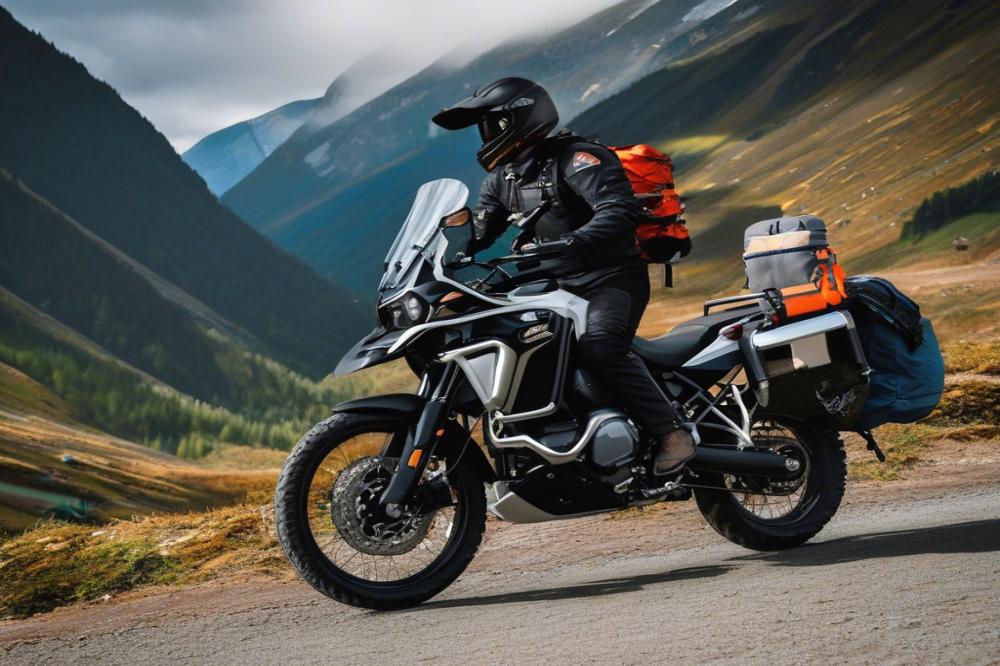
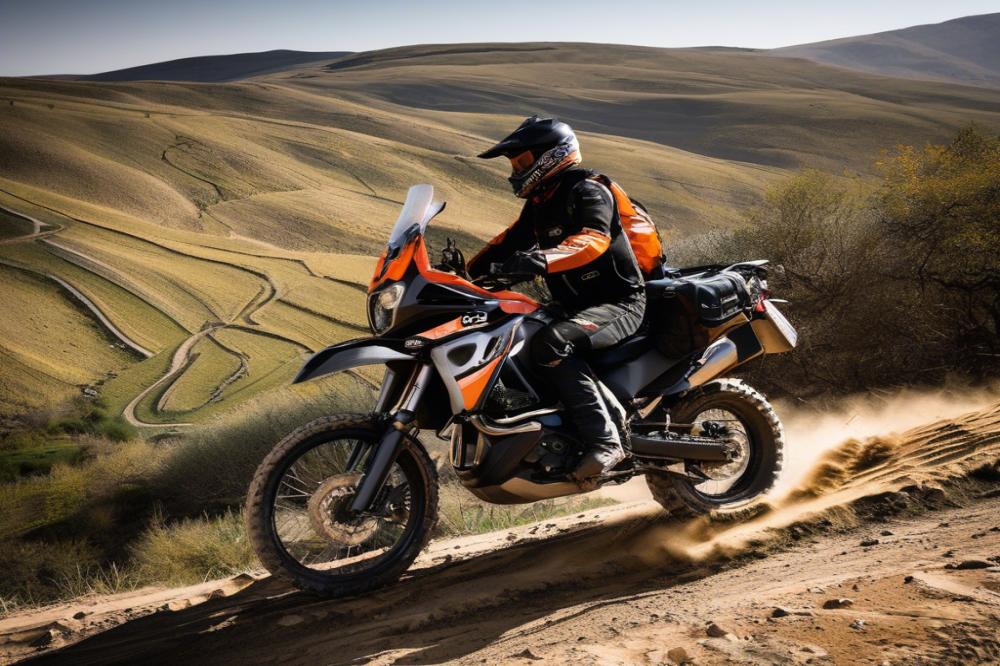
Off-road adventure motorcycling represents a thrilling intersection of freedom and exploration, where the asphalt ends and the wild begins. Each twist and turn of an unpaved path offers riders an unparalleled experience that transcends mere transportation. Motorcycle travel along rugged trails and through breathtaking landscapes is not just a pastime; it is a way to embrace the spirit of adventure. For many enthusiasts, the allure lies in the unknown, the desire to traverse landscapes less traveled.
However, embarking on such journeys requires more than a hearty spirit and a well-geared bike. It demands a comprehensive understanding of off-road adventure motorcycling tips that keep riders safe and enhance their experience. The importance of these guidelines cannot be overstated; neglecting them may lead to mishaps that could curtail an otherwise exhilarating ride. Imagine finding oneself lost in a vast wilderness without a clue as to where the next road might take you. That’s where best practices come into play. They become the compass that steers you away from danger and towards enjoyment.
Adventure riding shines brightest when every aspect, from preparation to execution, is carefully considered. Long-distance riding brings its own set of challenges, particularly when traversing unpredictable terrain. Factors such as weather, mechanical readiness of the motorcycle, and personal fitness levels can greatly impact the overall journey. These elements highlight the need for a proactive approach to planning. When you venture forth, armed with knowledge and strategy, you assure that every mile adds to the adventure.
While many may envision the off-road experience as exhilarating, there exists a subtle truth about the balance between thrill and responsibility. A seasoned rider will tell you that respecting nature and adhering to safety protocols ultimately enhances the journey. Remember the tale of the rider who ventured too far without proper gear and ended up with a broken bike in the middle of nowhere? Let that serve as a humorous reminder of what could be avoided with the right precautions. Ultimately, success in adventure riding hinges on more than just the quest for adrenaline; it involves being grounded in best practices.
Moreover, being equipped with proper navigation tools is essential. Investing in technology like Top-Rated Navigating with Motorcycle GPS can turn a daunting ordeal into a straightforward expedition. Having a reliable system at your disposal significantly reduces the chances of getting lost. Thankfully, in this day and age, even the most remote roads can be charted if you’re tech-savvy and prepared.
In summary, off-road adventure motorcycling offers a unique lifestyle filled with excitement and connection to the natural world. Prioritizing safety and understanding the nuances of this form of travel will transform every ride into an enriching experience. Remember, adventure is calling. Are you ready to answer?
Understanding Off-Road Terrain
Types of Terrains Commonly Encountered
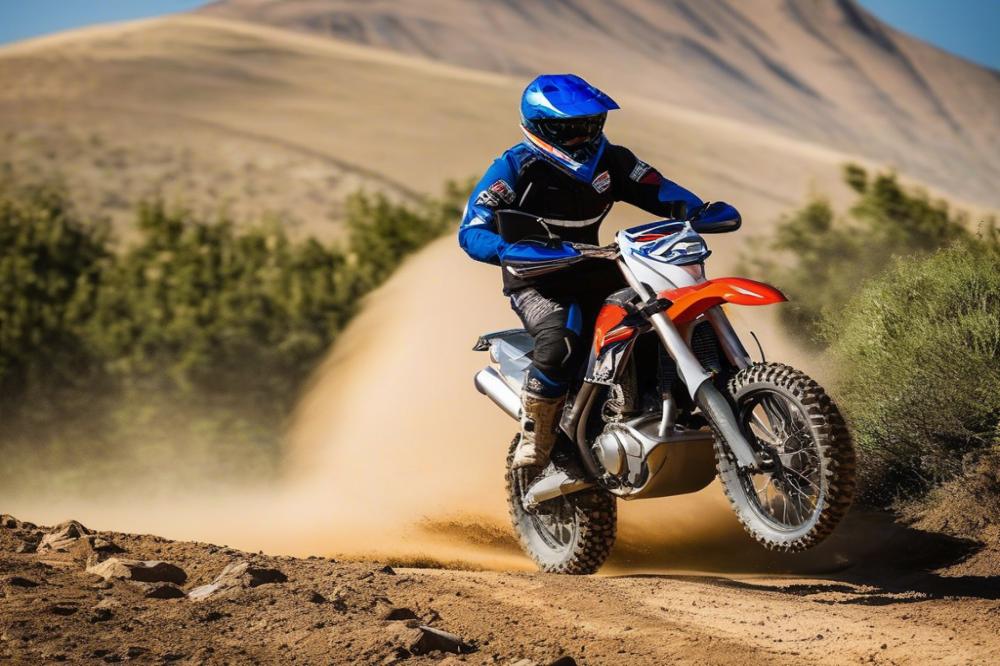
Explorers of the backcountry often face varied landscapes. Each type presents its own challenges. Think of sand dunes with their soft, shifting surfaces, or thick, sticky mud that seems determined to swallow everything in its path. Rocky trails can throw surprises too; boulders and loose stones require both precision and caution. These diverse forms of terrain can transform a pleasant ride into a test of skill and endurance. Adventure riding isn’t just about the destination; it’s about embracing what nature throws at you.
Characteristics of Different Surfaces
When gliding over sand, you may feel the bike float. Weight distribution becomes crucial as the rear tire tends to dig in. Keep steady throttle and avoid sudden shifts. Mud is a different beast, often demanding finesse. Staying upright requires a delicate balance. Engaging lower gears helps maintain control over slippery sections. Then there are rocks—these rugged foes demand a firm grip on the handlebars. The art of navigating rocky paths lies in choosing your line wisely. Precision here can mean the difference between glory and a face-full of dirt.
How Terrain Affects Riding Techniques
Shifting terrain necessitates a change in riding style. For instance, when barreling through sand, shifting your weight backward stabilizes the bike. Smooth throttle control is more important than raw power. Conversely, in muddy conditions, you might want to stand on the pegs. This technique helps absorb shock and increases maneuverability. Riding on rocks often requires standing up too. Doing so provides better control over the motorcycle and a clearer line of sight.
Unexpected terrain can lead to anxiety, particularly for those new to motorcycle travel. Recognizing that falls are part of the learning curve can ease this tension. Each ride, whether laden with obstacles or open trails, offers invaluable off-road adventure motorcycling tips that refine your skillset.
Awareness of these techniques will not only enhance performance but also significantly boost confidence. Remember, it’s not just about conquering the terrain; it’s a journey of learning and self-discovery along the way. Embrace every challenge because mastering each surface elevates long-distance riding into an art form.
Choosing the Right Motorcycle
Types of Motorcycles Suitable for Off-Road Adventure
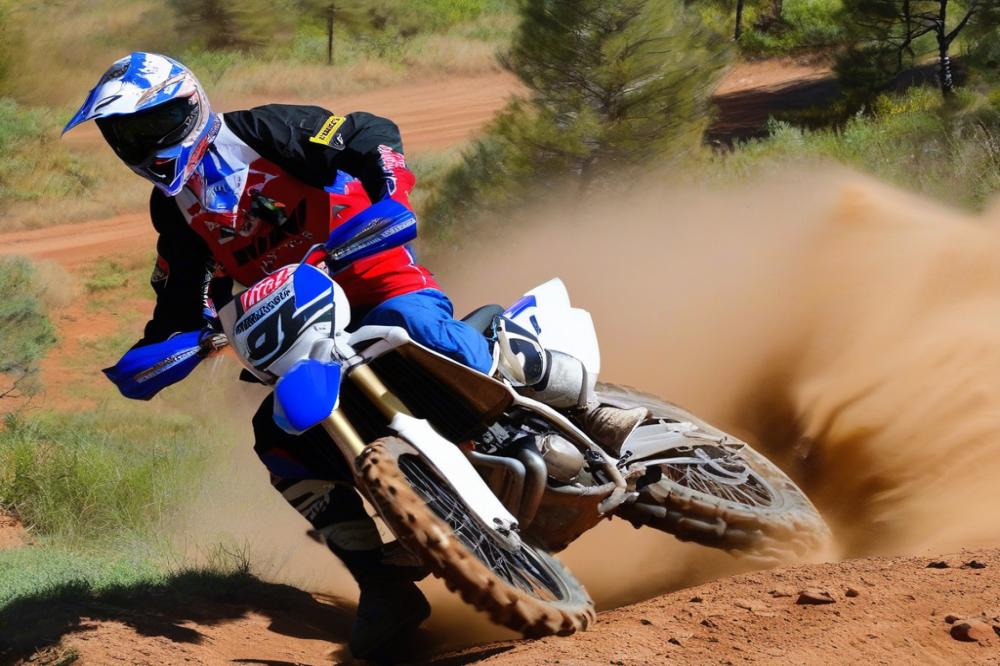
Selecting the correct bike for your journey is as crucial as picking the right trail. Adventure motorcycles, dual-sport bikes, and dirt bikes are popular choices among enthusiasts. Adventure motorcycles often blend on-road comfort with off-road capability. They typically have larger fuel tanks and windshields, making them ideal for longer trips. Dual-sport bikes offer a versatile option, excelling in both terrains while remaining lightweight. A dirt bike might be your go-to for serious off-road challenges, but they lack the features necessary for long-distance riding. Knowing the terrain you’ll encounter helps narrow your options. Whether you prefer rocky paths or smooth trails, the right motorcycle can enhance the experience significantly.
Key Features to Look for in an Off-Road Motorcycle
When embarking on bike adventures, several features warrant attention. Suspension plays a vital role; an adjustable system provides both flexibility and security on uneven ground. Tire selection cannot be overlooked either. Knobby tires excel in gripping loose surfaces, while a tubeless system can be invaluable if you find yourself in a pinch. Be sure to assess the seat height; a comfortable, accessible seat drastically improves control. Engine displacement varies widely across models, affecting power output and torque. A broader range of gears can help navigate various terrains. The right features create a motorcycle that responds intuitively to your every command.
Balancing Comfort, Power, and Weight
Comfort isn’t just a luxury; it’s a necessity for effective adventure riding. A well-cushioned seat will make the long mileage less of a chore. However, too much padding can affect the feel of the bike, making it harder to maneuver. Finding the sweet spot is essential. Weight also plays a significant role in off-road capabilities. Lighter motorcycles are generally easier to handle, but more power is often found in heavier models. Striking a balance is the goal. You might feel tempted to prioritize power; remember, the bike should also allow for fun exploration without being cumbersome. Think of it like cooking; the right ingredients combined in the right proportions yield the best flavor.
It’s easy to get lost in features and specs, but ultimately, the best motorcycle complements your riding style. Researching extensively and even taking a few models for a spin will help clarify what feels right. After all, off-road adventure motorcycling should be about thrill, freedom, and that exhilarating sense of possibility.
Essential Gear and Equipment
Protective Riding Gear and Its Importance
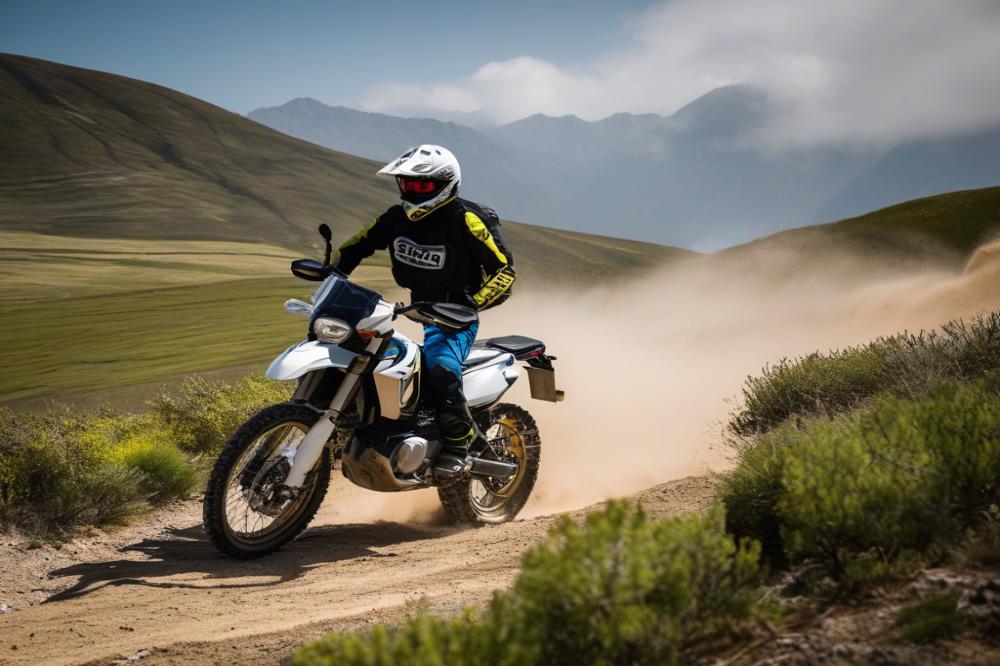
The importance of protective riding gear cannot be overstated. It serves as a vital shield between you and the unforgiving terrain. A quality helmet, for example, could mean the difference between a minor bump and a life-altering injury. Additionally, armored jackets and pants protect vital organs and limbs from scrapes and abrasions. When you’re deep into the wilderness, your body may take unexpected tumbles.
Boots designed for adventure riding offer ankle support and grip on slippery surfaces. Without them, your feet become safety hazards. Gloves that provide dexterity and grip are as essential as any other piece of gear. You might think of them as the unsung heroes of motorcycling safety. Each layer of protection contributes to your confidence on the bike, allowing you to tackle challenging terrains with greater ease.
Navigation Tools and Technology for Off-Road Adventures
Navigating through uncharted territories demands more than just instinct. A reliable GPS unit specifically designed for motorcycle travel can be a lifesaver. These devices can help avoid getting lost and direct riders around obstacles or impassable paths. Mobile apps also offer similar functionalities, allowing for versatility and ease of use.
On the flip side, carrying a physical map may seem old-fashioned, yet it offers advantages. Battery failures happen; keeping a hard copy in your gear can prevent unnecessary backtracking. Topographic maps can give valuable insights into elevation changes, which is useful when planning routes for long-distance riding. Whichever method you choose, familiarity with navigation tools is key to a smooth journey.
Maintenance Tools and Repair Kits
You can’t always predict mechanical failures on the trail. Packing a robust maintenance toolkit could save your trip from turning into a long walk home. Basic tools like wrenches, screwdrivers, and pliers are must-haves. Some tools enable tire repairs, which can mean the world when you’re miles from civilization.
Including a first-aid kit is crucial, even if you’re mainly focused on the mechanical aspect. While it may not fix your bike, it ensures you can handle minor injuries. Additionally, spare parts like tubes or fuses can prevent small issues from escalating. Planning ahead with a decent repair kit allows you to venture boldly into challenging landscapes, knowing you have the essentials covered.
Riding Techniques for Off-Road Conditions
Basic Off-Road Riding Techniques
Motorcycle travel across rugged terrain requires more than just a bold spirit. Proper throttle control plays a crucial role in maintaining stability. Gradual acceleration helps ease your bike over obstacles rather than launching it off. Each twist of the grip should be deliberate, especially when navigating loose surfaces. You’ll want to anticipate, rather than react, to changes in the terrain. The key here resembles a dance with the ground.
Balance is a rider’s best friend. Keeping your weight centered can significantly enhance your control. Instead of gripping the handlebars tightly, maintain a light touch to absorb shocks from the road. Flexibility in the joints allows for smoother transitions over bumpy paths. Sometimes, letting the bike move beneath you can yield surprising results.
Body Positioning and Balance
The stance you adopt while riding can be a game changer. When approaching steep inclines, shift your body forward. This motion helps gravity do its work without risking a flip. Conversely, descending requires shifting your weight back. Imagine a seesaw; your positioning controls the balance.
Standing up on the pegs increases your ability to shift your center of gravity. This action empowers better control during unexpected challenges. Lean with the bike rather than against it. Particularly in sandy or muddy conditions, allowing the motorcycle to find its own path will prevent it from getting stuck more often than not.
Tips for Handling Obstacles and Difficult Terrain
Obstacles will arise, often when least expected. When you encounter rocks or logs, focus on the gap rather than the object. Your eyes should always be looking ahead. This practice enables fluid motion and can prevent last-minute emergencies.
Each terrain presents its own difficulties. In mud, spinning your wheels can become futile. Instead, find where the tire can grab hold and steer gently. Ruts can become a trap if approached carelessly. When navigating through them, keep the throttle steady and maintain a consistent speed.
Lastly, remember that off-road adventure motorcycling doesn’t have to mean tackling everything alone. When riding with others, communicate clearly about obstacles ahead. Sometimes a simple wave can indicate a challenge. Riding together can transform into a supportive and enjoyable experience. So gear up, keep these tips in mind, and embrace the bumps along the way.
Safety Precautions
Importance of Safety Gear and Helmet Standards
When it comes to off-road adventure motorcycling, gear is non-negotiable. A reliable helmet acts as your primary line of defense. Look for helmets that meet DOT or SNELL standards; these ratings guarantee a minimum safety level. Boots, gloves, and padded jackets bolster protection against the possible scrapes and spills that come with the territory. Sometimes, it feels like a fashion statement, but it’s a life-saving investment. A sturdy set of riding pants, especially those with impact protection, can make a world of difference when the terrain turns rocky.
Other items like knee guards, neck braces, and armored vests may seem superfluous, yet they dramatically improve safety. Remember, it’s not just about looking the part; it’s about being fully equipped for motorcycle travel. Each piece of gear complements the next, creating a protective barrier between you and the unpredictable trails. Comfort plays a role, too. An uncomfortable fit can distract you from enjoying the ride, and we wouldn’t want that.
Riding in a Group vs. Solo Riding
Riding in a group can be a hoot. There’s camaraderie in numbers, after all. A buddy system allows for shared experiences and, importantly, shared guidance through tricky trails. Should something go wrong, you have immediate help. However, it’s essential to maintain clear communication among group members. Establishing hand signals offers a seamless way to convey messages without stopping every five minutes.
Solo riding, while exhilarating, requires you to wear many hats, including the hero. Navigating unfamiliar terrain alone can be daunting. It’s crucial to know your capabilities and prepare accordingly. Sometimes, solitude offers an unmatched sense of freedom and exploration, but don’t forget about safety. Whether you choose to ride solo or in a group, planning routes ahead can help mitigate risks and determine checkpoints.
Emergency Preparedness and First Aid
Unexpected situations are part of adventure riding. Having a well-stocked first aid kit on hand is a must. Band-aids, antiseptic wipes, and pain relievers are your friends when dealing with minor injuries. For serious incidents, knowing how to administer basic first aid can be life-saving. A few hours of training can arm you with knowledge that could make all the difference.
Consider roadside breakdowns, too. It’s wise to carry essential tools such as tire levers and a patch kit. A portable air compressor is another gem for long-distance riding. Waiting around for help can turn a minor inconvenience into a major headache. If you find yourself stranded, being prepared with a reliable communication device can offer some peace of mind. Always inform someone of your route and expected return time; it adds a layer of security.
Engagement in your surroundings is vital. Take a moment to admire the landscape, but keep your wits about you. Anticipate potential hazards like wildlife crossings or unexpected terrain shifts. Those who plan for the “what ifs” are often the ones who return with tales of adventure rather than misadventure. A little foresight can transform a day on the trails into an unforgettable escapade.
Planning Your Adventure
How to Choose the Right Route
Choosing the right path for your motorcycle travel is crucial. Many riders overlook the importance of route selection. Terrain, weather, and personal skill level all come into play. Maps, both digital and paper, can be invaluable. You don’t want to find yourself lost in a remote area with no cell service and a dead GPS. Personal experience varies, so consider asking fellow riders for recommendations. Group rides or social media forums can provide insightful feedback.
Long-distance riding demands thorough preparation. Scenic byways might seem enticing, but some may also be filled with unexpected challenges. Adventure riding often means navigating rugged trails. Don’t forget to factor in rest spots and fuel stations. A well-planned trip includes knowledge about your refueling options. It’s always wise to layer in a few alternative routes for good measure.
Researching and Understanding Local Laws and Regulations
Compliance with local laws is not just a suggestion; it’s essential. Riding in a new area without knowing the rules can lead to unforeseen consequences. Each region has unique regulations regarding off-road riding. Research beforehand to avoid hefty fines or worse. Checking with local authorities or organizations can provide clarity.
Certain trails might require permits or have restrictions about motorcycle types. Understanding how speed limits or noise ordinances apply to your adventures can save you a headache down the road. Whenever you travel, respect the land and its inhabitants. Remember, local communities appreciate responsible riders. Engage with them, and often, they will share hidden gems only a local would know.
Creating a Contingency Plan
No adventure is complete without a backup plan. Life is unpredictable, especially when you’re hundreds of miles from home. Breakdowns, poor weather, or even accidents can throw a wrench into your plans. Prepare for the unexpected by packing essential tools and parts.
Selecting an emergency contact who knows where you are can be a lifesaver. Share your itinerary with someone, whether it’s a friend or family member. That way, they can monitor your progress and alert someone if you aren’t back on schedule. Additionally, consider knowing basic first-aid techniques. They might come in handy, transforming a stressful situation into a manageable one.
With these off-road adventure motorcycling tips, you can experience thrill and peace of mind. Adventure calls, and being well-prepared amplifies the joy of exploration!
Environmental Responsibility
Leave No Trace Principles
Off-road adventures can be exhilarating, but they come with a responsibility to protect our natural playgrounds. Embracing the Leave No Trace principles is essential for every rider. These guidelines advocate for minimal impact. Pack out what you pack in. This includes all rubbish, if you can toss it in your bag, carry it back home. It’s simple yet effective. Keeping the environment pristine will prolong its beauty for future riders.
Riders should stick to established trails. Venturing off-path, while tempting, can harm delicate ecosystems. Even a tire’s imprint can disrupt soil and plant life. Respecting the land is the cornerstone of sustainable adventure riding. The sights and sounds of nature are best enjoyed where they thrive in peace.
Wildlife Considerations and Respect for Natural Habitats
Awareness of local wildlife indicates environmental respect. Animals have habitats that need safeguarding. Spotting a deer or a hawk on your journey can be thrilling, but it’s crucial to keep your distance. Approaching wildlife can be disruptive. Those majestic creatures deserve a space where they can roam freely.
Roadside encounters are common. Slow down and appreciate the scenery without intruding. Even seemingly harmless actions, such as feeding animals, can cause dependency and disrupt feeding patterns. Wildlife may become too comfortable with humans, leading to unfortunate conflicts. Always let nature be the main event.
Sustainable Riding Practices
Adventure riding offers a chance to connect with the great outdoors. Practicing sustainability is paramount. Opt for eco-friendly gear whenever possible. Motorcycles that meet emissions standards help minimize air pollution. Additionally, simple mechanics maintenance can improve fuel efficiency.
Long-distance riding can be rewarding, but choose your routes wisely. Some trails have been designated as environmentally sensitive. Respect road signs that indicate closed paths. This not only preserves the environment but enhances your experience as well. Riders can still discover breathtaking views without straying into protected areas.
Motorcycle travel should encourage preservation. Think of it as stewardship more than mere recreation. When you help protect the trails, you’re supporting the same thrill-seeking adventures for those who follow. It’s like passing down an heirloom. Keep it valuable and intact, for those who will cherish it just as much as you do.
Building Community and Resources
Joining Off-Road Adventure Motorcycle Groups
Being part of a community can significantly enhance the experience of off-road travel. Groups focused on adventure riding offer camaraderie and support. Find local chapters or clubs that align with your interests. Meeting like-minded riders fosters bonds that often extend beyond just sharing the trails. Participate in group rides to discover new paths and techniques. These gatherings also provide an opportunity to exchange off-road adventure motorcycling tips and tricks. A simple chat over coffee can lead to invaluable advice on gear or routes.
Utilizing Online Forums and Resources
The internet is a treasure trove of knowledge for the adventurous soul. Many online forums cater to motorcycle travel enthusiasts, packed with discussions, tips, and personal stories. Engaging in these communities can help you learn about new trails and even discover hidden gems. Not to mention, reading through experiences from fellow riders offers firsthand insight into what sectors of a journey could become challenging. Networking through platforms like Facebook or Reddit can also connect you with riders worldwide, ensuring a rich exchange of ideas. Blogs and vlogs often share gear recommendations and riding strategies, so take the time to explore these avenues.
Events and Meet-Ups for Enthusiasts
Mark your calendar for adventure riding events! Various gatherings occur throughout the year, attracting riders from all backgrounds. Attend rallies or festivals dedicated to motorcycles, as these are perfect for meeting others who share your passion. Workshops at these events can enhance skills and improve safety knowledge for long-distance riding. There’s also something electric about sharing a campfire with other enthusiasts. You might swap epic tales or exchange maps of favorite trails. Don’t underestimate the power of connection; sometimes, the best riding buddies are just a chat away at an event.
Embarking on a Journey of Discovery
Reflecting on our exploration of off-road adventure motorcycling, it becomes clear that best practices are not simply a set of rules to be followed; they serve as the essential ingredients for a remarkable experience. Familiarity with your equipment, maintaining regular inspections, and fully embracing appropriate riding techniques stand out as cornerstones of successful off-road escapades. Investing time in understanding your motorcycle’s capabilities transforms these rugged trails from intimidating obstacles into exhilarating pathways. Remember, practice makes perfect, just as a bridge connects one side of a river to another.
While the thrill of navigating through challenging terrains is undeniable, safety measures should always take the front seat. Riding with a buddy not only enhances joy but also adds a safety cushion. Should you encounter those unanticipated bumps in the road—figuratively and literally—having a companion can make all the difference. No need to face unforeseen challenges alone; two heads are certainly better than one. Additionally, absorbing local regulations and respecting natural areas aids in preserving the beauty of these trails for future adventurers.
Why It’s Important to Plan Finding the Best Campsites for Motorcyclists cannot be overstated. Thoughtful preparation allows you to discover hidden gems, ensuring a delightful day’s ride culminates in a picturesque evening by the campfire. Moreover, leaving no trace of your visit not only honors the environment but also guarantees that others can enjoy these breathtaking landscapes just as you did. We must become stewards of the terrain we traverse, fostering harmony between our love for motorcycling and nature’s quiet beauty.
Ultimately, embarking on these journeys reveals more than just nostalgia. It cultivates camaraderie with fellow riders, offers a taste of adventure, and reminds us to navigate life with intention. Each twist in the trail leads to stories worth telling, and in these tales lies a collective wisdom traded among enthusiasts of the open road. So as you gear up for your next off-road venture, carry with you not only your motorcycle but also a spirit of adventure and responsibility.
TRUE adventures beckon those who embrace the unexpected. Whether through breathtaking views, newfound friendships, or the satisfaction of conquering a technical trail, every moment spent riding enriches the soul. So, take the plunge, gear up, and let the open road guide you towards experiences that will linger in your memory long after the engine has cooled. Happy riding!